







What's Happening?
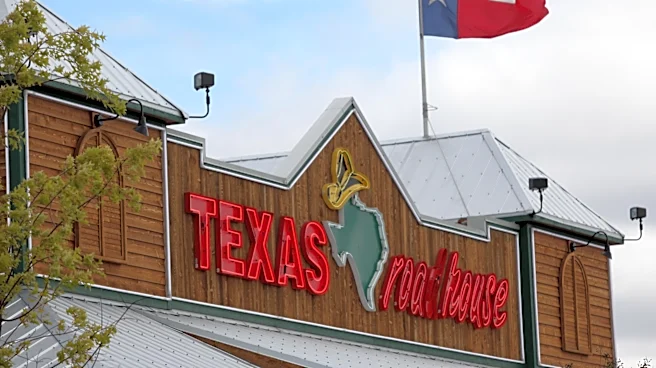
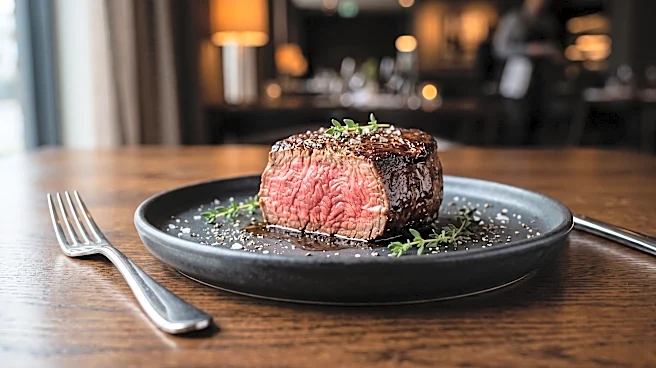
A customer in Forsyth, Illinois, Kenneth Card, has publicly accused a local Texas Roadhouse of repeatedly serving him a cheaper cut of steak instead of the filet mignon he ordered. According to a TikTok post by Card, who has a background as a former kitchen
cook, he noticed a texture difference in the meat during his weekly visits. He claims this substitution occurred on three separate occasions. The first time, staff reportedly corrected the order. The second time, he consumed the steak without complaint. On the third instance, Card escalated the issue to a manager, stating, "Look, this is the third time that y'all tried to sell me a sirloin or whatever else kind of steak it is besides a filet." Staff then took the steak to the kitchen and confirmed it was not the ordered filet. Card received a replacement meal, which he took to-go. A Texas Roadhouse spokesperson acknowledged seeing the video and investigating the claims, confirming one mix-up that management "quickly made it right." However, the company stated they could not track that the mistake happened on three different occasions, asserting that team members double-check orders for quality and accuracy.
Why It's Important?
This incident highlights potential issues in food service accuracy and customer trust within the restaurant industry. For Texas Roadhouse, a national chain, such allegations, especially when publicized on social media platforms like TikTok, can impact brand reputation and consumer confidence. Customers expect to receive the specific product they order, particularly when it involves premium items like filet mignon. If consumers perceive that restaurants are intentionally or repeatedly substituting ingredients, it could lead to a decline in customer loyalty and patronage. For the broader restaurant sector, this situation underscores the importance of consistent quality control, accurate order fulfillment, and effective customer service in resolving complaints. The power of social media in amplifying individual customer experiences, both positive and negative, also demonstrates its significant influence on public perception and business operations.
What's Next?
Kenneth Card has stated he is "done" visiting his local Texas Roadhouse and plans to "try somewhere else," indicating a loss of a repeat customer for that specific location. For Texas Roadhouse, the immediate next steps would likely involve reinforcing internal protocols for order accuracy and quality checks, particularly for high-value menu items. They may also need to address any potential training gaps with kitchen and front-of-house staff to prevent similar incidents. The company will likely monitor social media for further reactions and may consider issuing a more detailed public statement if the issue gains wider traction. Other consumers who frequent the restaurant might become more vigilant about verifying their orders, potentially leading to increased scrutiny of food quality and accuracy across the industry. The incident could also prompt other restaurant chains to review their own quality assurance processes to mitigate similar risks.
Beyond the Headlines
This event touches upon broader themes of consumer rights and the evolving landscape of customer feedback in the digital age. The ability of an individual customer to share their experience on platforms like TikTok and gain significant public attention demonstrates a shift in power dynamics between consumers and corporations. It raises questions about transparency in food service and the ethical implications of potential ingredient substitutions. While Texas Roadhouse acknowledged one error, the customer's claim of repeated occurrences points to a deeper issue of trust and consistency. This scenario also highlights the economic aspect of perceived value; customers paying for a premium product expect to receive it, and any deviation can be seen as a form of economic deception. The incident could contribute to a broader consumer trend of increased skepticism and a greater demand for accountability from food establishments, pushing for more rigorous standards in menu accuracy and ingredient integrity.