






What's Happening?
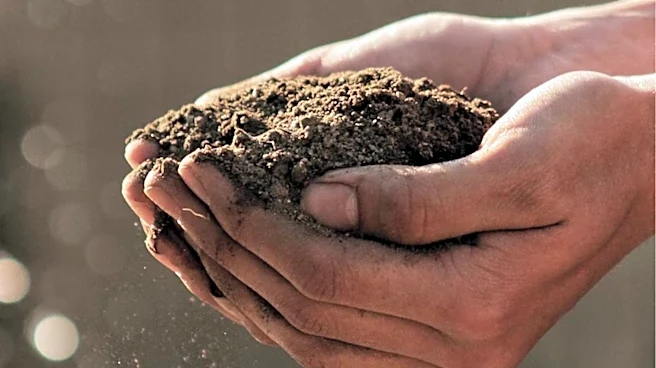
Greene Crop Consulting is offering TruBio™ testing from EarthOptics to provide farmers with a more in-depth understanding of their soil's biological composition after harvest. This new testing method goes beyond traditional soil analysis, which typically
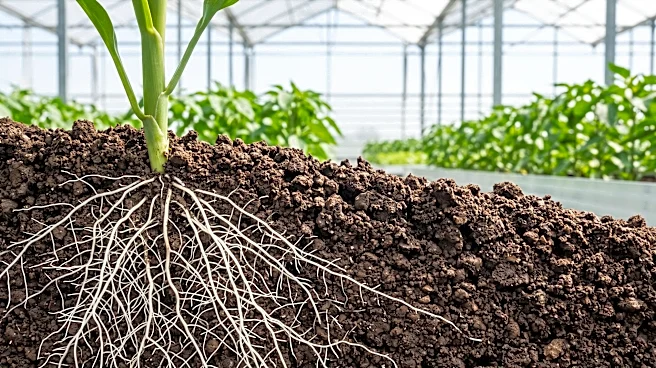
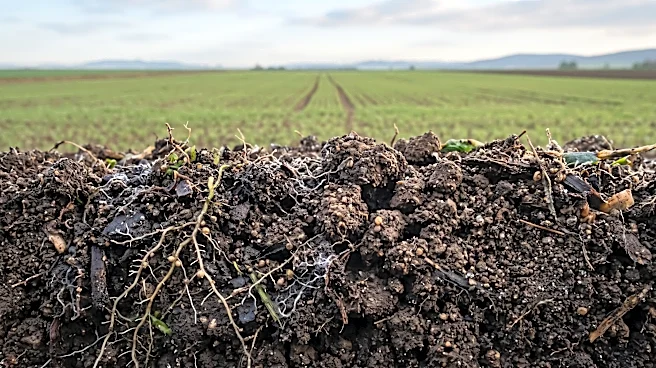
focuses on fertility and chemistry, by examining the biological aspects of the soil. TruBio™ is designed to identify soil-borne pests and pathogens, assess the risk of foliar diseases, and measure key biofertility indicators. By integrating this biological data with conventional soil test results, field history, and yield data, growers can gain a more comprehensive picture of the factors influencing crop performance. This initiative aims to help farmers make more informed decisions for the upcoming growing season.
Why It's Important?
The introduction of TruBio™ testing by Greene Crop Consulting signifies a growing recognition within the agricultural sector of the critical role soil biology plays in crop health and yield. Traditional soil testing, while valuable, often overlooks the complex microbial ecosystems that contribute to nutrient cycling, disease suppression, and overall soil resilience. By providing insights into pests, pathogens, and biofertility, TruBio™ can empower U.S. farmers to adopt more targeted and sustainable agricultural practices. This could lead to reduced reliance on chemical inputs, improved crop vigor, and potentially higher yields, benefiting both the environment and the economic viability of farming operations. Understanding soil biology is crucial for long-term soil health and sustainable food production.
What's Next?
Farmers utilizing Greene Crop Consulting's services will now have the option to incorporate TruBio™ testing into their post-harvest analysis. This will allow them to identify specific biological challenges or opportunities within their fields. The insights gained from TruBio™ are expected to inform decisions regarding cover cropping strategies, pest and disease management plans, and nutrient applications for the next growing season. The integration of this advanced biological data with existing agricultural practices could lead to the development of more precise and effective farm management strategies, potentially influencing seed selection and cultivation techniques. The success of this program could also encourage wider adoption of biological soil testing across the U.S. agricultural industry.
Beyond the Headlines
The shift towards understanding and managing soil biology, as exemplified by TruBio™ testing, represents a broader paradigm change in agriculture. It moves beyond a purely chemical-centric approach to one that acknowledges the intricate ecological balance within the soil. This deeper understanding has ethical implications, promoting stewardship of natural resources and reducing the environmental footprint of farming. Culturally, it fosters a more holistic view of agriculture, where farmers are seen not just as producers but as ecosystem managers. In the long term, widespread adoption of such biological testing could lead to more resilient agricultural systems, better adaptation to climate change, and a healthier food supply, fundamentally altering how food is grown and managed in the U.S.