







What's Happening?
A new design philosophy, 'warm minimalism,' is gaining traction in U.S. homes, evolving from traditional minimalism to incorporate more texture, personality, and comfort. This approach moves away from the stark, impersonal aesthetic often associated with
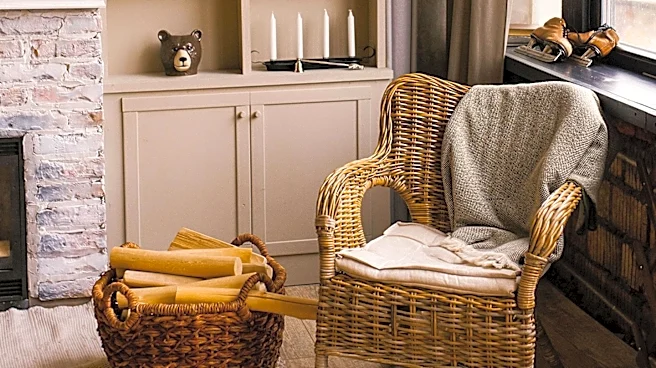
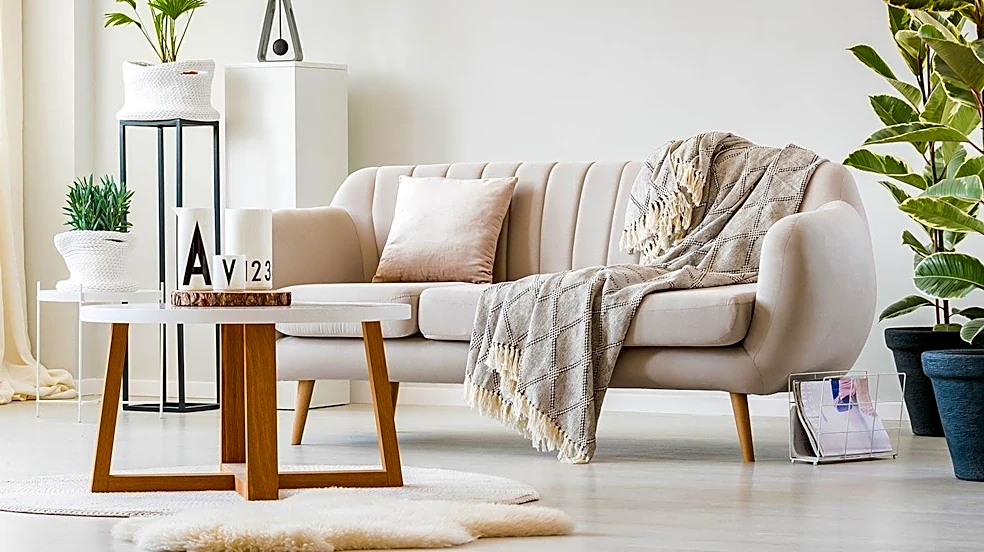
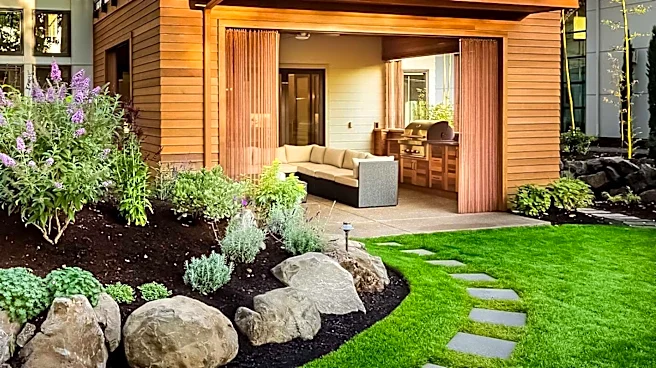
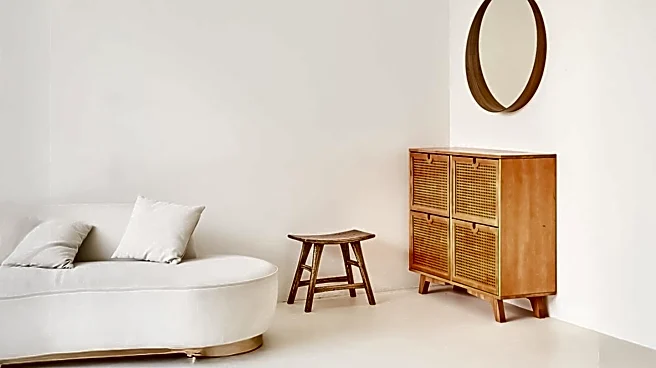
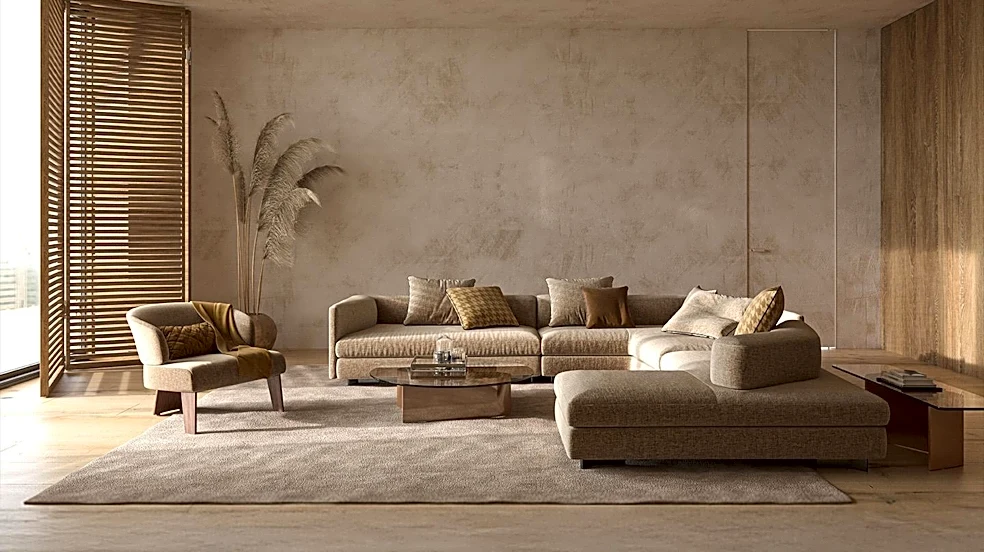
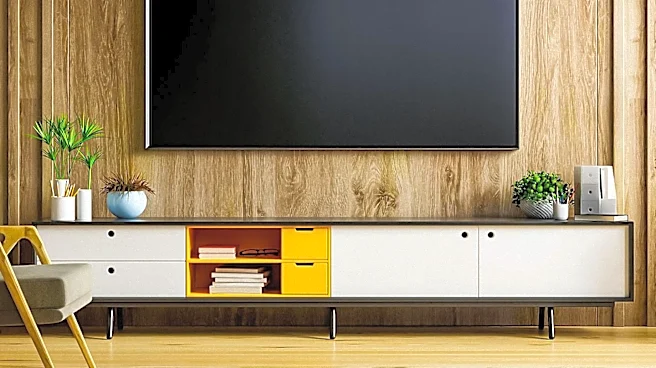
classic minimalism, while still maintaining a sense of spatial discipline and uncluttered interiors. Designers and homeowners are increasingly seeking spaces that feel lived-in and inviting, rather than perfectly staged and sterile. Key characteristics of warm minimalism include the use of warm-toned wood, limewashed walls, natural stone surfaces, and furniture that prioritizes comfort and functionality. The trend reflects a desire for homes that are both aesthetically pleasing and genuinely comfortable to inhabit, accommodating the realities of daily life rather than demanding constant tidiness. This shift is evident in the intentional display of personal items and the integration of natural materials that develop character over time, creating spaces that feel authentic and reflective of their occupants.
Why It's Important?
The rise of warm minimalism signifies a broader cultural shift in how Americans perceive and interact with their living spaces. It challenges the often-unrealistic expectations set by traditional minimalist aesthetics, which can lead to stress and a feeling of detachment from one's home. This evolution in design is important because it promotes a more human-centric approach to interior design, prioritizing well-being and comfort alongside visual appeal. For the U.S. interior design and home furnishings industries, this trend means a greater demand for natural materials, textured fabrics, and furniture that balances form with function. Businesses in these sectors may need to adapt their offerings to cater to consumers seeking warmer color palettes, sustainable materials, and designs that allow for personal expression without sacrificing order. This movement also highlights a growing consumer preference for authenticity and longevity in design, moving away from fleeting trends towards more enduring and adaptable home environments.
What's Next?
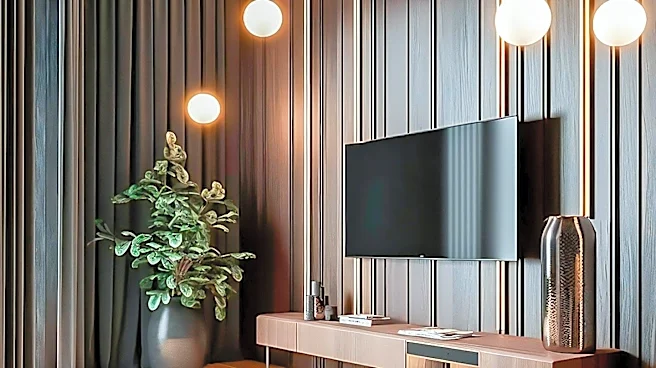
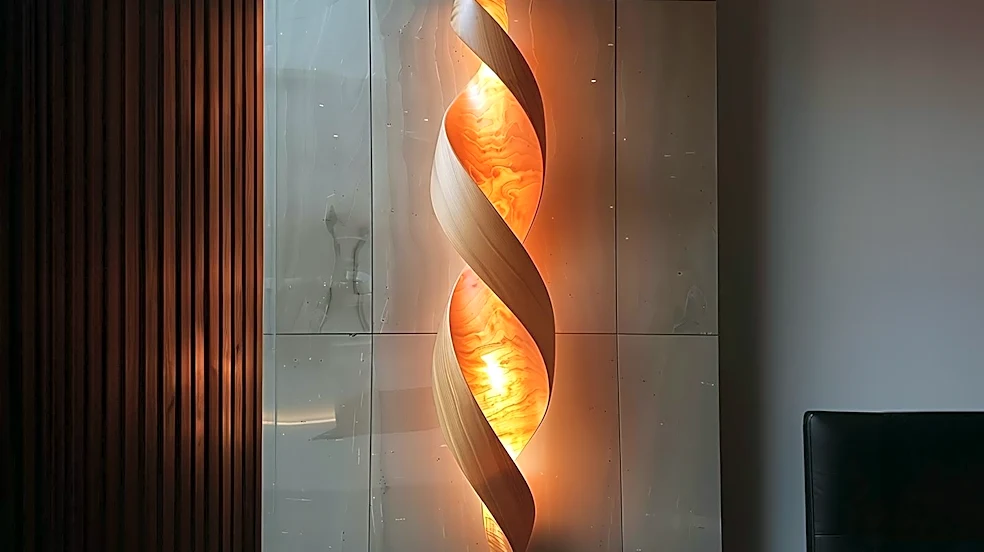
As warm minimalism continues to gain popularity, interior designers and architects are likely to further integrate its principles into their projects, focusing on creating spaces that are both serene and deeply personal. We can expect to see an increased emphasis on bespoke solutions that allow homeowners to showcase cherished items intentionally, rather than hiding them away. The demand for natural and sustainable materials like wood, stone, and textured fabrics is projected to grow, influencing manufacturing and supply chains in the home goods sector. Lighting design will also play a more prominent role, with a preference for warm white lighting and concealed fixtures to enhance comfort and reduce visual clutter. Furthermore, the concept of 'easy maintenance' will become a key selling point for home designs, as consumers seek solutions that reduce the burden of upkeep. This trend suggests a future where home design is less about rigid adherence to a style and more about creating adaptable, comfortable, and authentic living environments that evolve with their inhabitants.
Beyond the Headlines
Beyond its aesthetic appeal, warm minimalism reflects a deeper societal response to modern-day overload and the constant pressure to maintain a perfect image. In an era dominated by digital perfection and curated online personas, this design philosophy offers a counter-narrative, advocating for spaces that embrace imperfection and the lived experience. It touches upon the psychological need for refuge and comfort in one's home, moving beyond superficial appearances to foster genuine well-being. The emphasis on intentionality—choosing what to display and how—encourages a more mindful consumption and a deeper connection to one's belongings. This shift could lead to a re-evaluation of consumer values, prioritizing quality, sustainability, and personal significance over sheer quantity or transient trends. Ultimately, warm minimalism suggests a broader cultural movement towards authenticity, comfort, and a more balanced approach to living, where homes are not just showpieces but true sanctuaries that support and reflect the lives within them.