







What's Happening?
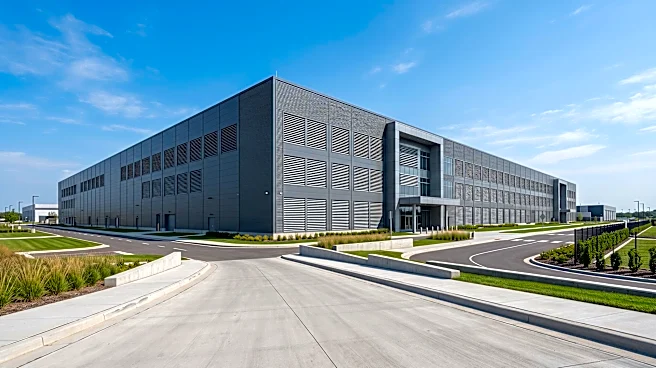
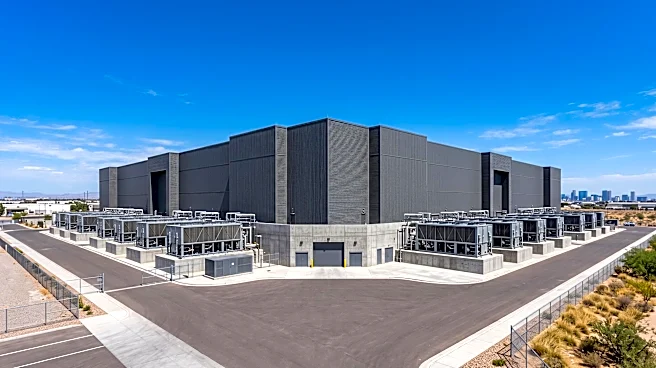
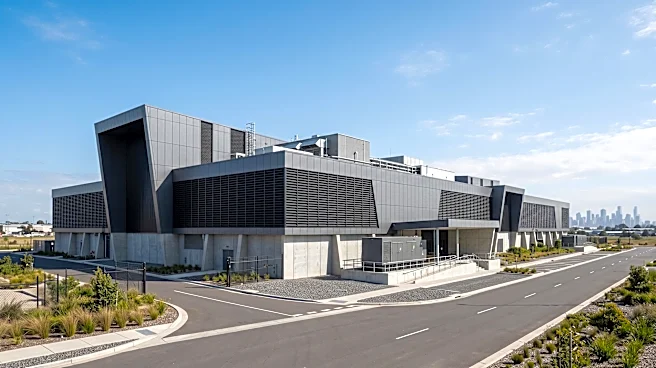
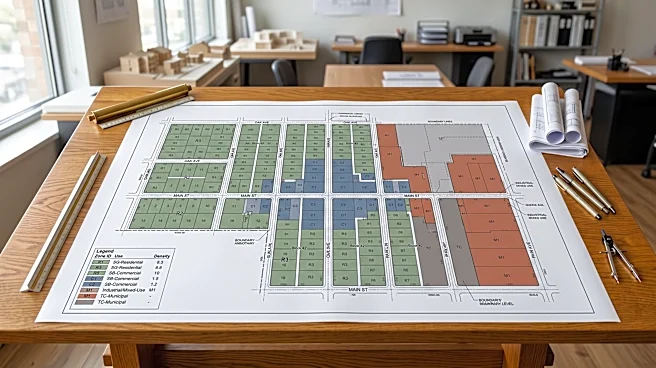
The Minneapolis Planning Commission has proposed amendments to the city's data center regulations that would significantly reduce the maximum computing space allowed from 175,000 to 50,000 square feet and require a City Council rezoning decision for each
project. Council Member Elizabeth Shaffer is actively opposing these changes, arguing that they represent a 'backdoor attempt' to prevent data center development that opponents have been unable to ban outright. Shaffer contends that the staff's initial proposal was already restrictive, including limitations to existing downtown buildings, preservation of first and second-floor activity, separation requirements, and disclosures regarding electricity, water, generators, and noise, all subject to public review. The proposed amendments would add another layer of approval and drastically cut the potential scale of projects, making investment in Minneapolis less attractive for data center developers.
Why It's Important?
These proposed regulatory changes could have a substantial impact on Minneapolis's economic development and commercial tax base. By making data center development significantly more difficult and uncertain, the city risks deterring potential investors who might otherwise rehabilitate underused downtown properties. The reduction in allowable computing space by over 70% and the addition of a mandatory Council rezoning decision for each project could lead businesses to seek opportunities in other cities with more favorable regulatory environments. This could result in continued vacancy for commercial buildings that might otherwise be converted into data centers, thereby impacting the city's tax revenue and potentially increasing the burden on homeowners. The debate highlights a tension between environmental concerns and the desire for economic growth and property revitalization within the city.
What's Next?
The City Council is expected to consider the proposed amendments from the Planning Commission. Council Member Shaffer is advocating for the rejection of these amendments to preserve a workable conditional-use process for data center development. The Council will need to weigh the arguments for stricter oversight and environmental protection against the potential economic benefits of attracting data center investments. Officials supporting the amendments will need to justify why the 50,000 square feet limit is appropriate and what additional protections a rezoning vote provides beyond the existing staff proposal. The outcome will determine the future viability of data center projects in Minneapolis and could set a precedent for how the city balances development with regulatory control.
Beyond the Headlines
The discussion around data center regulations in Minneapolis touches on broader themes of urban planning, economic competitiveness, and environmental responsibility. The argument that a 'full ban is likely unachievable' but then supporting measures that make development practically impossible raises questions about transparency and the true intentions behind regulatory proposals. This approach could be seen as a form of 'regulatory chill,' where the cumulative effect of stringent rules and uncertain approval processes discourages investment without an explicit prohibition. It also highlights the challenge for cities to adapt to new industries like data centers, which have unique infrastructure requirements and environmental considerations, particularly concerning energy and water consumption. The decision will reflect Minneapolis's long-term vision for its downtown core and its willingness to embrace or restrict certain types of commercial development.