


What's Happening?
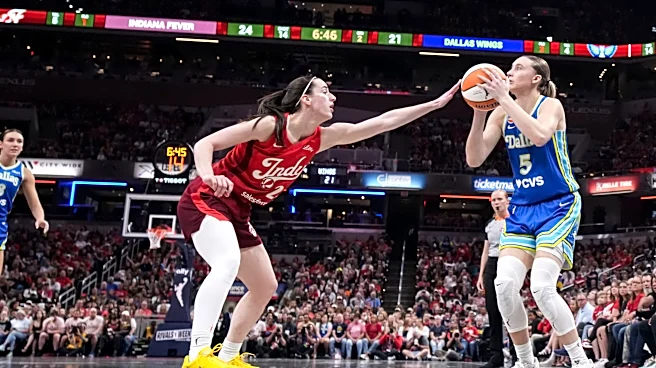
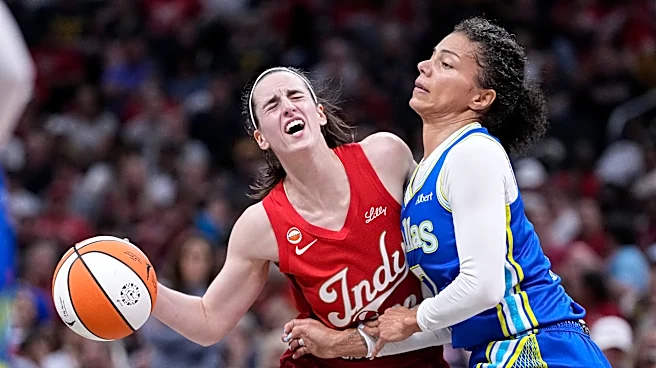
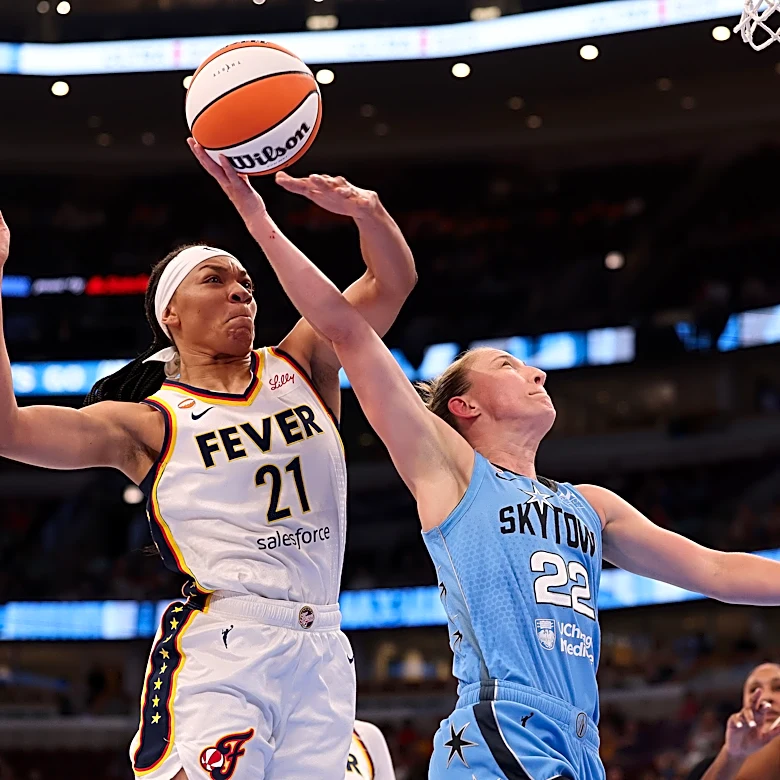
Sports analyst Jason Whitlock has strongly criticized Chicago Sky guard DiJonai Carrington following her Flagrant 2 foul on Indiana Fever's Sophie Cunningham and subsequent social media post. The controversy began when Carrington was ejected from a game
after striking Cunningham. Shortly after, Carrington posted 'White Privilege' on social media, which Whitlock addressed during an interview with journalist Bill O'Reilly. Whitlock argued that there is no racial double standard in the WNBA regarding such fouls, pointing out that Cunningham herself received a Flagrant 2 foul in a previous season. He questioned Carrington's decision to introduce race into the discussion, calling her a 'nut job' and referencing past incidents involving Caitlin Clark. Carrington has pushed back against interpretations of her post, stating it was not directed at the foul or ejection, but has not publicly explained its meaning.
Why It's Important?
Whitlock's comments highlight growing racial tensions and debates within the WNBA, particularly concerning how fouls and player conduct are perceived and disciplined. The incident and subsequent commentary bring increased scrutiny to the league's handling of player behavior and social media use. The discussion around 'white privilege' in sports, as introduced by Carrington, can polarize fan bases and draw attention away from the athletic competition itself. This situation could influence how the WNBA addresses player conduct, social media policies, and public relations, especially as the league gains more mainstream attention. The differing perspectives from players, analysts, and the public underscore a broader societal conversation about race and fairness that is now prominently playing out in professional sports.
What's Next?
The WNBA will likely face continued pressure to address player conduct and the broader implications of social media use by its athletes. While Carrington has been disciplined for the on-court foul, the controversy surrounding her 'White Privilege' post remains unresolved, as she has not offered a public explanation. This lack of clarity could lead to ongoing speculation and criticism from various stakeholders, including media personalities, fans, and potentially league officials. The league may need to consider clearer guidelines or educational initiatives for players regarding public statements, especially those that can be interpreted as racially charged. The ongoing debate could also influence how future on-court incidents are perceived and officiated, with increased scrutiny on potential biases.
Beyond the Headlines
The incident transcends a simple basketball foul, delving into complex issues of race, privilege, and accountability in public discourse. Carrington's unexplained social media post has fueled a debate about the role of athletes in social commentary and the impact of such statements on public perception of a sport. The controversy also touches upon the broader cultural phenomenon of 'cancel culture' and the immediate, widespread reactions to public figures' statements. The differing interpretations of the event—from a straightforward basketball foul to a racially charged incident—underscore the challenges of navigating sensitive topics in a highly visible public arena. This situation could serve as a case study for how professional sports leagues manage player expression and maintain a cohesive public image amidst societal divisions.