







What's Happening?
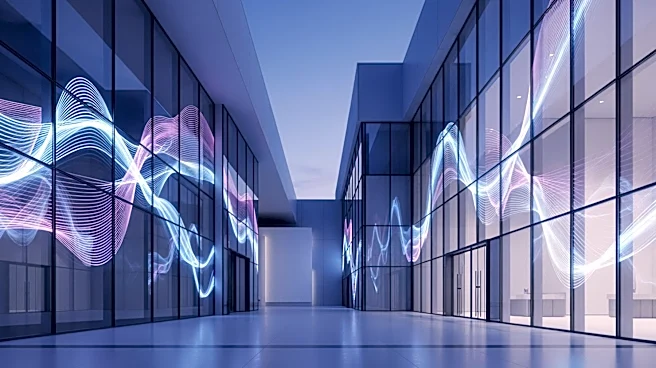
Refik Anadol, a renowned artist, has launched Dataland, the world's first AI art museum, in Downtown Los Angeles. Situated in the Frank Gehry-designed Grand LA development, Dataland spans 25,000 square feet and offers an immersive experience that blends
art, technology, and nature. The museum uses over half a billion pixels to create rooms that reflect the natural world, incorporating datasets from collaborations with institutions like the Smithsonian. Visitors are equipped with technology packs that track their heartbeats and physical reactions, integrating these into the art itself. The museum is a for-profit enterprise, with tickets starting at $49, and aims to revolutionize the traditional museum experience by engaging visitors in a deeply interactive and sensory environment.
Why It's Important?
Dataland represents a significant shift in how art and technology intersect, offering a new model for museum experiences. By integrating AI and sensory data, the museum challenges traditional notions of art appreciation, encouraging visitors to engage with art in a more personal and interactive manner. This approach could influence future museum designs and exhibitions, promoting a more immersive and participatory experience. Additionally, Dataland's opening contributes to the revitalization of Downtown Los Angeles as an arts and culture hub, potentially attracting more visitors and boosting local tourism and economy.
What's Next?
As Dataland opens its doors, it is expected to draw attention from both art enthusiasts and technology aficionados. The museum plans to collaborate with Google Art & Culture to expand access to its AI models, potentially leading to new artistic creations. Furthermore, partnerships with the Los Angeles Philharmonic and other innovators in film and music are anticipated, which could result in unique projects and exhibits. The museum's success may inspire similar ventures in other cities, fostering a new wave of AI-driven art experiences.
Beyond the Headlines
Dataland's approach to art and technology raises questions about the role of AI in creative processes and its impact on human connection. By using AI to create art that responds to human emotions and physical reactions, the museum explores the potential for technology to enhance rather than replace human creativity. This could lead to broader discussions about the ethical implications of AI in art and its ability to foster deeper understanding and empathy.