





What's Happening?
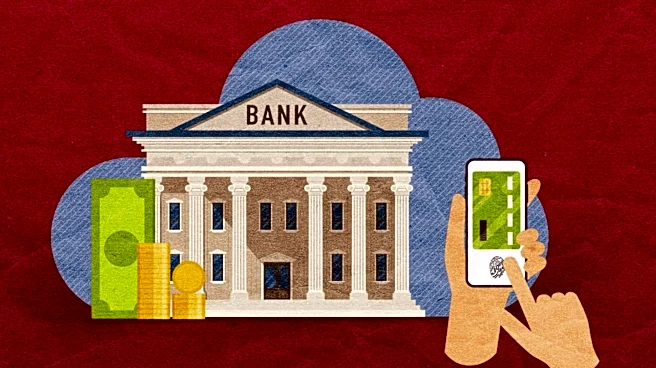
The banking industry is experiencing a shift as traditional payment fees are under pressure from regulatory changes and technological advancements. Instant payment systems and open banking are transforming money movement into a low-cost utility, challenging
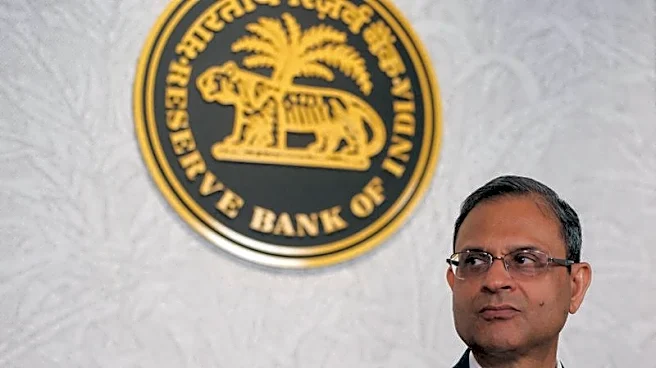
banks to find new revenue streams. The European Central Bank's Instant Payments Regulation and similar initiatives in Brazil and India are driving this change. Banks are urged to focus on monetizing broader financial relationships rather than relying on transaction fees. The shift requires banks to innovate and adapt their business models to maintain profitability.
Why It's Important?
This development is crucial as it signals a fundamental change in how banks generate revenue. As transaction fees decline, banks must leverage other financial services, such as credit, liquidity management, and data analytics, to sustain profitability. The transition poses challenges but also opportunities for banks to enhance customer relationships and offer value-added services. The outcome will impact the competitive landscape of the banking sector and influence how financial services are delivered in the future.
What's Next?
Banks will need to reassess their revenue models and explore new ways to monetize their services. Regulatory developments and technological innovations will continue to shape the industry. Banks that successfully adapt to these changes will likely gain a competitive edge, while those that fail to innovate may struggle to maintain their market position.