





What's Happening?
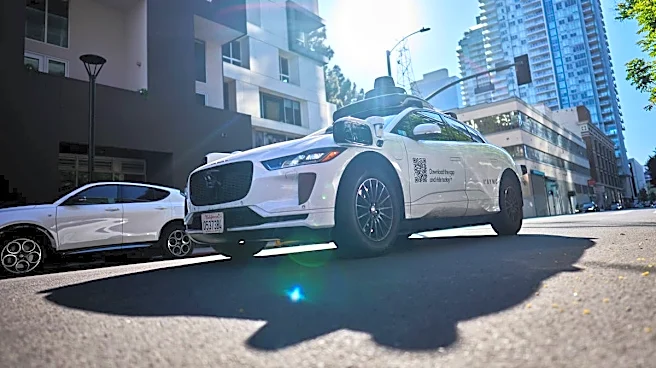
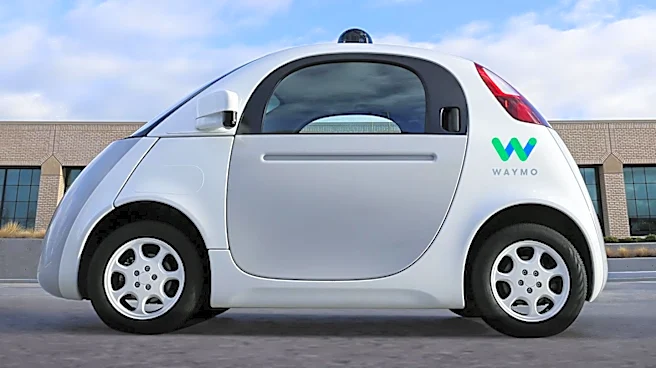
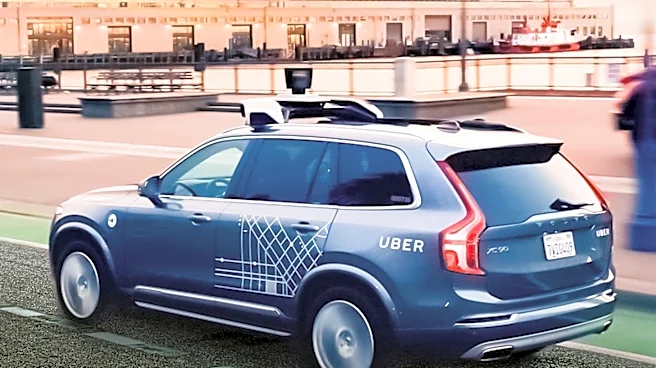
Waymo, Alphabet's autonomous vehicle division, is reportedly seeking to end its partnership with Uber, which currently allows Waymo's robotaxis to operate through Uber's app in Austin and Atlanta. The contract between the two companies is set to expire
in May 2028. This decision follows months of rising tensions, including public criticism from Uber CTO Praveen Neppalli regarding Waymo's safety and Uber CEO Dara Khosrowshahi's comments on autonomous vehicle behavior. Waymo's move to operate independently could reshape the competitive landscape in the autonomous vehicle industry, as it aims to control its customer experience and revenue streams directly.
Why It's Important?
The potential end of the Waymo-Uber partnership marks a significant shift in the autonomous vehicle industry. Waymo's decision to operate independently could challenge Uber's market position, as it relies on partnerships with autonomous vehicle providers to expand its offerings. This development highlights the growing competition and regulatory challenges in the robotaxi sector, with companies like Waymo and Uber taking opposing stances on policy issues. The outcome of this shift could influence future regulations and the adoption of autonomous vehicles in the U.S., impacting consumers, businesses, and policymakers.
What's Next?
Waymo's transition to an independent platform is expected to begin in January 2028, with the company focusing on building its own customer base and app ecosystem. This move may prompt Uber to seek new partnerships or develop its own autonomous vehicle technology to maintain its market position. Additionally, the regulatory landscape for autonomous vehicles could evolve as companies like Waymo and Uber continue to lobby for favorable policies. The competition between these tech giants may lead to innovations in safety and efficiency, ultimately benefiting consumers and shaping the future of transportation.