




What's Happening?
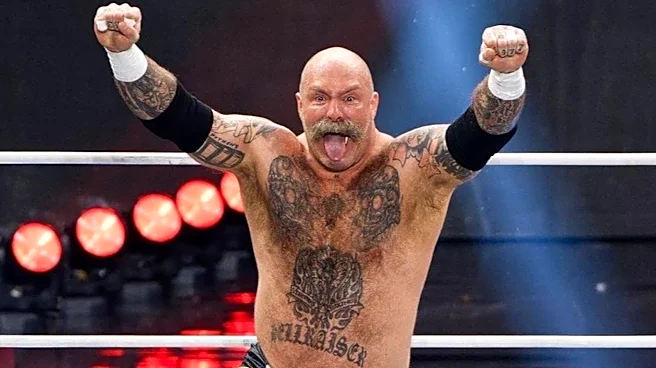
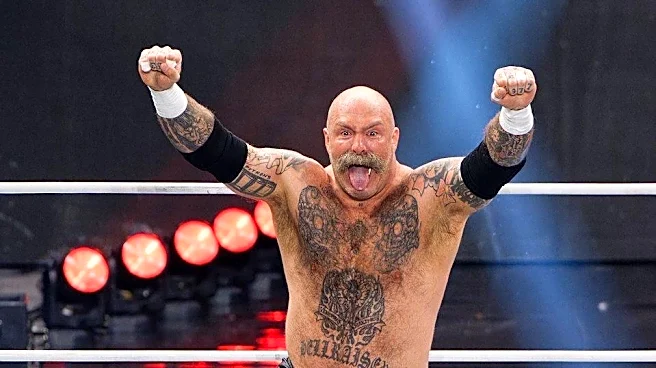
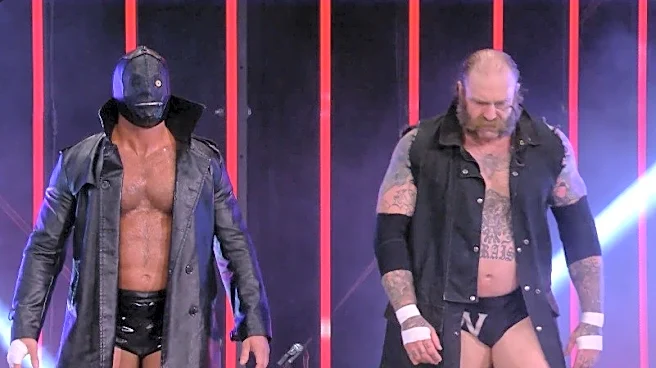
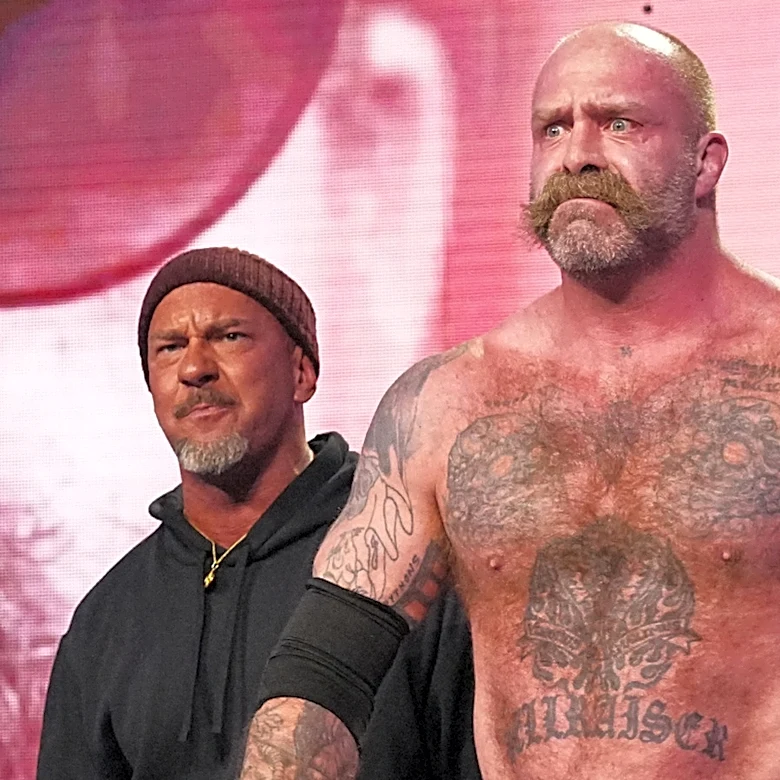
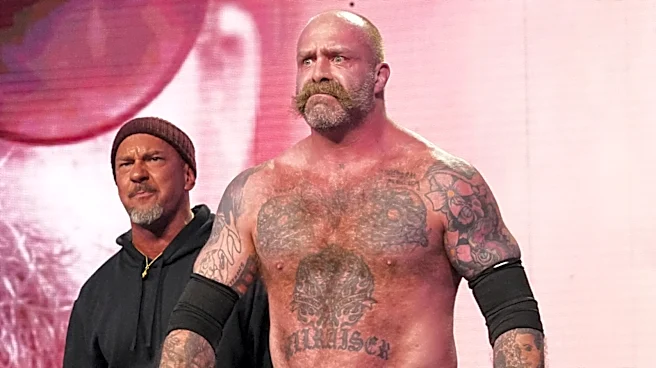
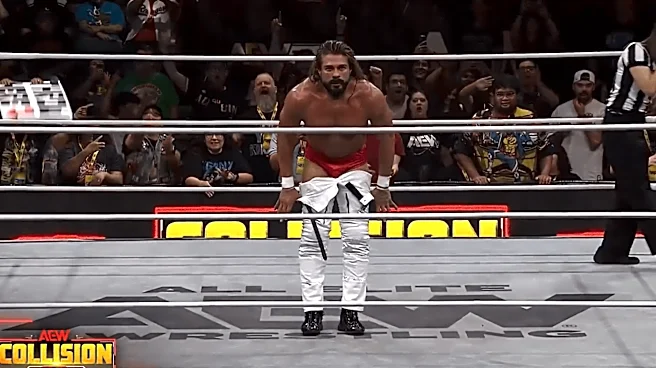
Andy Williams, known in professional wrestling as The Butcher and as a guitarist for the bands Every Time I Die and Atomic Rule, passed away at the age of 48. The former AEW wrestler experienced a medical emergency during a wrestling match on Saturday,
September 5, in Pennsylvania. Williams was competing alongside his tag team partner, The Blade, against TME at an Enjoy Wrestling event when he collapsed near the end of the match. Medical personnel on site administered CPR until an ambulance arrived. The Allegheny County Medical Examiner’s Office confirmed his passing later that night. Hours before the incident, Williams had shared a video discussing his future plans, including new music and upcoming tour dates with Atomic Rule. AEW released a statement mourning his loss, recognizing him as a 'trailblazing musician' who successfully transitioned into professional wrestling.
Why It's Important?
The sudden passing of Andy Williams highlights the inherent risks and physical demands associated with professional wrestling, even for experienced athletes. His death brings to the forefront discussions about athlete safety, medical protocols, and emergency preparedness within the sports entertainment industry. For the wrestling community, particularly AEW and Enjoy Wrestling, this event underscores the need for robust on-site medical teams and immediate response capabilities. Beyond the immediate tragedy, Williams's dual career as a respected musician and wrestler exemplifies the diverse talents often found within the entertainment and sports sectors. His death is a significant loss to both the music and wrestling communities, impacting fans, colleagues, and the organizations he was a part of, and serves as a somber reminder of the fragility of life within high-impact professions.
What's Next?
The wrestling and music communities are expected to continue mourning the loss of Andy Williams. Tributes from fellow wrestlers, musicians, and fans are anticipated across social media and at upcoming events. Investigations into the exact cause of the medical emergency may follow, potentially leading to further discussions about health screenings and safety measures in professional wrestling. His band, Atomic Rule, will likely address the future of their planned tour dates and music releases in light of his passing. The incident may also prompt a review of emergency medical procedures at independent wrestling events to ensure the highest standards of athlete care. His legacy as both a powerful musician and a formidable wrestler will undoubtedly be honored by those he influenced.
Beyond the Headlines
Andy Williams's passing transcends the immediate news of a tragic event, touching upon deeper themes within professional sports and entertainment. His ability to excel in two demanding fields—metalcore music and professional wrestling—speaks to a unique dedication and passion. This dual identity highlights the often-overlooked physical and mental toll that performers endure, whether on stage or in the ring. The outpouring of grief from both communities underscores the strong bonds formed within these industries and the profound impact individuals like Williams have on their peers and fans. His story also implicitly raises questions about the long-term health implications for athletes in high-impact sports and the support systems available to them, prompting a broader conversation about well-being beyond the spotlight.