






What's Happening?
A U.S. trade official has disclosed that only a small number of Nvidia's H200 artificial intelligence chips have been shipped to China and Hong Kong. Under Secretary of Commerce for Industry and Security Jeffery Kessler stated at a congressional hearing
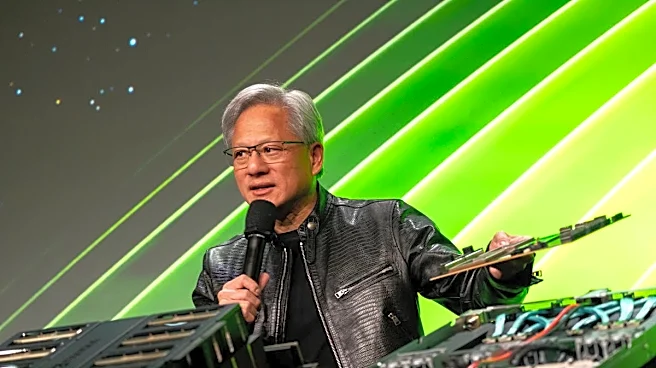
that the shipments against licenses for H200s and equivalents have been minimal. This development indicates a potential restart of H200 shipments to China, which could enhance Nvidia's sales. Nvidia has historically aimed to supply its AI chips to China, a significant market for AI development. However, the company has faced challenges due to the ongoing trade and technology conflict between Washington and Beijing, resulting in export restrictions on most of its products to China. Nvidia's CEO, Jensen Huang, had previously advised investors to expect no revenue from Chinese AI chip sales.
Why It's Important?
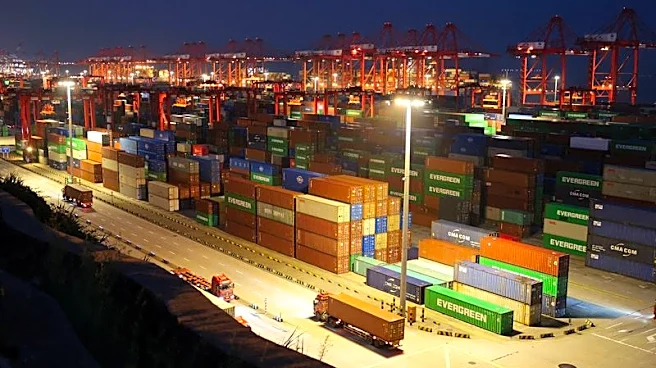
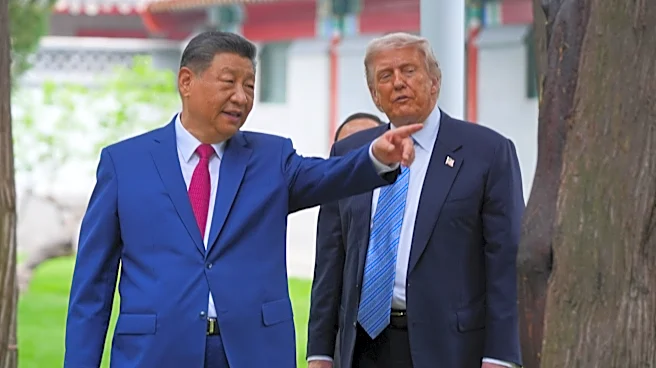
The limited shipment of Nvidia's H200 AI chips to China is significant due to the broader context of U.S.-China trade relations. The trade and technology war between the two nations has led to stringent export controls, impacting companies like Nvidia that rely on international markets for growth. The resumption of chip shipments, albeit in small quantities, could signal a shift in trade dynamics and potentially open up revenue streams for Nvidia in the Chinese market. This development is crucial for the U.S. tech industry, as it highlights the ongoing challenges and opportunities in navigating international trade policies. The situation also underscores the strategic importance of AI technology in global economic and geopolitical landscapes.
What's Next?
The future of Nvidia's chip shipments to China will likely depend on the evolving trade policies between the U.S. and China. Stakeholders, including policymakers and industry leaders, will be closely monitoring any changes in export regulations that could affect the tech sector. Nvidia may continue to seek ways to expand its presence in the Chinese market, balancing compliance with U.S. trade restrictions. Additionally, the broader implications for U.S.-China relations could influence other tech companies facing similar export challenges. The outcome of these developments could have lasting effects on global supply chains and the competitive landscape of the AI industry.