






What's Happening?
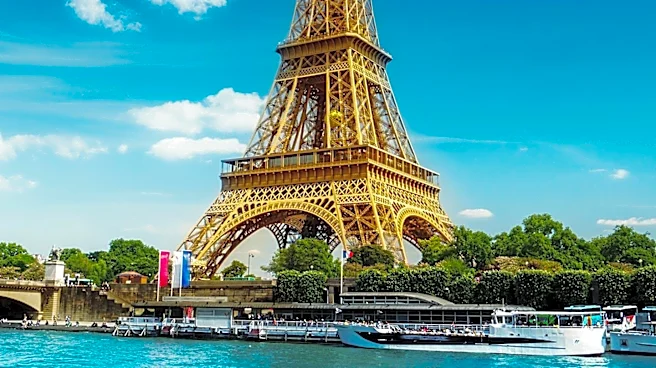
A detailed 16-day road trip itinerary for France has been outlined, commencing and concluding in Paris. This route guides travelers through significant regions including Normandy's D-Day beaches, the châteaux of the Loire Valley, Bordeaux's renowned vineyards,
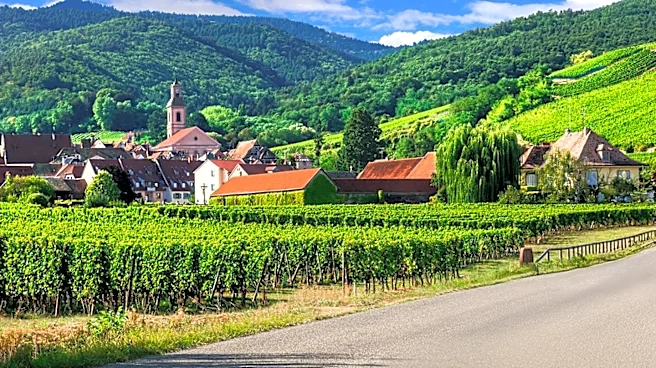
the cliffside villages of the Dordogne, Provence's lavender fields, the scenic French Riviera, and Burgundy's wine country. The itinerary emphasizes a flexible pace, encouraging exploration beyond primary stops. Key highlights include the chalk cliffs of Étretat, the Bayeux Tapestry, Mont Saint-Michel, and the historic châteaux of Chambord, Chenonceau, and Amboise. In Bordeaux, the itinerary suggests visiting the Place de la Bourse and exploring surrounding wine regions like Médoc and Saint-Émilion. The Dordogne offers prehistoric caves like Lascaux and picturesque villages such as Sarlat-la-Canéda. Further south, Carcassonne's medieval citadel and Provence's hilltop villages like Gordes and Roussillon are featured, alongside the Palais des Papes in Avignon. The journey continues to the French Riviera, encompassing Nice, Èze, and Cannes, before heading inland to the Gorges du Verdon and concluding with Burgundy's wine roads and a return to Paris.
Why It's Important?
This comprehensive road trip itinerary is important for U.S. travelers seeking an immersive cultural and historical experience in France. It provides a structured yet flexible guide, allowing visitors to efficiently explore diverse regions, from the solemn historical sites of Normandy to the luxurious coastlines of the Riviera and the rich wine-producing areas of Bordeaux and Burgundy. For American tourists, this detailed plan simplifies the complexities of international travel, offering clear directions and highlighting key attractions, which can enhance their travel experience and appreciation of French heritage. The emphasis on local experiences, such as visiting family-run wineries and exploring medieval villages, offers a deeper engagement with French culture than typical tourist routes. Furthermore, practical advice on driving in France, including toll roads, low-emission zones, and local traffic laws, is crucial for ensuring a smooth and safe journey for those unfamiliar with European driving conditions.
What's Next?
Travelers planning to undertake this French road trip should consider several practical steps. It is recommended to pick up rental cars at airports to avoid navigating central Paris traffic and low-emission zones. For those arriving from the UK, extending the journey with a Channel crossing via ferry or Eurotunnel is an option. Before departure, it is essential to order a Crit'Air sticker online for vehicles, as it can take several weeks to arrive and is required for central Paris and other French cities. Travelers should also be aware of French driving laws, such as reduced speed limits in wet weather and the legal requirement to carry a warning triangle and high-visibility vest. Additionally, downloading offline maps is advisable for rural areas where signal may be unreliable. Understanding French dining hours and customs, such as greeting with 'bonjour,' will also enhance the travel experience. For those interested in wine, focusing on regional labels rather than grape varieties is recommended.
Beyond the Headlines
The detailed itinerary for a French road trip highlights a broader trend in tourism towards more experiential and self-guided travel. By encouraging exploration of diverse regions and local customs, it fosters a deeper understanding of French culture beyond its most famous landmarks. The inclusion of practical advice, such as navigating low-emission zones and understanding local driving laws, underscores the increasing importance of sustainable and responsible tourism. This approach not only enhances the traveler's experience but also promotes a more respectful engagement with local environments and communities. The emphasis on historical sites like the D-Day beaches and medieval citadels also serves as a reminder of the enduring historical ties and shared heritage between nations, offering U.S. travelers a chance to connect with significant global events. This type of curated itinerary can inspire a more thoughtful and informed approach to international travel, moving beyond superficial sightseeing to genuine cultural immersion.