

What's Happening?
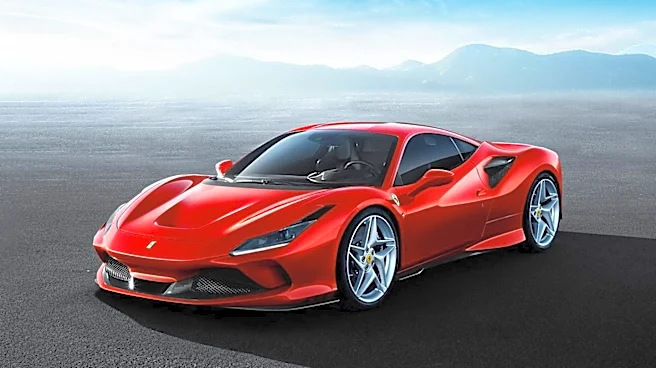
Ferrari's first electric vehicle (EV), the Luce, designed by former Apple designer Jony Ive, faced significant online criticism upon its release in May. Despite the backlash, Ferrari has met its sales target for the Luce, selling 500 units in 2026 and
aiming for 2,500 by 2030. The Luce's unique design, featuring rounded surfaces and large wheels, initially led to an 8% drop in Ferrari's stock. However, the vehicle has found success among wealthy buyers in China and Silicon Valley. Ferrari's CEO, Benedetto Vigna, expressed satisfaction with the sales performance, even as the broader EV market faces challenges, including a decline in U.S. sales following the removal of federal tax credits.
Why It's Important?
The success of the Luce highlights Ferrari's ability to navigate the evolving automotive market, particularly in the luxury EV segment. This achievement is notable given the broader decline in EV sales in the U.S., exacerbated by policy changes under President Trump. Ferrari's strategy to target affluent markets in China and Silicon Valley demonstrates a focused approach to capturing niche segments. The company's performance also contrasts with competitors like Lamborghini, which have scaled back EV plans. Ferrari's ability to exceed sales expectations despite initial skepticism underscores the brand's resilience and adaptability in a challenging market.
What's Next?
Ferrari plans to continue its EV expansion, aiming for 20% of its lineup to be all-electric by 2030. The company will likely focus on maintaining its appeal among luxury buyers while navigating the challenges of rising production costs and market fluctuations. As Ferrari raises its revenue outlook, it will be crucial to monitor how the company balances traditional combustion models with its growing EV portfolio. The broader automotive industry's response to shifting consumer preferences and regulatory changes will also influence Ferrari's strategic decisions.