






What's Happening?
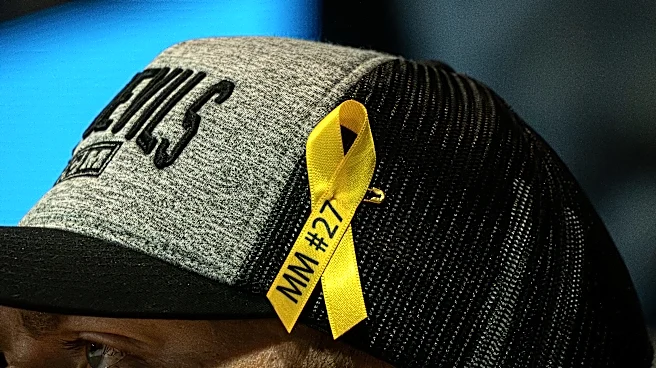
Matthew Mayich, a standout hockey player for Arizona State University (ASU), is in critical condition after suffering what his family's lawyer described as exertional heat stroke during an early morning practice on August 20. The workout, led by guest
trainer Tim Ziesel, involved intense physical exercises in temperatures that reached nearly 90 degrees Fahrenheit. Mayich reportedly struggled, stumbled, and fell, with his condition deteriorating despite initial treatment by athletic staff. His teammates, in an anonymous letter, alleged that the workout lasted 75 minutes, not the 45 minutes reported by the university, and that ASU's heat policies, including the provision of immersion tubs and on-field heat measurements, were not followed. They also claimed Mayich showed signs of distress before his collapse and did not receive water. ASU has placed head coach Greg Powers on paid leave and initiated an independent review led by former Arizona Supreme Court Chief Justice Scott Bales.
Why It's Important?
This incident highlights the critical and often overlooked dangers of exertional heat stroke in collegiate sports, especially as climate change contributes to more frequent and intense extreme heat events. The case draws parallels to the death of NFL player Korey Stringer 25 years prior, which brought heat safety to national attention. Despite advancements in understanding and preventing heat-related illnesses, the alleged failure to implement established best practices at ASU underscores persistent gaps in athlete protection. The situation raises questions about accountability within university athletic programs and the adequacy of current NCAA guidelines, which are largely voluntary. The potential for legal action and the ongoing independent review could influence future heat safety protocols across collegiate sports, impacting how universities manage athlete well-being in increasingly hot environments.
What's Next?
Former Arizona Supreme Court Chief Justice Scott Bales is tasked with completing an independent review of ASU's planning, policies, and response to outdoor athletic activities by early December. Mayich's family has welcomed this review but is advocating for an expanded mandate to investigate the specifics of what occurred on the field, identify responsible parties, and determine if university, athletic conference, or NCAA rules were violated. They are calling for the findings to be made public. The outcome of this review could lead to significant changes in ASU's athletic policies and potentially influence broader discussions about mandatory heat safety regulations in collegiate sports. The legal proceedings initiated by Mayich's family will also continue, seeking accountability and truth regarding the incident.
Beyond the Headlines
The Matthew Mayich incident exposes a deeper systemic issue regarding the balance between athletic performance demands and athlete safety, particularly in the context of rising global temperatures. The reliance on voluntary guidelines by organizations like the NCAA, as opposed to strict mandates, creates a patchwork of safety standards across institutions, leaving some athletes more vulnerable. The case also brings to light the ethical responsibilities of universities and coaching staff to prioritize athlete well-being over competitive pressures. The alleged discrepancies between university reports and teammate accounts suggest a potential culture of downplaying risks or failing to adhere to established protocols. This event could serve as a catalyst for a national re-evaluation of heat safety policies in all levels of sports, pushing for more stringent, enforceable regulations and greater transparency in incident reporting and investigation.