




What's Happening?
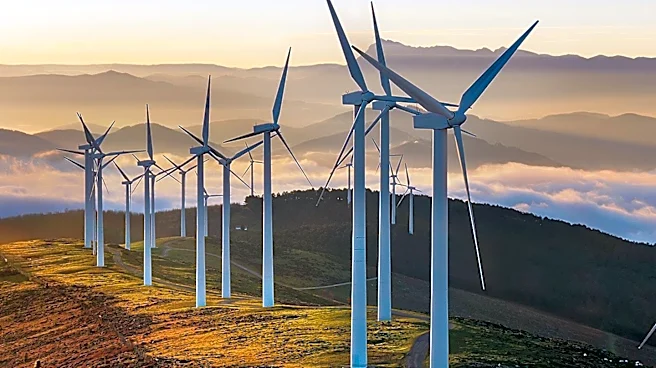
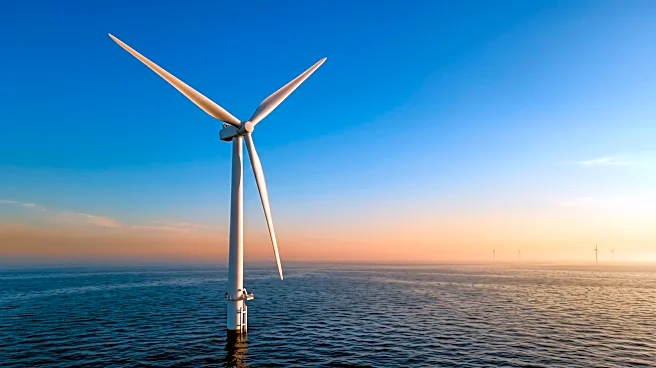
Taiwan's Offshore Wind Zonal Development Round 3-3 selection process concluded on September 30, with only two developers, Copenhagen Infrastructure Partners (CIP) and Ørsted, submitting bids. CIP proposed the Fengmiao 3 wind farm, while Ørsted bid for
the Dadu 1 wind farm. These two proposed sites largely overlap, which could lead to a 'winner-take-all' outcome under the selection rules. The original target of allocating 3.6 gigawatts (GW) of development capacity will not be met due to the limited participation. The unallocated capacity from this round will be rolled into the subsequent Round 3-4 selection. The Ministry of Economic Affairs' Energy Administration noted that global investment strategies and scheduling constraints of developers indirectly influenced the willingness to participate. The selection process and capacity allocation results are expected to be announced by the end of 2026, with selected wind farms projected to begin commercial operation between 2030 and 2031.
Why It's Important?
The under-subscription in Taiwan's offshore wind auction highlights potential challenges in global renewable energy development, which could impact U.S. companies and investors involved in the sector. While the U.S. is actively pursuing its own offshore wind projects, a lack of developer interest in other markets, even with favorable conditions like the removal of mandatory local content requirements in Taiwan, could signal broader industry hurdles such as supply chain constraints, rising costs, or shifting investment priorities. For U.S. firms looking to expand internationally or those with global portfolios, this situation underscores the need for adaptable strategies and a deep understanding of regional market dynamics. The unallocated capacity in Taiwan means a slower pace of renewable energy deployment in that region, potentially affecting global carbon reduction targets and the overall momentum of the clean energy transition. It also suggests that even established developers like CIP and Ørsted are becoming more selective in their project commitments, which could influence future bidding behaviors in U.S. offshore wind lease auctions.
What's Next?
The selection results and capacity allocation for Taiwan's Offshore Wind Round 3-3 are anticipated by the end of 2026. The unallocated capacity from this round will be carried over to the Round 3-4 selection, indicating that Taiwan will need to reassess its strategies to attract more developers and meet its renewable energy targets. The outcome of the 'winner-take-all' scenario between CIP and Ørsted for the overlapping wind farm sites will be a key determinant of the immediate development in this round. Developers will be closely watching the Energy Administration's response to the under-subscription, particularly how it adjusts future auction terms or incentives to stimulate greater participation. This situation may prompt a re-evaluation of global offshore wind development policies and investment frameworks, potentially influencing how other nations, including the U.S., structure their own renewable energy tenders to ensure robust competition and successful project deployment.
Beyond the Headlines
The limited participation in Taiwan's offshore wind auction, despite the removal of mandatory local content requirements, points to deeper structural issues within the global renewable energy sector. This could include increased capital costs, supply chain bottlenecks, or a more cautious investment climate among major developers. The shift from mandatory local content to ESG and local industry commitment proposals as evaluation criteria in Taiwan reflects an evolving approach to balancing economic development with environmental and social considerations. This trend could influence future U.S. renewable energy policies, potentially leading to a greater emphasis on broader sustainability metrics rather than strict local manufacturing mandates. The 'winner-take-all' dynamic for overlapping sites also highlights the intense competition for prime development locations and the strategic complexities involved in large-scale infrastructure projects. This scenario could lead to more collaborative bidding or consolidation among developers in future auctions, both in Asia and potentially in emerging U.S. offshore wind markets.