




What's Happening?
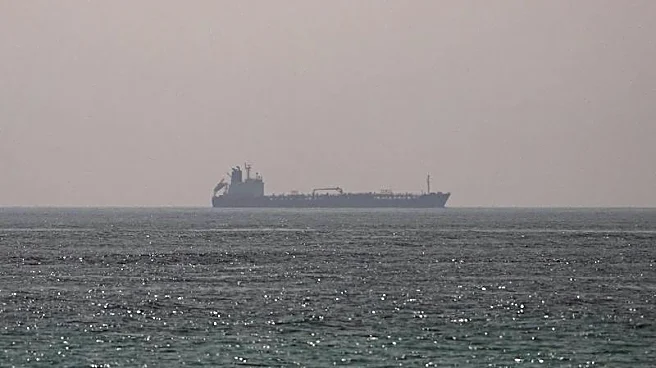
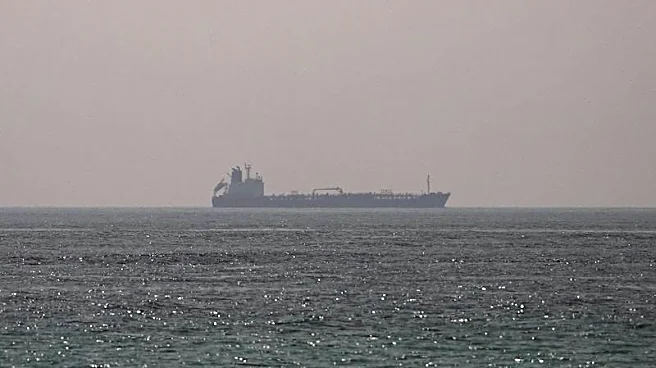
Turkey has increased its diplomatic efforts to re-establish a grain corridor through the Black Sea, receiving a positive response from Ukrainian President Volodymyr Zelenskiy. This initiative aims to partially revive the 2022 Black Sea Grain Initiative,
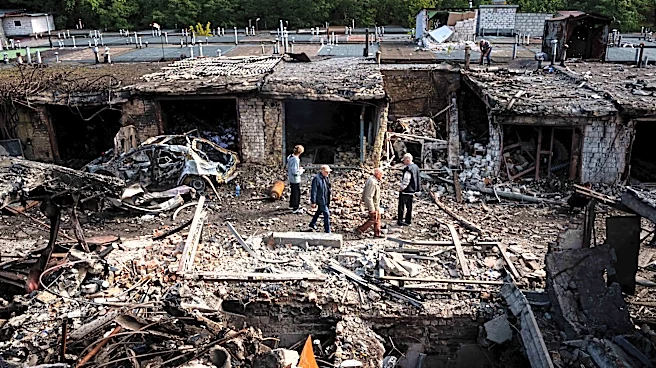
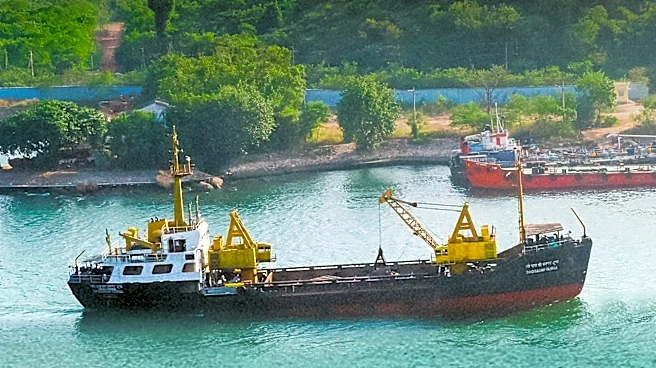
which previously allowed for the safe shipment of Ukrainian grain during the ongoing conflict. Russia had withdrawn from the original agreement, citing unresolved issues regarding its own food and fertilizer exports. The current situation is complicated by intensified strikes on grain vessels and port infrastructure by both Russia and Ukraine. A senior Ukrainian official has stated that the country's agricultural sector is facing its most severe conditions since the full-scale invasion began, primarily due to these ongoing attacks on port facilities. Despite diplomatic efforts, the market views the possibility of renewed exports as a slight reduction in supply risk rather than a definitive breakthrough, with Barva Invest expressing skepticism about a swift return to normal Black Sea export levels.
Why It's Important?
The potential reopening of the Black Sea grain corridor is crucial for global food security and commodity markets. Ukraine is a major global exporter of wheat, corn, barley, and sunflower oil. Disruptions to these exports, caused by the conflict and attacks on port infrastructure, lead to increased volatility and higher prices for these commodities worldwide. A functioning export route would improve the flow of Ukrainian grain to international buyers, potentially lowering European futures prices and reducing the premium currently built into prices due to shipping and insurance uncertainties. Import-dependent regions, particularly in the Middle East, Africa, and parts of Asia, would benefit from more stable and affordable food supplies, potentially easing food inflation pressures. Conversely, continued disruptions could put up to 38 million tonnes of exports from Russia and Ukraine at risk, exacerbating global food supply challenges.
What's Next?
Diplomatic efforts by Turkey are expected to continue, focusing on securing an agreement that would allow for the safe passage of grain. The market will closely monitor any further developments regarding physical damage assessments to port facilities, ship traffic data, and insurance conditions, as these factors will influence the feasibility and reliability of any renewed corridor. The duration of the impact on exports is potentially medium-term, with damage to port facilities and persistent strike risks possibly constraining exports throughout the 2026/27 marketing year. While alternative land and river routes exist, their capacity and cost are insufficient to fully compensate for the loss of Black Sea deep-sea port access. Unless there is a clear de-escalation of hostilities or the establishment of alternative secure corridors, a structural risk premium in Black Sea-linked grains and oilseeds is likely to persist.
Beyond the Headlines
The ongoing conflict's impact on Black Sea grain exports extends beyond immediate price fluctuations, highlighting deeper issues of geopolitical stability and the vulnerability of global supply chains. The human element of risk for seafarers, as emphasized by Barva Invest, underscores the ethical dimensions of maritime trade in conflict zones. The shift in focus for grain buyers from seeking the cheapest origin price to prioritizing reliable and timely delivery indicates a fundamental change in trade patterns, potentially leading to long-term adjustments in sourcing strategies and logistics infrastructure. The situation also brings into question the effectiveness of international agreements in mitigating the economic consequences of armed conflicts, particularly when key parties withdraw or fail to adhere to terms. The long-term implications could include increased investment in alternative trade routes and storage capacities, as well as a re-evaluation of global food reserves and strategic partnerships to ensure resilience against future disruptions.