



What's Happening?
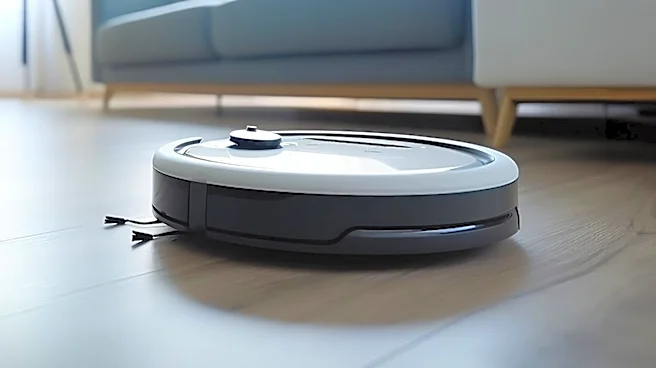
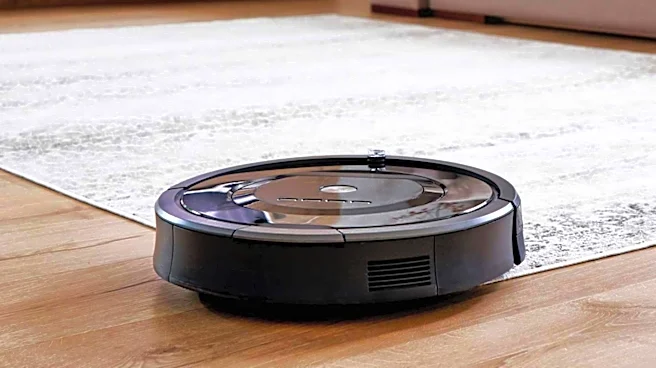
Hubitat is developing a new integration for Roborock vacuum cleaners that will allow for local control over a home network, bypassing the cloud for most functions. This integration, currently in beta testing, enables Hubitat to communicate directly with
Roborock vacuums for live status updates and commands such as starting, docking, pausing, resuming, and adjusting fan and mop settings. While initial sign-in and some functions like finding a new IP address or running Roborock scenes will still utilize Roborock's cloud, the core operational commands and status monitoring will be handled locally. The new driver aims to maintain compatibility with existing Roborock drivers, ensuring that current rules and dashboards can be carried over. Beta testers are being sought for various Roborock models, excluding Dyad, Zeo, and the Q7/Q10 family, to ensure broad compatibility before a wider release.
Why It's Important?
This development is significant for U.S. smart home users who prioritize privacy, reliability, and reduced dependence on internet connectivity for their devices. Local control means that essential vacuum functions can operate even if internet service is interrupted or if Roborock's cloud servers experience downtime. This enhances the robustness and responsiveness of smart home automation. For consumers, it offers greater peace of mind regarding data privacy, as less operational data is routed through external servers. For the smart home industry, it highlights a growing trend towards more decentralized and secure device management, potentially influencing other manufacturers to adopt similar local control capabilities. This could lead to more resilient and user-controlled smart home ecosystems, benefiting both individual users and the broader market for connected devices.
What's Next?
The Hubitat team is actively seeking more beta testers to expand compatibility across a wider range of Roborock vacuum models. Interested users with compatible models are encouraged to contact Hubitat to participate in the testing phase. Once sufficient testing is completed and any necessary adjustments are made, the integration will move out of beta and be released to the general public. This will likely involve an official announcement and availability through Hubitat Package Manager (HPM). Future developments could include expanding local control to more advanced features or integrating with other smart home platforms, further solidifying the trend towards enhanced local device management.
Beyond the Headlines
The shift towards local control in smart home devices like Roborock vacuums reflects a broader industry and consumer desire for greater autonomy and security. In an era of increasing cyber threats and concerns over data privacy, local processing and control reduce exposure to external vulnerabilities and potential data breaches. This move also challenges the traditional cloud-centric model of IoT, where manufacturers often retain significant control over device functionality and data. As more devices adopt local control, it could empower users with more direct ownership and customization of their smart homes, fostering innovation in third-party integrations and creating a more open and interoperable smart home landscape. This could also lead to a re-evaluation of business models for smart device manufacturers, emphasizing hardware capabilities and local software rather than relying solely on subscription-based cloud services.