





What's Happening?
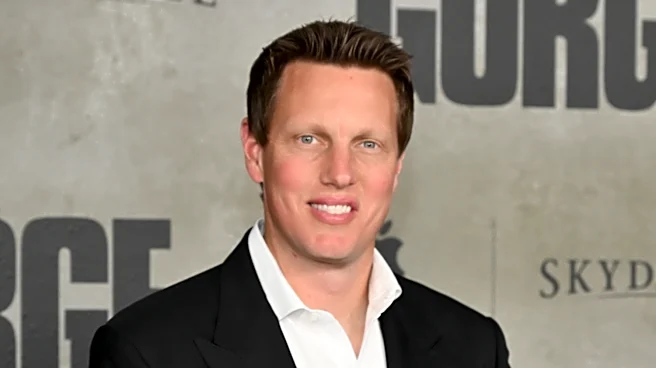
David Ellison's attempt to take control of Warner Bros. Discovery has encountered significant legal challenges. Despite initial approval from the U.S. Justice Department, a coalition of 12 states, led by California Attorney General Rob Bonta, has filed
a lawsuit to block the merger. The states argue that the merger would create a media monopoly, controlling a substantial portion of film distribution and cable channels. The lawsuit highlights concerns about reduced competition and potential impacts on democracy. Ellison has defended the merger, claiming it would enable competition with tech giants like Netflix and Amazon. However, the inclusion of CNN in the deal has raised additional concerns about media influence.
Why It's Important?
The legal battle over the Warner Bros. merger underscores the broader debate about media consolidation and its implications for competition and content diversity. If successful, the merger could significantly alter the media landscape, potentially reducing consumer choice and increasing corporate control over media narratives. The case also reflects tensions between state and federal regulatory approaches, as states challenge a merger approved by the federal government. The outcome could influence future media mergers and regulatory policies.
What's Next?
The case is expected to go to trial, with states and Paramount proposing different trial dates. The trial's outcome will determine whether the merger can proceed, with significant implications for the media industry. If blocked, it could deter future mergers and encourage more stringent regulatory scrutiny. Conversely, if approved, it may pave the way for further consolidation. The case also highlights the role of state governments in challenging federal decisions, potentially influencing future regulatory dynamics.