






What's Happening?
U.S. natural gas futures have dropped to a six-week low, with prices falling about 4% due to expectations of low gas flows to LNG export plants and a larger-than-expected storage build. The front-month gas futures for August delivery fell to $3.073 per
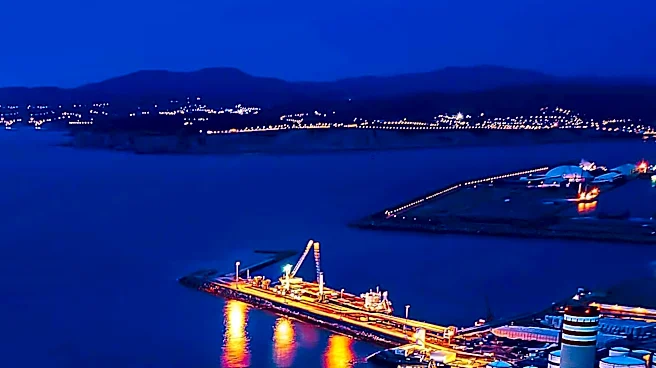
million British thermal units. The decline is attributed to planned maintenance at Freeport LNG's plant in Texas and a federal report showing a significant storage build. Despite the drop, average gas flows to U.S. LNG export plants have risen, and the first phase of the Energia Costa Azul plant in Mexico has shipped its first cargo.
Why It's Important?
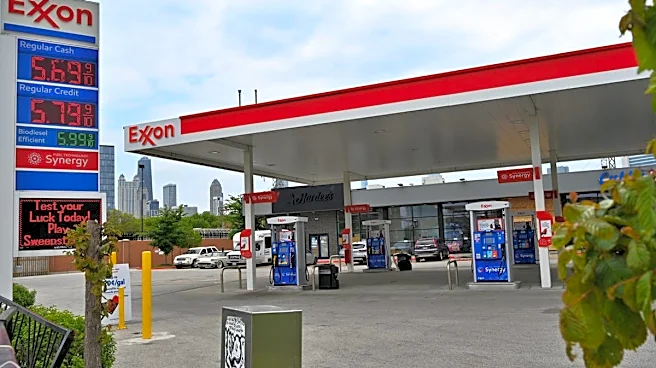
The decline in natural gas prices reflects broader market adjustments amid ongoing geopolitical tensions and domestic energy policies. The situation highlights the complexities of balancing supply and demand in the energy sector, particularly as global conflicts impact market dynamics. The drop in prices may provide temporary relief to consumers and businesses, but the long-term implications for energy security and market stability remain uncertain. The situation underscores the need for strategic energy policies and international cooperation to address market volatility.
What's Next?
As maintenance at key LNG facilities continues, natural gas prices may remain volatile in the near term. The situation presents an opportunity for policymakers and industry stakeholders to explore strategies for enhancing energy security and market resilience. The ongoing geopolitical tensions will also play a critical role in shaping future developments in the energy sector, with potential implications for global supply chains and consumer prices. Stakeholders will need to monitor market trends closely to adapt to changing conditions.