

What's Happening?
A significant revival of 2016 fashion trends is currently sweeping through social media platforms like TikTok and Instagram, with the hashtag #2016 surpassing 2 million posts on TikTok. Celebrities such as Charlie Puth and Reese Witherspoon are participating
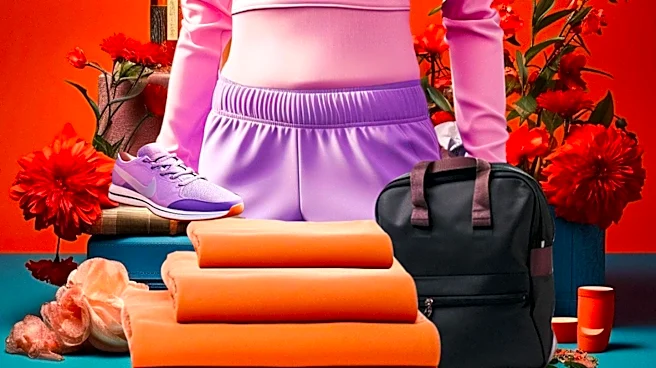
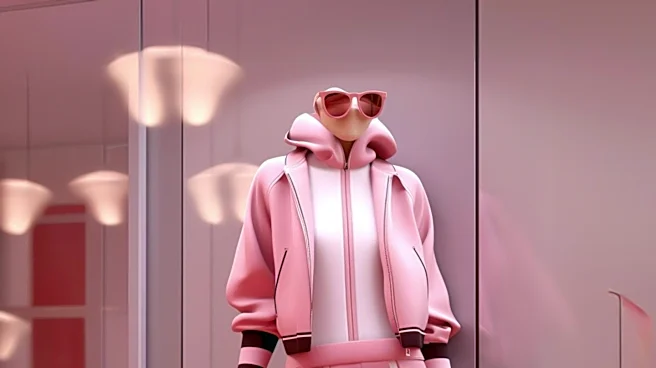
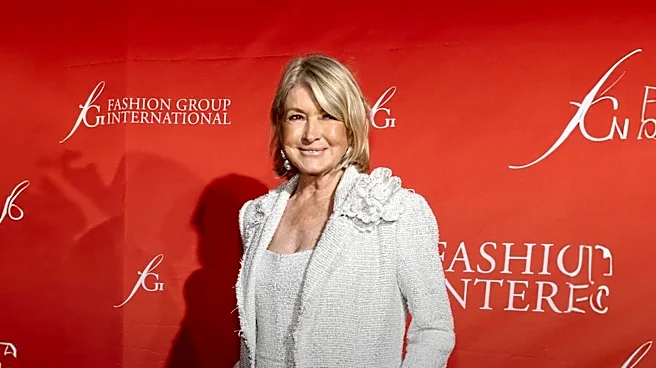
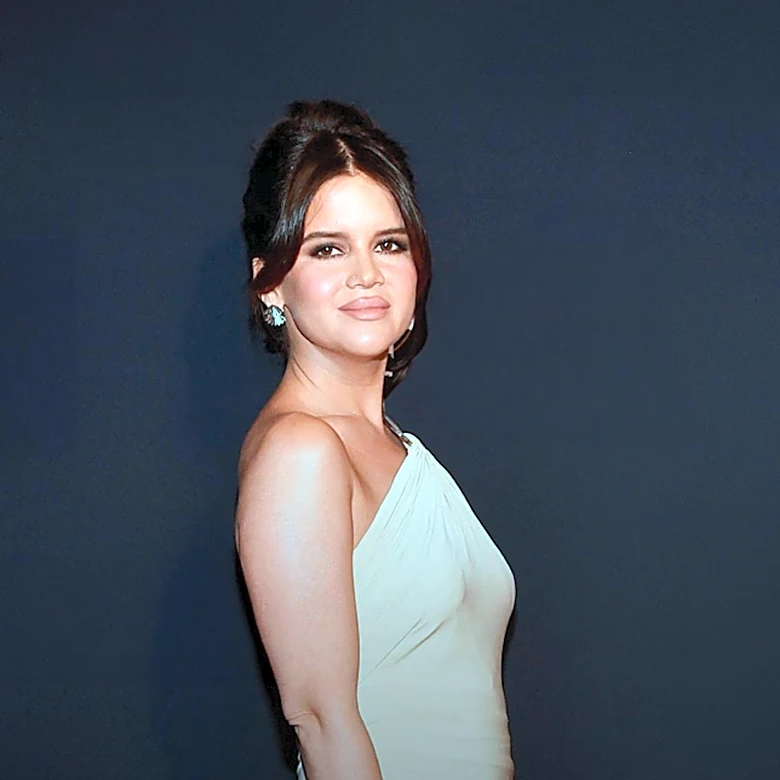
in this wave of throwbacks. This trend encompasses various styles that defined 2016, including chokers, slip dresses, athleisure wear, oversized jackets worn off the shoulder, and the color millennial pink. Fashion historians note that celebrity styles, particularly those of Taylor Swift, Rihanna, Gigi Hadid, and Bella Hadid, were highly influential in shaping the fashion landscape of 2016. The resurgence is attributed to a deeper psychological need for familiarity and connection in an increasingly uncertain world, as explained by existential psychologist Clay Routledge, who notes that people often turn to nostalgia when anxious about the future. Cultural analysts also suggest that 2016 is remembered as the last moment of true mass culture before the fragmentation caused by social media and streaming platforms.
Why It's Important?
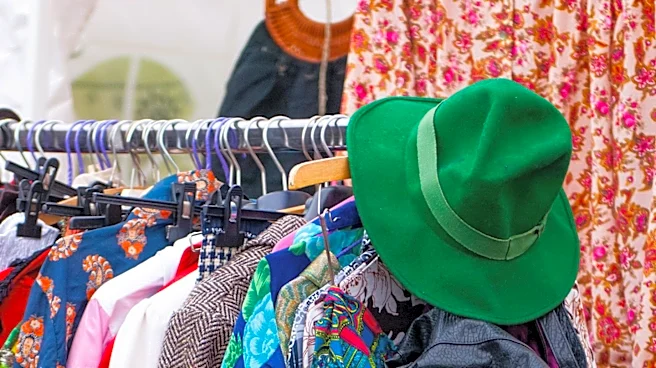
This fashion revival highlights a broader societal trend of seeking comfort and familiarity during periods of rapid change and uncertainty. The influence of social media, particularly TikTok, in accelerating and popularizing nostalgic trends demonstrates its significant impact on consumer behavior and cultural movements. For the fashion industry, this means a renewed demand for styles from a relatively recent past, potentially boosting sales for brands that can quickly adapt to these trends or for second-hand markets like thrift stores, which offer accessible ways to engage with the 2016 aesthetic. The psychological underpinnings of this trend, linking nostalgia to anxiety about the future and the impact of artificial intelligence, suggest a deeper cultural yearning for simpler times. This phenomenon also underscores the power of celebrity endorsement in shaping fashion cycles and the collective memory of cultural moments, influencing how younger generations perceive and adopt past styles.
What's Next?
The continued prominence of 2016 fashion trends suggests that consumers, particularly millennials and Gen Z, will likely continue to embrace styles that evoke a sense of comfort and familiarity. This could lead to further exploration of fashion from other recent decades as a coping mechanism for future anxieties. Retailers and fashion brands are expected to continue incorporating these revived styles into their collections, offering both updated interpretations and direct reproductions. The accessibility of these trends through thrift stores and affordable brands will likely sustain their popularity, making them less exclusive and more widespread. Social media platforms will remain crucial in disseminating and amplifying these trends, with influencers and celebrities continuing to play a pivotal role in their adoption. The underlying psychological drivers, such as anxiety about technological advancements like AI, indicate that this nostalgic turn might not be a fleeting trend but rather a recurring pattern in consumer culture.
Beyond the Headlines
The resurgence of 2016 fashion goes beyond mere aesthetics, reflecting a collective psychological response to a rapidly evolving world. The concept of 'mass culture' from 2016, before the hyper-fragmentation of media, suggests a longing for shared experiences and a sense of collective identity that may feel diminished today. This trend could indicate a broader cultural shift where consumers are increasingly valuing authenticity and a connection to the past over constant novelty. The accessibility of these trends through thrift stores also points to a growing interest in sustainable fashion and a rejection of fast fashion's disposability. Ethically, this trend raises questions about the cyclical nature of fashion and whether it truly innovates or merely recycles, and how this impacts consumer expectations and environmental footprints. The psychological comfort derived from nostalgia, particularly in the face of technological advancements like AI, highlights a human need for stability and predictability in an unpredictable future.