






What's Happening?
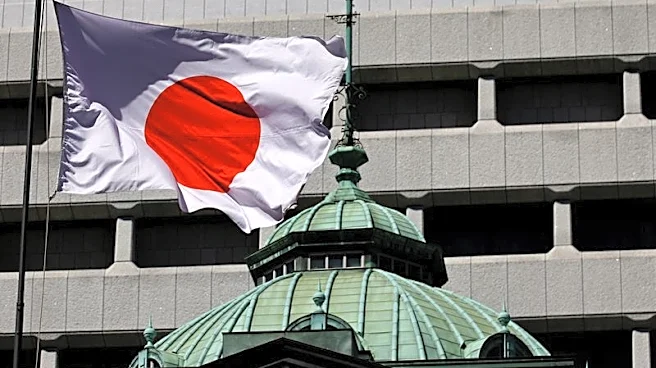
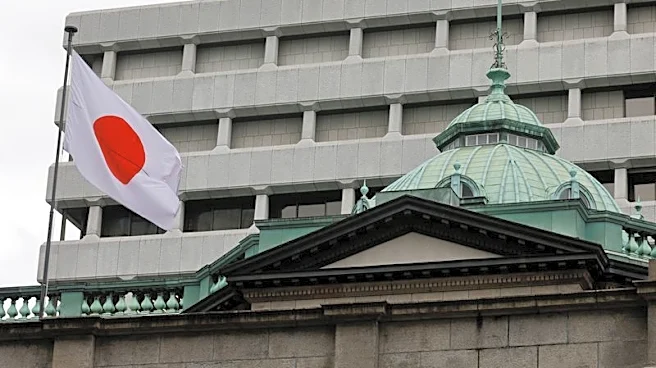
A hawkish member of the Bank of Japan's (BOJ) policy board, Naoki Tamura, has called for prompt action to continue raising the central bank's benchmark interest rate. Speaking to business leaders in Yamanashi, west of Tokyo, Tamura stated his belief that
the BOJ needs to bring the policy rate to a neutral level soon. A neutral level is defined as one that neither restricts nor stimulates the economy. Tamura emphasized that given underlying consumer price inflation in Japan is not yet firmly anchored at the BOJ's 2% target, the bank must respond swiftly to any signs of an upward deviation in prices. This response, he suggested, should include accelerated policy interest rate hikes. His remarks align with market expectations for a rate hike by the BOJ in the upcoming month.
Why It's Important?
This statement from a BOJ policy board member signals a strong internal push for more aggressive monetary tightening, reinforcing market expectations for further rate hikes. For U.S. financial markets, a more hawkish stance from the BOJ could lead to a stronger yen, potentially impacting the competitiveness of U.S. exports to Japan and the cost of Japanese imports. A significant shift in Japan's interest rate policy could also influence global capital flows, as investors might reallocate funds towards higher-yielding Japanese assets, potentially affecting U.S. bond yields and the dollar's strength. This development highlights a growing consensus within the BOJ to normalize monetary policy after years of ultra-low rates, reflecting concerns about persistent inflation. It also provides insight into the internal debates and differing views within major central banks as they navigate post-pandemic economic conditions.
What's Next?
The call for swift rate hikes by a BOJ policy board member strengthens the likelihood of a rate increase in the coming month, as anticipated by market participants. This suggests that the BOJ may adopt a more aggressive tightening path than previously expected, moving the policy rate towards a neutral stance. Future decisions will likely be influenced by incoming inflation data and economic indicators, as the BOJ aims to ensure price stability without stifling economic growth. The government's stance, which has historically favored accommodative policies, may face pressure to adapt as the central bank prioritizes its inflation target. International financial markets will closely watch the BOJ's next moves, as accelerated rate hikes could trigger significant shifts in currency valuations and global investment strategies.
Beyond the Headlines
The emphasis on reaching a 'neutral level' for the policy rate signifies a fundamental shift in the BOJ's long-term monetary strategy, moving away from its unconventional easing measures. This could lead to a re-evaluation of the role of monetary policy in Japan's economy, potentially fostering a more conventional approach to managing inflation and economic cycles. The debate within the BOJ, as highlighted by Tamura's hawkish comments, reflects the broader challenge faced by central banks worldwide: how to unwind extraordinary stimulus measures without causing economic disruption. Ethically, the BOJ's commitment to its 2% inflation target, even if it means rapid rate hikes, underscores its mandate for price stability, potentially prioritizing long-term economic health over short-term growth concerns. This shift could also influence corporate behavior in Japan, encouraging greater investment and wage growth as businesses adapt to a new interest rate environment.