



What's Happening?
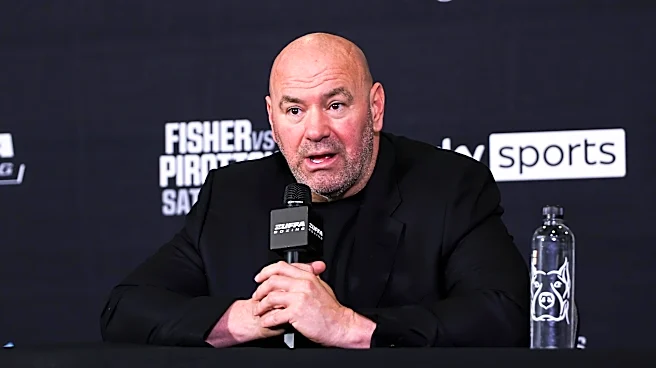
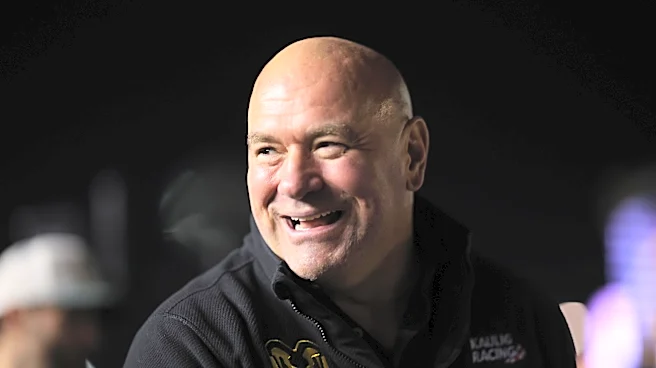
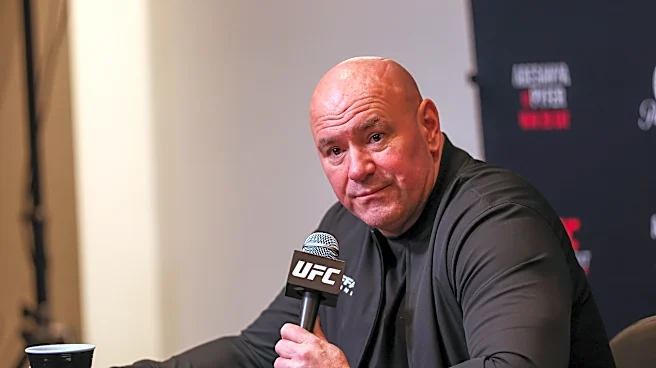
UFC CEO Dana White recently appeared on 'The Diary of a CEO' podcast, offering insights into his career, entrepreneurial journey, and personal life. During the interview with host Steven Bartlett, White expressed his ambition to secure a $10 billion TV
rights deal for the UFC with Paramount or another partner once the current agreement expires. He also addressed his strained relationship with his late mother, June White, which he attributed to a tell-all book she wrote titled 'Dana White: The King of MMA.' White stated that the book contained inaccuracies and hurt many people beyond himself. He also touched upon his close working relationship with Ari Emanuel, the executive chairman of TKO Group Holdings, highlighting Emanuel's support in funding creative projects for the UFC. White became UFC president in 2001 and played a crucial role in the promotion's rise to mainstream popularity, particularly through 'The Ultimate Fighter' series, after the company faced near-bankruptcy in 2004.
Why It's Important?
Dana White's pursuit of a $10 billion TV rights deal signifies a massive potential financial injection into the UFC, which could further solidify its position as a dominant force in the global sports entertainment landscape. Such a deal would not only enhance the UFC's revenue streams but also potentially lead to increased fighter pay, expanded event production, and broader international reach. The candid discussion about his personal life, particularly his estrangement from his mother, offers a rare glimpse into the human side of a prominent sports executive, potentially fostering a more nuanced public perception of White. His reliance on Ari Emanuel for significant financial backing underscores the strategic importance of the TKO Group Holdings partnership in realizing the UFC's ambitious growth plans. This financial and strategic alignment is crucial for the continued expansion and innovation within the mixed martial arts industry, impacting athletes, fans, and broadcast partners.
What's Next?
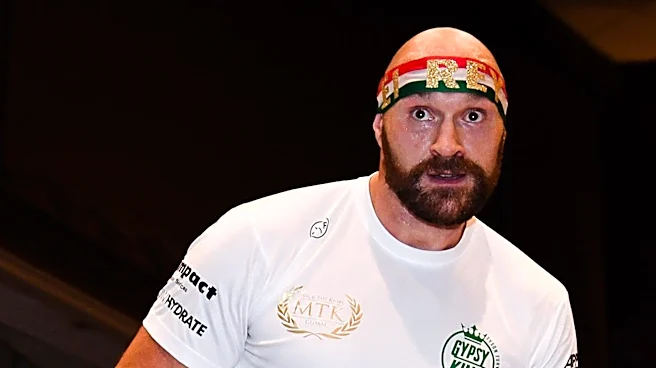
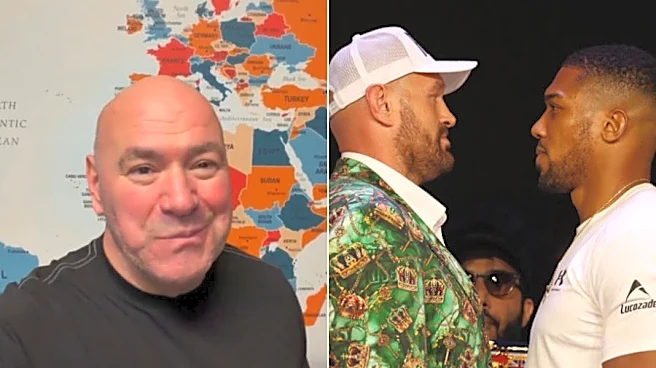
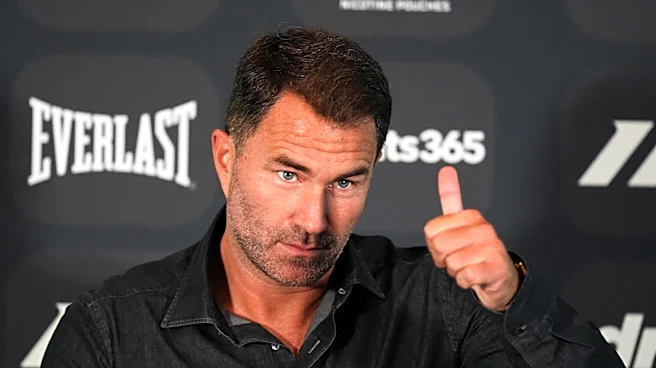
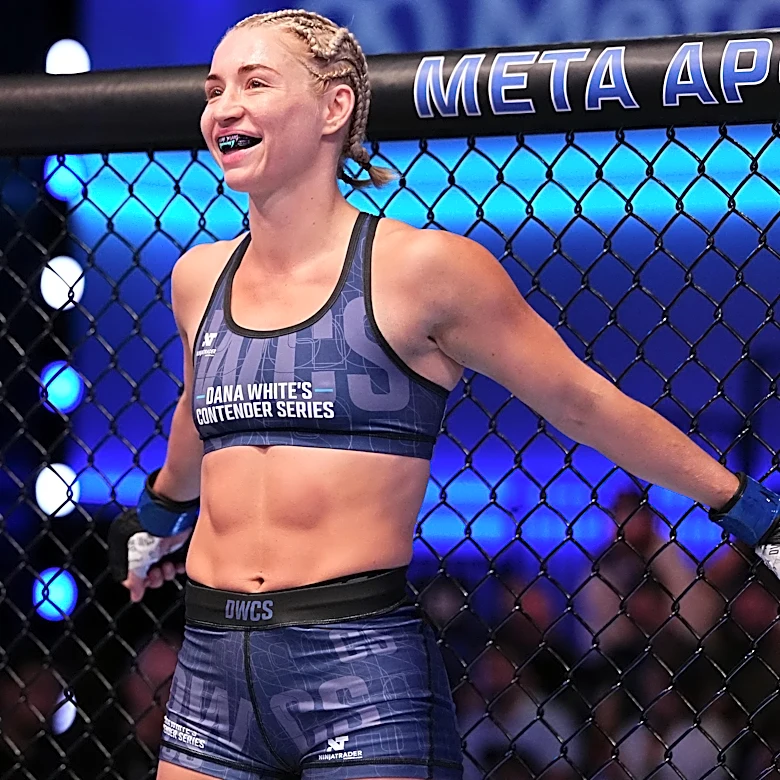
The UFC will continue to host weekly events globally, maintaining its consistent presence in the sports calendar. White's focus will likely remain on the upcoming negotiation of the new TV rights deal, which will be a pivotal moment for the organization's financial future. The current deal's expiration will trigger intense discussions with potential partners like Paramount, and the outcome will dictate the UFC's broadcasting landscape for years to come. Furthermore, White's ongoing public feuds, such as the one with Eddie Hearn regarding the Tyson Fury vs. Anthony Joshua fight, suggest continued engagement in high-profile boxing events, potentially expanding the UFC's influence beyond MMA. The organization will also continue to scout and sign new talent through platforms like Dana White's Contender Series, ensuring a fresh influx of fighters into the roster.
Beyond the Headlines
The ambition for a $10 billion TV rights deal reflects a broader trend in sports where media rights are becoming increasingly valuable assets, driving significant consolidation and competition among streaming services and traditional broadcasters. This pursuit highlights the evolving monetization strategies in sports, moving towards larger, more exclusive content deals. White's personal revelations, while seemingly separate from business, can influence public perception and brand loyalty. The narrative of overcoming personal adversity and building an empire from the brink of bankruptcy resonates with the entrepreneurial spirit often celebrated in American business culture. The dynamic between White and Ari Emanuel also illustrates the complex interplay of creative vision and financial backing in large-scale entertainment ventures, where strategic partnerships are essential for achieving monumental goals and navigating the competitive landscape of global sports.