






What's Happening?
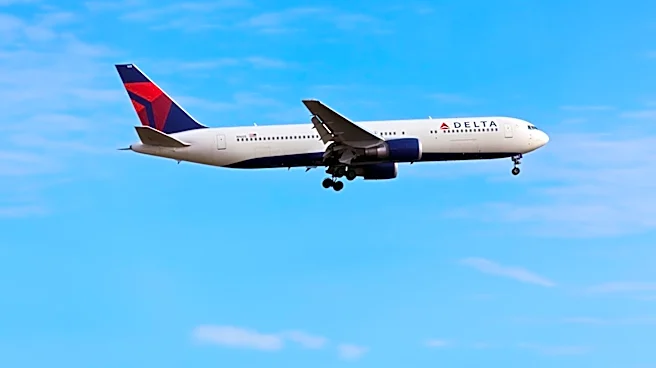
Delta Air Lines has established a new corporate agreement with Virginia Commonwealth University (VCU), providing exclusive discounts and enhanced perks for VCU business travelers. This partnership aims to make university travel more efficient, comfortable,
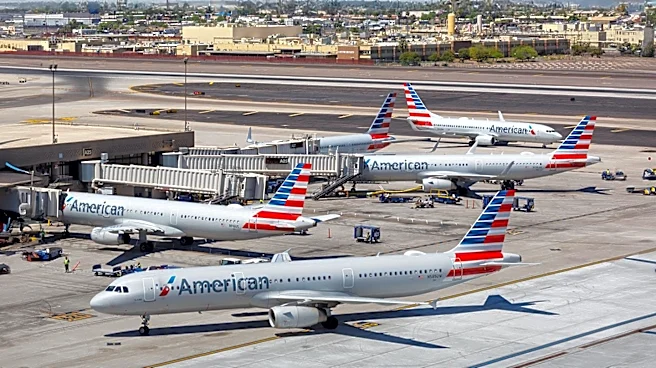
and cost-effective for faculty and staff. The benefits include upfront airfare discounts on flights originating from the U.S., complimentary preferred seating, priority boarding, and priority disruption recovery during delays or cancellations. These advantages apply not only to Delta flights but also to those operated by its primary global alliance partners, such as Air France, KLM, Virgin Atlantic, Aeromexico, LATAM, Korean Air, and China Eastern. To access these corporate discounts and priority statuses, VCU travelers must book through standard VCU travel channels, as benefits cannot be applied retroactively or to flights booked outside approved university tools. This new agreement complements VCU's existing corporate partnerships with Southwest Airlines and American Airlines, expanding the university's portfolio of competitive corporate rates and flexible travel options for both domestic and international travel.
Why It's Important?
This partnership is significant for VCU as it enhances the travel experience and reduces costs for its business travelers, directly impacting the university's operational efficiency and budget management. By securing exclusive discounts and perks, VCU can allocate resources more effectively, potentially freeing up funds for other academic or research initiatives. For Delta Air Lines, such corporate agreements strengthen its market position and customer loyalty within the academic sector, a segment that often involves frequent and diverse travel needs. The inclusion of global alliance partners like Aeromexico further extends Delta's reach and offers a more comprehensive travel network, making it a more attractive option for institutions with international travel requirements. This trend of universities forming strategic partnerships with major airlines reflects a broader effort to optimize travel expenditures and provide better services for their communities, influencing how other large organizations might approach corporate travel arrangements.
What's Next?
VCU Procurement Services plans to continue expanding its travel portfolio by actively negotiating with other major legacy carriers. This indicates a strategic effort to provide the most comprehensive, flexible, and affordable travel network possible for the university community. As these negotiations progress, VCU travelers can anticipate further updates and potentially more options for their business travel needs. For Delta Air Lines and its alliance partners, the success of this partnership with VCU could serve as a model for engaging with other large institutions, potentially leading to similar agreements across the U.S. academic and corporate sectors. The immediate availability of these new Delta benefits means VCU business travelers can begin utilizing them for approved travel plans, with the university encouraging them to book through the designated travel portal.
Beyond the Headlines
The strategic alliance between VCU and Delta Air Lines, including its global partners like Aeromexico, highlights a growing trend in institutional procurement where comprehensive travel solutions are sought to manage complex logistical and financial demands. Beyond mere cost savings, such partnerships foster greater efficiency in academic and research endeavors by streamlining travel processes and reducing administrative burdens. The emphasis on priority services, such as boarding and disruption recovery, underscores a recognition of the value of time and productivity for business travelers. This approach could influence how other large organizations, both public and private, structure their corporate travel policies, moving towards integrated solutions that prioritize both cost-effectiveness and traveler experience. The competitive landscape among airlines for securing these large institutional contracts is likely to intensify, leading to more innovative offerings and potentially better deals for organizations that can leverage their collective travel volume.