




What's Happening?
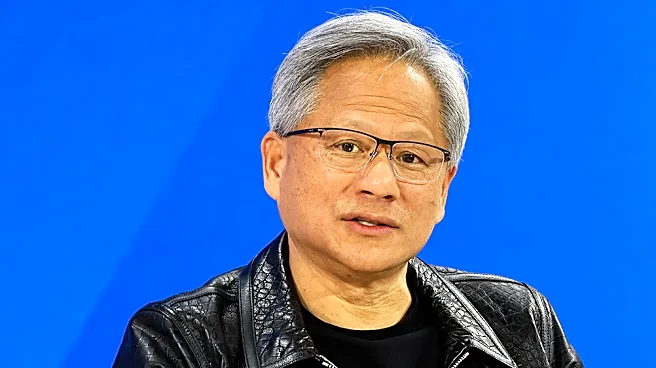
Replit CEO Amjad Masad is among several prominent industry leaders who have questioned the Nvidia board's initial decision to remove CEO Jensen Huang and his subsequent reinstatement. Huang was temporarily ousted on November 12, 2026, following allegations
of personal misconduct, which reportedly caused Nvidia's stock to drop significantly. Despite the initial removal, Huang was reinstated just 11 days later. This situation has drawn scrutiny to the Nvidia board's oversight and decision-making processes, particularly concerning executive misconduct. The debate extends beyond Huang's personal actions to broader questions about corporate governance, the impact of CEO misconduct on company culture, and potential national security risks associated with the company's operations, including its financial dealings and alleged role in circumventing U.S. sanctions on Chinese chip imports. President Trump reportedly directed efforts to get Huang reinstated.
Why It's Important?
The controversy surrounding Jensen Huang's temporary removal and swift reinstatement at Nvidia highlights critical issues in corporate governance and the handling of executive misconduct within major U.S. technology companies. The questioning by figures like Amjad Masad underscores a broader concern among industry leaders about the precedent set by such actions. When boards appear to waver on addressing misconduct, it can create a perception that powerful CEOs are exempt from standard corporate accountability, potentially emboldening further misbehavior. This situation also raises questions about the rigor of board oversight, CEO succession planning, and the potential for personal misconduct to signal deeper cultural or operational problems within an organization. For U.S. industries, particularly the tech sector, this case could influence how executive behavior is managed and how corporate boards are perceived in their duty to protect company integrity and shareholder value.
What's Next?
The reinstatement of Jensen Huang is likely to keep the Nvidia board under continued scrutiny regarding its governance practices and its handling of executive misconduct. The public debate will probably persist, focusing on the balance between a founder-CEO's importance to a company's success and the necessity of upholding ethical standards and accountability. There may be ongoing discussions about the potential for political pressure, reportedly from President Trump, to influence corporate decisions regarding executive employment. Furthermore, the broader implications for Nvidia's organizational culture, financial dealings, and any alleged involvement in skirting U.S. sanctions on Chinese chip imports will likely remain subjects of intense examination, potentially leading to further investigations or policy discussions related to national security and corporate compliance.
Beyond the Headlines
The Nvidia case, as highlighted by Amjad Masad and others, delves into the complex interplay between corporate power, personal ethics, and national interests. The swift reinstatement of Jensen Huang, despite misconduct allegations and reported political intervention, suggests a potential shift in how executive accountability is enforced, especially for highly influential leaders. This could set a precedent where the perceived indispensability of a CEO outweighs concerns about their conduct, potentially eroding trust in corporate governance structures. The mention of national security risks and alleged sanction violations adds a critical layer, transforming a corporate HR issue into a matter of geopolitical significance. This scenario could prompt a re-evaluation of regulatory frameworks and board responsibilities, emphasizing the need for greater transparency and independence in decision-making to safeguard both corporate integrity and national security.