


What's Happening?
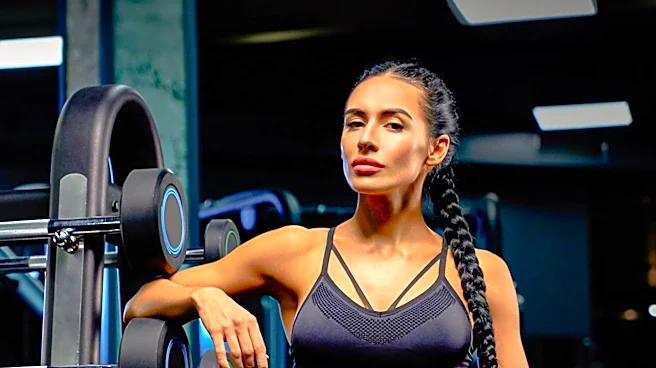
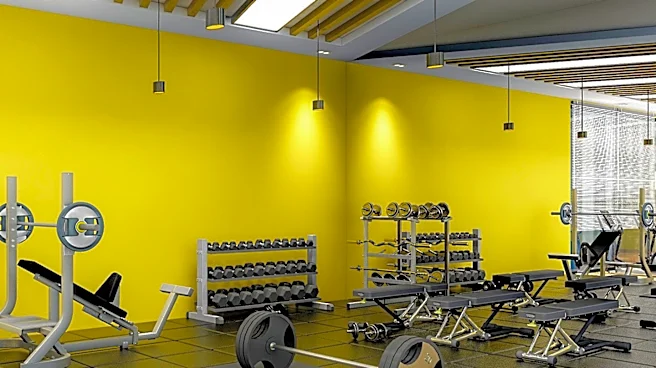
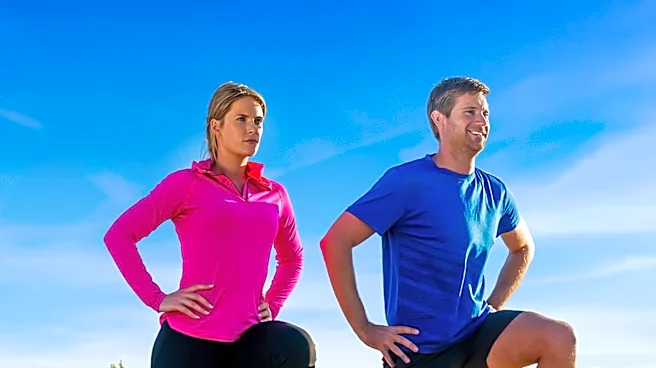
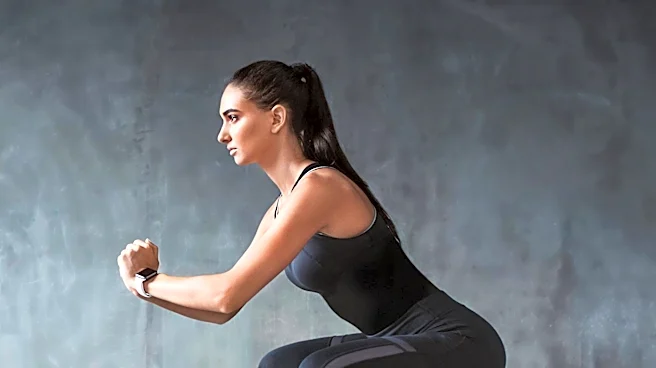
Gym culture, often characterized by an unspoken dress code of leggings, sports bras, and fitted tops, is seeing a discussion emerge around the use of shapewear. Many women are opting to wear shapewear under their gym attire to feel more comfortable and confident
during workouts. This practice is driven by various factors, including the desire for a smooth layer under fitted gym wear, a feeling of being 'held and contained' during movement, and light abdominal compression for core exercises. The perception that gym clothing should be purely functional often leads women to quietly adopt this practice or question its appropriateness. However, proponents argue that if shapewear enhances comfort and confidence, making individuals more likely to attend and continue their fitness routines, it serves a valid purpose. The key lies in selecting appropriate shapewear—light to medium compression, breathable, moisture-wicking fabrics, and seamless construction—to avoid discomfort or restricted movement during exercise.
Why It's Important?
This trend highlights a significant aspect of personal comfort and self-perception within public fitness spaces. For many women, the gym environment, with its mirrors and close proximity to others, can be body-conscious and potentially intimidating. The use of shapewear, when chosen correctly, can transform this experience by providing a sense of security and confidence, thereby fostering greater participation and consistency in fitness activities. This shift challenges the traditional, purely functional view of gym attire, emphasizing the psychological benefits of feeling good while exercising. It also points to a broader consumer demand for athletic wear that not only performs but also contributes to personal well-being and self-assurance. The market for fitness apparel may see an increased demand for products that integrate light compression and supportive features, blurring the lines between traditional shapewear and activewear.
What's Next?
The evolving understanding of gym attire and personal comfort could lead to innovations in activewear design. Manufacturers may begin to incorporate subtle shaping and supportive elements into their athletic clothing lines, catering to the desire for both functionality and confidence. This could include more options for seamless, light-compression garments made from advanced breathable fabrics. Furthermore, fitness communities and trainers might increasingly acknowledge and validate personal preferences regarding gym wear, moving away from rigid, unspoken dress codes towards a more inclusive approach that prioritizes individual comfort and motivation. Educational initiatives could also emerge to inform consumers about the benefits of appropriate shapewear for different types of workouts, ensuring safety and maximizing comfort.
Beyond the Headlines
The discussion around shapewear in gyms touches upon deeper societal perceptions of body image and self-acceptance in public spaces. It underscores the ongoing pressure many individuals, particularly women, feel to conform to certain aesthetic standards, even in environments ostensibly dedicated to health and performance. By embracing tools like shapewear for personal comfort, individuals are subtly reclaiming agency over their bodies and how they choose to present themselves. This trend could contribute to a more nuanced understanding of 'fitness' that extends beyond physical performance to include mental and emotional well-being. It also prompts a re-evaluation of what constitutes 'appropriate' attire in various social contexts, suggesting a move towards greater personalization and individual choice in fashion, even in highly functional domains like athletic wear.