

What's Happening?
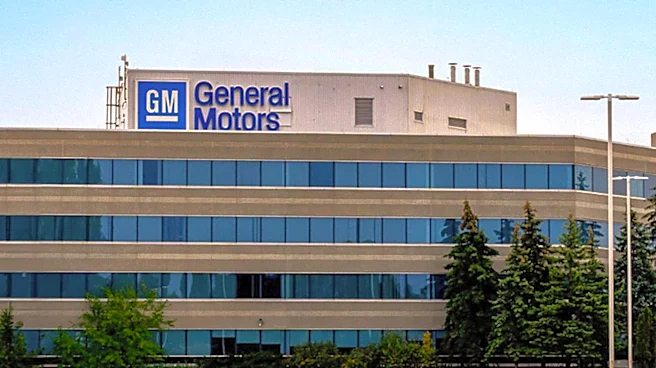
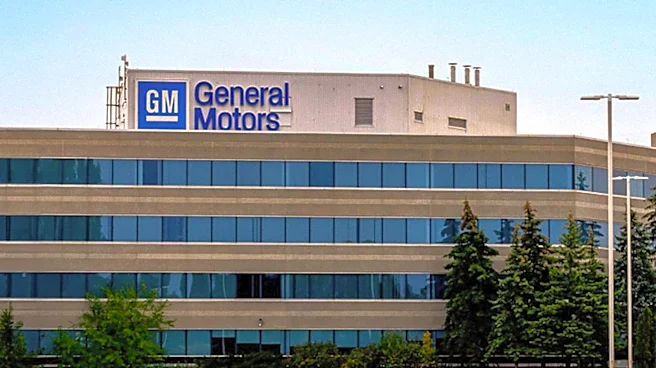
General Motors (GM) is reportedly evaluating Sterling Anderson, its global product chief, as a potential successor to current CEO Mary Barra. While no official decision has been announced, discussions within GM's board of directors are underway regarding
the timing and terms of Barra's eventual departure, who has been in her role since January 2014. Anderson, 43, joined GM less than 18 months ago after co-founding Aurora Innovation, a company specializing in autonomous driving technologies. His background in automotive software and autonomous systems aligns with GM's strategic focus on these areas. The board believes that the next leader of GM will need a strong grasp of the technological advancements transforming the automotive industry, particularly embedded software, artificial intelligence, and autonomous driving systems. Anderson has already initiated efforts to accelerate vehicle development cycles and has reassembled parts of the autonomous driving teams, including former employees from GM's robotaxi unit, Cruise, which had been closed prior to his recruitment.
Why It's Important?
The potential succession of Mary Barra and the consideration of Sterling Anderson highlight a significant strategic shift within General Motors and the broader U.S. automotive industry. Anderson's expertise in software and autonomous driving signals GM's commitment to becoming a technology-driven company, moving beyond traditional manufacturing. This focus is crucial as the industry rapidly evolves with electric vehicles and advanced driver-assistance systems. For GM, prioritizing a leader with a strong technological background could accelerate its development of next-generation vehicles, such as the planned Cadillac capable of fully autonomous operation by 2028. This move could position GM more competitively against tech-centric automotive players. Investors and stakeholders will be closely watching this transition, as the choice of CEO will dictate the company's direction in a highly competitive and technologically advanced market. The emphasis on software and AI also suggests a potential shift in the skill sets valued at the highest levels of automotive leadership.
What's Next?
The General Motors board of directors is actively exploring various scenarios for Mary Barra's succession, including the possibility of her extending her tenure beyond late 2026 or transitioning to an executive chairman role. While Sterling Anderson is a strong internal candidate, his relatively short time at GM raises questions about his readiness to manage a large workforce of engineers and unionized employees. The board is also considering other internal candidates, such as Paul Jacobson, the current CFO, and Mark Reuss, the company president. Additionally, GM has engaged the specialized firm Heidrick & Struggles to evaluate external candidates, indicating a comprehensive search process. Anderson has reportedly participated in individual interviews with board members, though the specifics of these discussions remain undisclosed. A definitive decision on Barra's successor is not imminent, and the timeline and nature of the transition will depend on the board's final deliberations.
Beyond the Headlines
The ongoing discussions at General Motors regarding Mary Barra's succession and the strong consideration of Sterling Anderson reflect a deeper transformation within the automotive sector. This shift underscores the increasing importance of software and artificial intelligence as core competencies, moving beyond traditional mechanical engineering. The industry is grappling with ethical and legal implications of autonomous driving, as well as the cultural shift required to integrate tech talent into established manufacturing giants. The choice of CEO will not only impact GM's product roadmap but also its corporate culture, potentially fostering a more agile and software-centric development environment. This development could set a precedent for other legacy automakers, influencing how they approach leadership transitions and strategic priorities in an era defined by rapid technological change and the convergence of automotive and tech industries.