






What's Happening?
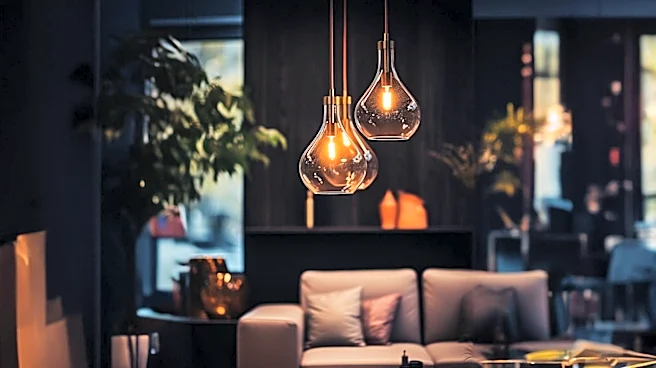
The color temperature of lighting significantly influences the atmosphere and functionality of interior spaces. Warm light, ranging from 2200K to 3000K, is ideal for creating cozy and intimate environments, often used in living rooms and bedrooms to mimic
sunset tones and promote relaxation. In contrast, neutral light (3000K-4000K) offers a balanced and natural illumination, making it suitable for offices and kitchens where focus and productivity are desired, while also reducing eye strain. Cool light (5000K-6500K) closely resembles natural daylight and is best for detailed tasks and display areas, increasing alertness and concentration, and is commonly found in medical and industrial settings. Understanding these distinctions is crucial for effective lighting design.
Why It's Important?
The strategic application of different light temperatures holds significant importance for various U.S. industries and public well-being. In commercial settings, appropriate lighting can boost productivity in workspaces and enhance the presentation of merchandise, directly impacting business success. For instance, retail environments can utilize cool light to highlight products, while office spaces can benefit from neutral light to improve employee focus. In residential contexts, the right lighting supports the natural circadian rhythm, contributing to better sleep and overall health. This understanding allows designers and consumers to create spaces that not only look appealing but also support human well-being and function, influencing everything from home comfort to workplace efficiency.
What's Next?
As awareness of the impact of lighting on human well-being grows, the trend towards more sophisticated and customizable lighting solutions is expected to continue. Future developments may include increased integration of smart lighting systems that can automatically adjust color temperature throughout the day to align with natural light cycles, further supporting circadian rhythms. Businesses and homeowners are likely to invest more in lighting designs that offer flexibility and control, allowing them to easily switch between warm, neutral, and cool light settings to suit different activities and moods. This will likely drive innovation in lighting technology, leading to more energy-efficient and user-friendly options that prioritize both aesthetics and functionality.
Beyond the Headlines
Beyond the immediate benefits of mood and productivity, the nuanced understanding of light temperature touches upon deeper psychological and physiological implications. The human body's response to different light spectrums is deeply rooted in evolutionary biology, where natural light cues dictated sleep-wake cycles and activity levels. Manipulating these cues through artificial lighting can have profound effects on mental health, cognitive performance, and even emotional states. For example, prolonged exposure to cool, blue-rich light in the evenings can disrupt melatonin production, impacting sleep quality. Conversely, the absence of sufficient bright light during the day can lead to seasonal affective disorder. Therefore, lighting design is not merely an aesthetic choice but a critical factor in creating environments that foster optimal human health and psychological well-being, influencing everything from stress levels to overall quality of life.