





What's Happening?
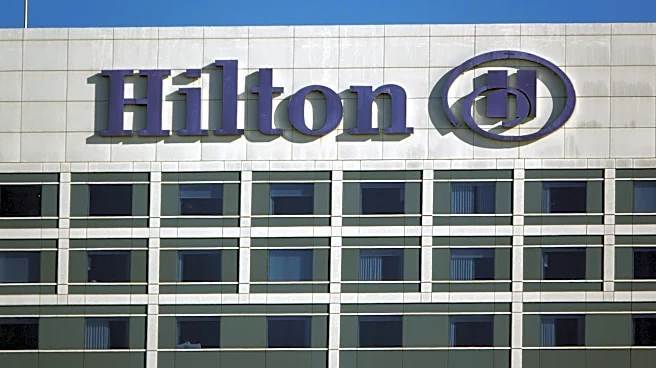
Chris Nassetta, CEO of Hilton, has acknowledged a weakening of activity in the Middle East for the hotel industry, though he notes it is less pronounced than initially anticipated. This comes as major hotel groups, including Hilton and Marriott, demonstrate
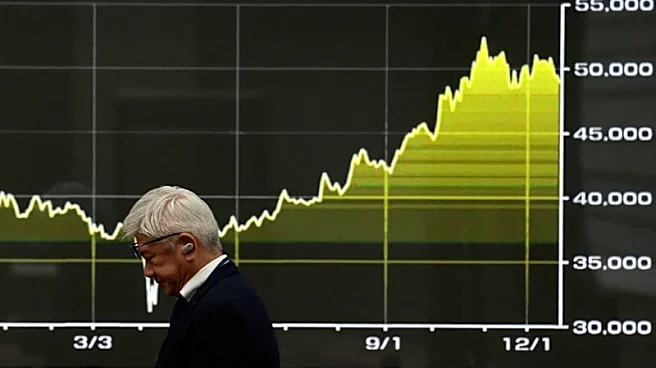
remarkable resilience despite geopolitical turbulence, rising prices, air travel disruptions, and conflicts in the Middle East. Since the beginning of 2026, the top ten listed hotel groups have collectively gained approximately $50 billion in market capitalization, with their stock performance outperforming the S&P 500 index. Marriott has raised its annual revenue per available room (RevPAR) growth forecast to a range of 4.5% to 5%, while Hilton projects a 4% to 4.5% increase, up from a previous 3% to 3.5%. Hyatt has also improved its 2026 outlook, even with softer demand in some Gulf destinations. This resilience is partly attributed to affluent travelers prioritizing high-end stays, while more modest households are reducing discretionary spending.
Why It's Important?
The continued strong performance of major U.S. hotel chains like Hilton and Marriott, despite global geopolitical challenges, highlights the robust demand for leisure travel, particularly among higher-income consumers. This trend suggests a significant shift in consumer spending priorities, where travel and experiences are maintained even as other discretionary expenses are cut. For the U.S. economy, this indicates a resilient travel and tourism sector that can act as a buffer against broader economic slowdowns. The outperformance of hotel stocks compared to the S&P 500 signals investor confidence in the long-term profitability and stability of these companies. However, the acknowledged weakening in the Middle East, even if less than expected, underscores the vulnerability of the global travel industry to regional conflicts and their potential to disrupt international travel patterns and fuel costs, impacting airline operations and overall travel accessibility.
What's Next?
The hotel industry will likely continue to monitor geopolitical developments, particularly in the Middle East, as these events can influence travel patterns and operational costs. While the current trend shows resilience, especially in leisure travel, the industry will need to adapt to potential shifts in destination preferences and consumer behavior. Companies like Booking Holdings are already observing that travelers are more inclined to change destinations rather than cancel vacations entirely, suggesting a need for flexible booking options and diverse offerings. The focus on high-end travel may also lead to further investment in luxury accommodations and services. However, the warning from Booking about a potential slowdown in bookings in Europe and the Middle East for the fourth quarter indicates that the industry must remain agile and prepared for localized downturns, even as overall demand remains strong.
Beyond the Headlines
The sustained demand for travel, particularly high-end leisure, amidst global uncertainties points to a deeper societal value placed on experiences and personal well-being. This trend suggests that for a segment of the population, travel has become a non-negotiable expenditure, even in the face of economic pressures. This could lead to a widening gap in the travel market, with premium segments thriving while budget-friendly options face greater challenges. The ability of hotel groups to navigate geopolitical shocks by adapting to changing traveler preferences, such as shifting destinations, highlights the industry's evolving strategies for risk mitigation. Furthermore, the strong stock market performance of these companies, driven by anticipated future profits rather than immediate revenue increases, indicates a forward-looking investor sentiment that believes in the enduring appeal and growth potential of the hospitality sector, despite short-term disruptions.