





What's Happening?
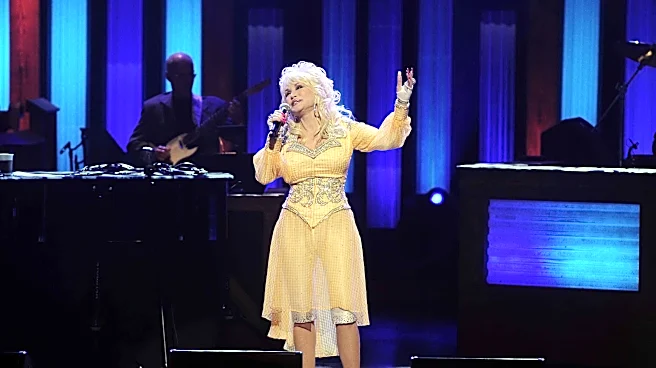
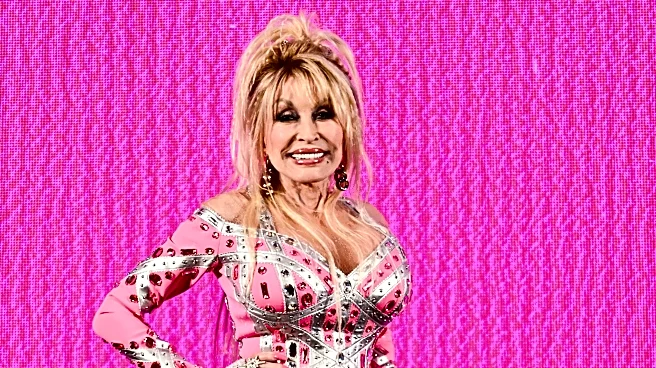
In 1974, Dolly Parton released "Love Is Like a Butterfly," which quickly became her third consecutive No. 1 single. This achievement followed her departure from Porter Wagoner's show and demonstrated her capability as a solo artist. The song later served
as the theme for her own television program, "Dolly!" Parton's career had been steadily growing throughout the 1960s and early 1970s, with hits like "Joshua" (1970) and "Coat of Many Colors" (1971). Her decision to leave The Porter Wagoner Show in early 1974, after releasing "Jolene" and "I Will Always Love You," solidified her independent trajectory. "Love Is Like a Butterfly," released on August 5, 1974, was her first single after the public end of her partnership with Wagoner, proving to the music industry and her audience that she could thrive without his direct support.
Why It's Important?
Dolly Parton's solo success with "Love Is Like a Butterfly" is a significant moment in country music history, highlighting an artist's ability to transition from a collaborative act to a dominant solo force. This period marked a crucial turning point in her career, establishing her as an independent and powerful figure in the entertainment industry. Her ability to secure multiple No. 1 hits and launch her own television show immediately after leaving a prominent partnership demonstrated her strong artistic vision and commercial appeal. This success not only cemented her individual stardom but also paved the way for future female artists to pursue independent careers in a male-dominated industry. It underscored the importance of artistic autonomy and the potential for artists to redefine their careers on their own terms.
What's Next?
Following the success of "Love Is Like a Butterfly" and the launch of her "Dolly!" TV show, Dolly Parton continued to build her empire in music, film, and business. Her television show provided a platform to further showcase her musical talents and the broader 'Nashville scene,' expanding her reach to a wider audience. This period set the stage for her continued evolution as a global icon, leading to numerous hit songs, acting roles, and philanthropic endeavors. Her independent success would allow her to explore diverse creative avenues and establish her brand beyond just music, influencing generations of artists and entrepreneurs.
Beyond the Headlines
The narrative of Dolly Parton's departure from Porter Wagoner's show and her subsequent solo triumph with "Love Is Like a Butterfly" carries deeper implications about artistic independence and gender dynamics in the entertainment industry. It symbolizes a breaking away from traditional mentorship structures to forge a unique path, demonstrating resilience and self-belief. This period also highlights the often-complex relationships between established artists and their protégés, and the challenges of asserting individual identity within a collaborative framework. Parton's success underscored that female artists could not only achieve but surpass previous career milestones independently, setting a precedent for artistic control and empowerment in a competitive industry.