









What's Happening?
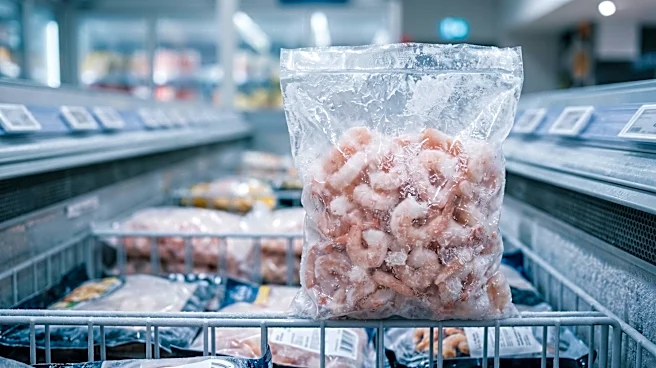
Walmart is currently facing a proposed class-action lawsuit alleging that its Great Value frozen shrimp products contain less seafood than advertised on the label. Illinois shopper Elijah Baptist claims that some bags of the frozen shrimp contain up to
11 percent less shrimp once the protective icy coating, known as 'glaze,' is removed. The lawsuit contends that consumers are effectively paying for this ice layer as if it were actual seafood. According to the complaint, the U.S. Food and Drug Administration (FDA) guidelines state that the weight of this glaze should not be included in the net weight of the seafood product. Baptist, who regularly purchased the shrimp for approximately three years, reportedly discovered the discrepancy after buying seafood for a party in June. The lawsuit highlights that a significant portion of the product's weight, approximately one-tenth, is attributed to this ice glaze. Walmart has responded by stating it has policies in place to ensure suppliers provide correctly labeled products and will address the complaint in court.
Why It's Important?
This lawsuit carries significant implications for consumer protection and retail transparency within the U.S. food industry. If the allegations are proven, it could indicate a widespread issue of deceptive packaging and pricing, where consumers are overpaying for products due to misleading weight declarations. The case underscores the importance of adherence to FDA regulations regarding food labeling, particularly for products that utilize protective glazes. For Walmart, a major retailer, a negative outcome could result in substantial financial penalties, reputational damage, and a potential mandate to revise its product labeling and quality control processes for frozen goods. This situation could also prompt other food manufacturers and retailers to review their own practices to ensure compliance and avoid similar legal challenges, ultimately benefiting consumers by promoting more accurate product representations and fair pricing across the market.
What's Next?
The class-action lawsuit is currently in its early stages, with Elijah Baptist seeking to represent Illinois consumers who purchased the Great Value shrimp. The legal proceedings will involve Walmart's formal response to the complaint and potentially a jury trial, as requested by Baptist. The court will need to determine whether Walmart's practices constitute unfair and deceptive business practices and if the product labeling violates FDA guidelines. Depending on the outcome, Walmart may be ordered to pay damages, provide restitution to affected consumers, and implement changes to its product manufacturing and labeling processes. This case could also set a precedent for how 'glazing' is accounted for in the net weight of frozen seafood products across the industry, potentially leading to broader regulatory scrutiny and adjustments in labeling standards.
Beyond the Headlines
Beyond the immediate legal and financial ramifications, this lawsuit touches upon broader ethical considerations regarding corporate responsibility and consumer trust. The practice of 'glazing' in frozen foods, while serving a legitimate purpose in preventing freezer burn, becomes problematic when it contributes to misleading weight claims. This case highlights the subtle ways in which product presentation can influence consumer perception and purchasing decisions. It also raises questions about the diligence of retailers in verifying the compliance of their private-label products with regulatory standards. The outcome could influence consumer behavior, encouraging shoppers to be more vigilant about product labels and net weights, especially for frozen goods. Furthermore, it could spur a re-evaluation of industry-wide practices for measuring and labeling products with protective coatings, potentially leading to clearer, more transparent standards that prioritize consumer information over perceived product value.