





What's Happening?
Milwaukee Brewers principal owner Mark Attanasio has revealed that the team experienced a "$20 million surprise" due to issues with local television broadcast deals. This financial impact stems from the closure of Main Street Sports, the former TV carrier
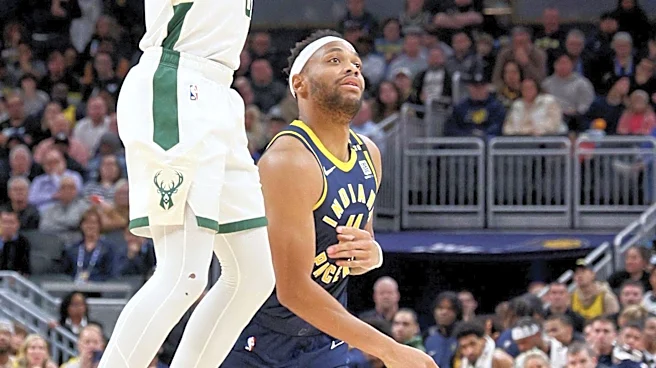
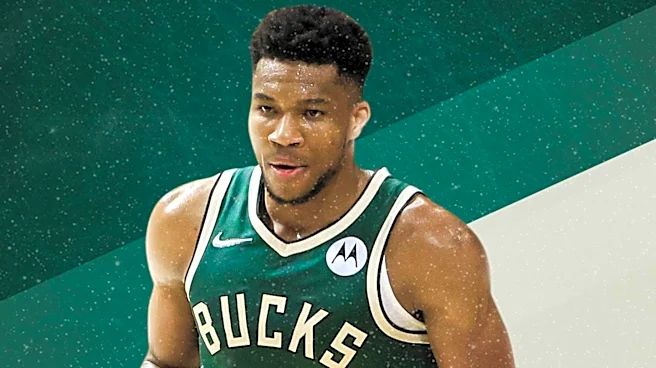
for the FanDuel Sports Wisconsin network, which previously oversaw the regional-sports network operation. Attanasio stated that bringing the broadcast operations in-house resulted in this significant financial hit. The Milwaukee Bucks, another Milwaukee-based team, have also been affected by shrinking local TV deals, leading them to broadcast all 82 regular season games for free on MY24 and statewide affiliates as an investment in their fanbase. This shift highlights a broader trend where more sports broadcasting revenue is moving towards larger national outlets, impacting local teams' financial models.
Why It's Important?
The $20 million revenue shortfall for the Milwaukee Brewers, as disclosed by owner Mark Attanasio, underscores a critical financial challenge facing professional sports teams, particularly those in smaller markets. The shift in sports broadcasting from regional sports networks to national platforms is disrupting traditional revenue streams, forcing teams to adapt their business models. For the Brewers, this unexpected loss could impact their operational budget, player acquisitions, and overall competitiveness, despite Attanasio's assurance of a strong investor group. The situation also highlights the vulnerability of teams to changes in media distribution and the increasing pressure to find alternative ways to engage fans and generate income. The Milwaukee Bucks' decision to offer free broadcasts is a direct response to this challenge, aiming to build fan loyalty and potentially attract new advertising revenue, but it also signifies a departure from lucrative regional TV contracts.
What's Next?
The Milwaukee Brewers will likely continue to explore new strategies to mitigate the financial impact of changing broadcast landscapes. This could involve innovative partnerships, direct-to-consumer streaming options, or increased reliance on other revenue streams such as ticket sales, sponsorships, and merchandise. The broader trend of national broadcasting outlets gaining dominance suggests that local teams will need to re-evaluate their long-term media rights strategies. The experience of both the Brewers and the Bucks could serve as a case study for other small-market teams grappling with similar issues. The league itself is reportedly focused on addressing these challenges, indicating that collective solutions or new league-wide broadcasting models might be on the horizon to ensure financial stability for all franchises.
Beyond the Headlines
The financial challenges faced by the Brewers and Bucks due to evolving broadcast models point to a significant transformation in how sports content is consumed and monetized. This shift has broader implications for the relationship between sports teams, their local communities, and media companies. As regional sports networks decline, the accessibility of local team broadcasts becomes a critical issue for fans, potentially impacting team engagement and the cultural fabric of sports-centric cities. The move towards free broadcasts, while a financial hit in the short term, could be seen as a long-term investment in fan base expansion and community goodwill, potentially creating new avenues for revenue through increased viewership and advertising. This situation also raises questions about the future of local sports journalism and the role of traditional media in covering professional teams, as content distribution becomes increasingly fragmented and digital-first.