









What's Happening?
A recent report from the Joint Center for Housing Studies of Harvard University reveals that the income required to afford a median-priced home in the U.S. has nearly doubled since 2020. The report, titled 'State of the Nation's Housing,' indicates that existing
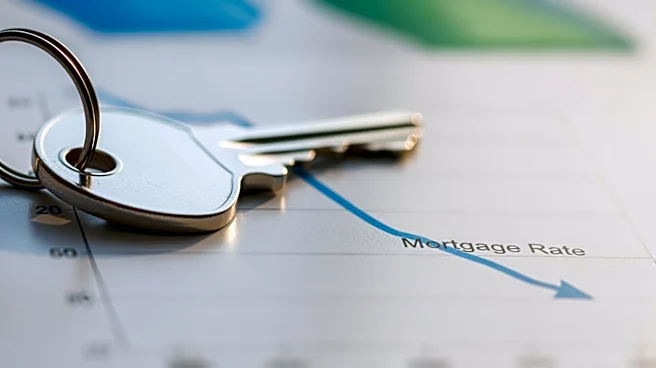
home sales are at their lowest in three decades, a trend that began in 2023. The median price for new and existing homes has surpassed $400,000, with existing home prices increasing by 54% since 2020. This price surge has resulted in the cost of a median-priced home rising to approximately five times the median income, a significant jump from the 1990s ratio of three times. Mortgage rates exceeding 6% have further exacerbated the situation, increasing the monthly payment for a median-priced home to $3,100 in late 2025, up from $1,700 in early 2020. Consequently, the income needed to afford such a home has risen from $66,000 in 2020 to over $120,000.
Why It's Important?
The findings of this report underscore a critical issue in the U.S. housing market: affordability. The dramatic increase in the income required to purchase a median-priced home highlights the growing economic divide and the challenges faced by potential homebuyers. This situation is compounded by high mortgage rates and a lack of affordable housing options, which are deterring many from entering the housing market. The report also points to broader economic uncertainties, such as slowing employment growth and declining consumer confidence, which are further suppressing housing demand. These factors collectively suggest a challenging environment for both current and prospective homeowners, potentially leading to long-term implications for the housing market and the broader economy.
What's Next?
The report suggests that without significant changes in housing policy or economic conditions, the trend of increasing home prices and required income levels may continue. Stakeholders, including policymakers and housing advocates, may need to address the underlying issues of supply shortages and high costs to improve affordability. Potential measures could include incentivizing affordable housing development and revising zoning regulations to increase housing supply. Additionally, monitoring economic indicators such as employment growth and consumer confidence will be crucial in assessing future housing market trends.