


What's Happening?
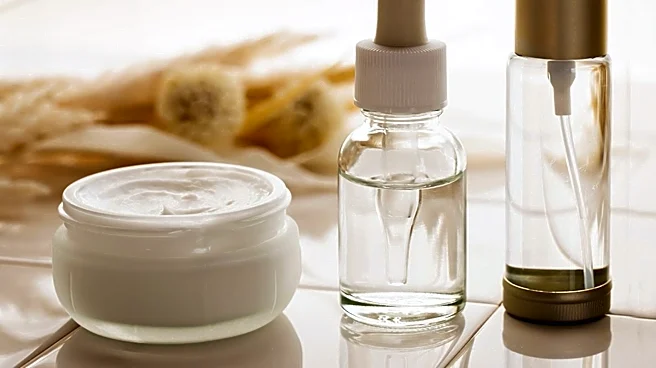
Overnight masks are being highlighted as a beneficial addition to a nighttime skincare routine, particularly for enhancing hydration and protecting the skin barrier. Unlike serums that are absorbed, an overnight mask functions as a sealing layer applied
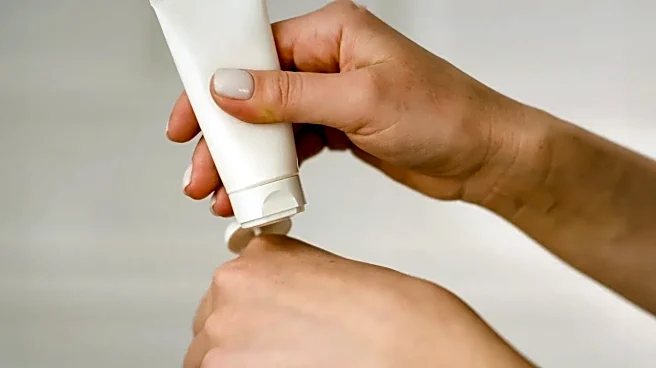
after moisturizer. Its primary role is to slow down transepidermal water loss (TEWL) while an individual sleeps, allowing the skin to retain moisture more effectively. This results in softer, dewier, and less tight skin by morning. Experts suggest applying a thin layer of an overnight mask two to four nights a week, especially after using strong active ingredients like exfoliating acids or retinoids, or in environments with dry air, such as air-conditioned rooms or during winter. The mask creates a protective film that helps seal in the benefits of previously applied serums and moisturizers, rather than delivering deep treatment itself.
Why It's Important?
The proper use of overnight masks is important for maintaining optimal skin health, especially in varying environmental conditions. By preventing excessive water loss during sleep, these masks contribute to a stronger skin barrier, which is crucial for protecting the skin from external aggressors and maintaining its overall integrity. This is particularly relevant for individuals experiencing dehydration, dullness, or sensitivity. For those using potent skincare actives, an overnight mask can provide a soothing and protective layer, mitigating potential irritation and supporting the skin's recovery process. The emphasis on strategic application—after serums and moisturizers, and not necessarily every night—helps consumers integrate this product effectively without over-burdening their skin. This approach promotes a more informed and tailored skincare regimen, moving beyond generic routines to address specific skin needs and environmental challenges.
What's Next?
As awareness of skin barrier health and targeted hydration grows, the market for overnight masks is likely to expand, with brands developing more specialized formulations for different skin types and concerns. Consumers may become more discerning in their choice of masks, looking for ingredients that support barrier function and provide effective sealing without feeling heavy or occlusive. Educational content will continue to guide users on the optimal placement of overnight masks within their routines, emphasizing the importance of layering and frequency of use based on individual needs and climate. There may also be an increased focus on breathable formulations, particularly for those in humid climates, to ensure comfort and prevent congestion. The integration of overnight masks into comprehensive skincare strategies will likely become a standard recommendation for those seeking enhanced hydration and skin resilience.
Beyond the Headlines
The rising popularity of overnight masks reflects a broader trend in skincare towards preventative and restorative care. Instead of solely addressing existing skin issues, consumers are increasingly adopting routines that proactively protect and strengthen their skin. This shift aligns with a holistic view of wellness, where consistent, gentle care is prioritized over quick fixes. The concept of 'sealing' in moisture also highlights the scientific understanding of skin physiology and the importance of maintaining the skin's natural barrier function. Culturally, it signifies a move towards more sophisticated and personalized skincare practices, where individuals are empowered to tailor their routines based on their unique skin conditions and lifestyles. This trend also underscores the influence of K-beauty innovations, which have long championed multi-step routines and specialized products like overnight masks for achieving optimal skin health.