



What's Happening?
As of August 6, 2026, mortgage rates in the U.S. have reached their highest levels in over a year. The average 30-year fixed-rate mortgage is now at 6.69%, up from 6.66% the previous week, according to Freddie Mac data. This increase is attributed to elevated
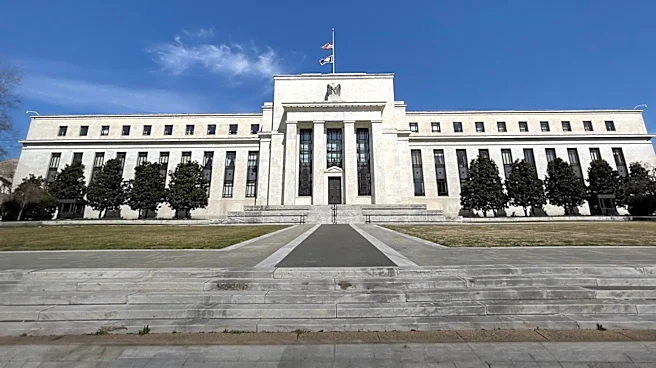
government bond yields, which mortgage rates closely follow. The rise in bond yields is linked to investor concerns about the Federal Reserve's ongoing efforts to combat inflation. Despite recent decreases in oil prices, which have slightly lowered yields, mortgage rates have not fully adjusted. Kara Ng, a senior economist at Zillow, noted some progress on geopolitical fronts, which has tempered the rise in daily mortgage rates.
Why It's Important?
The increase in mortgage rates has significant implications for the U.S. housing market and economy. Higher rates can deter potential homebuyers, leading to a slowdown in the housing market. This could impact related industries such as construction and real estate. Additionally, higher mortgage rates increase the cost of borrowing, which can affect consumer spending and overall economic growth. The Federal Reserve's actions to control inflation are crucial, as they influence both bond yields and mortgage rates. Stakeholders, including homebuyers, lenders, and policymakers, must navigate these changes carefully to mitigate potential negative impacts on the economy.
What's Next?
Looking ahead, the Federal Reserve's decisions on interest rates will be closely watched. If inflationary pressures persist, the Fed may continue to raise rates, which could further elevate mortgage rates. Conversely, if economic conditions improve, there may be room for rate stabilization or reduction. Homebuyers and investors will need to monitor these developments and adjust their strategies accordingly. Additionally, geopolitical developments, such as the reopening of the Strait of Hormuz, could influence energy prices and, subsequently, economic conditions, impacting mortgage rates indirectly.