


What's Happening?
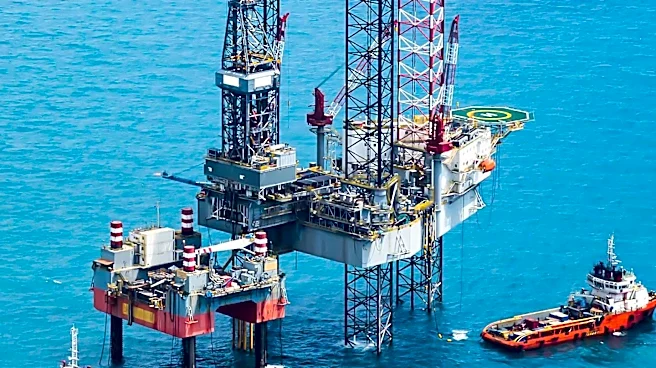
Oilfield services giant SLB is preparing to reactivate up to 15 drilling rigs in Venezuela, a move aimed at boosting the country's crude production. William Antonio, SLB's president for Mexico, Central America, and Venezuela operations, stated that all
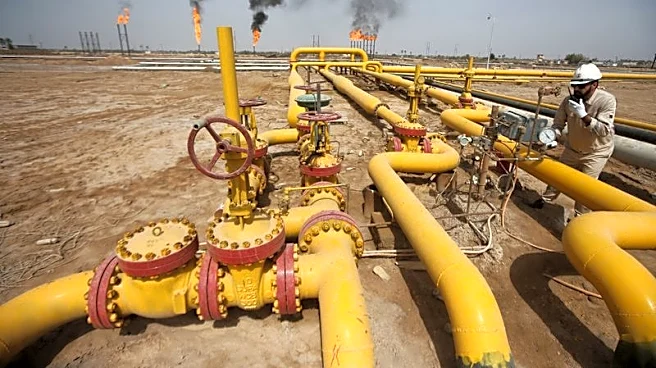
15 rigs could be operational within a year, with as many as four potentially returning to service before the end of 2026, depending on contracts with producers. This initiative comes as Venezuela seeks to rebuild its oil industry, which historically produced over 3 million barrels per day but currently has only two active onshore drilling rigs, according to Baker Hughes data. Despite possessing the world's largest proven crude reserves, Venezuela's current production capacity stands at approximately 1.25 million barrels per day. Chevron, a significant foreign producer in Venezuela, reported that its three joint ventures in the country reached around 280,000 barrels per day last month and anticipates a 50% increase by the end of 2028.
Why It's Important?
The reactivation of these drilling rigs is a critical step for Venezuela's oil industry, which has been severely hampered by sanctions, underinvestment, and infrastructure challenges. Increased oil production from Venezuela could have significant implications for global energy markets, potentially adding to supply and influencing international oil prices. For the U.S., a more stable and productive Venezuelan oil sector could offer an alternative source of crude, potentially reducing reliance on other regions and impacting U.S. energy policy. However, major obstacles persist, including difficulties in importing and transporting specialized equipment, power supply issues, and concerns over infrastructure, permits, and contractual protections. These challenges could constrain investment and limit the extent of production growth. The cautious stance of companies like ExxonMobil and ConocoPhillips, which cite the need for stronger investment and contractual protections, underscores the lingering risks and complexities of operating in Venezuela.
What's Next?
The immediate next steps involve SLB securing contracts with producers to reactivate the rigs, with the first four potentially returning to service by late 2026. The broader outlook for Venezuela's oil industry will depend on its ability to overcome persistent challenges such as infrastructure limitations, power supply instability, and the need for clearer contractual protections for foreign investors. The U.S. government's stance on sanctions and its diplomatic engagement with Venezuela will also play a crucial role in shaping the investment climate. If successful, this reactivation could lead to a gradual increase in Venezuela's crude output, potentially altering global oil supply dynamics. Conversely, if the existing obstacles are not adequately addressed, the ambitious production targets may remain out of reach, prolonging the country's economic struggles and limiting its impact on the international energy market.
Beyond the Headlines
The effort to revive Venezuela's oil production extends beyond mere economic figures; it touches upon the country's geopolitical standing and its relationship with international partners, including the U.S. A resurgence in oil output could provide the Venezuelan government with increased revenue, potentially influencing its domestic policies and regional influence. However, the historical context of political instability and economic mismanagement raises questions about the sustainability of any production gains and how the benefits would be distributed. The involvement of foreign companies like SLB and Chevron also highlights the complex interplay between international business interests and national sovereignty, particularly in resource-rich nations. The success or failure of this endeavor could set a precedent for future foreign investment in countries with challenging political and economic landscapes, impacting global energy security and the strategies of major oil companies.