







What's Happening?
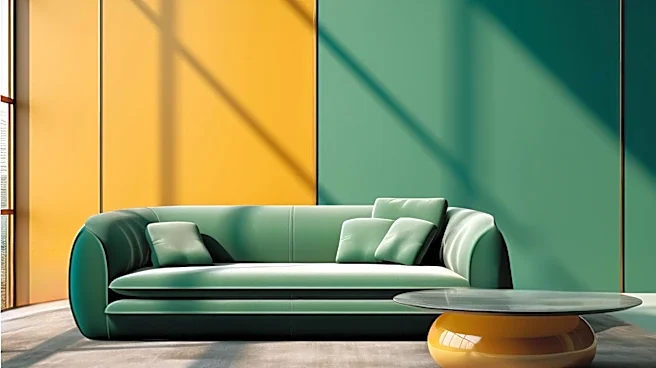
Color drenching, a popular interior design technique, involves painting both walls and ceilings the same color to create a seamless and expansive look. This method eliminates the visual break at the top of the wall, drawing the eye upward and making a room
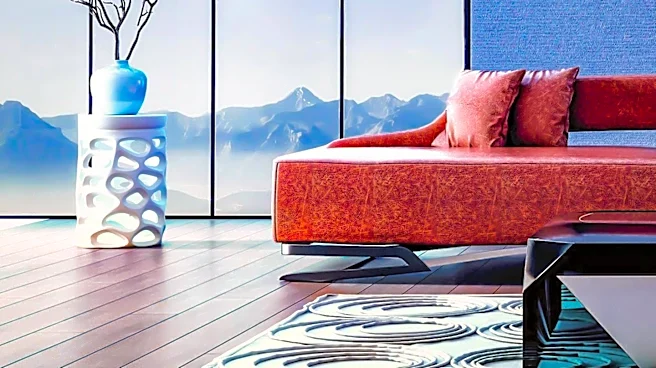
feel taller, according to Lisa Hudson, brand president for Fresh Coat Painters. For those seeking to brighten a room without a full color drench, lighter, neutral ceiling colors such as Sherwin-Williams' High Reflective White, Agreeable Gray, or Sea Salt are recommended. These lighter shades reflect more light, creating an illusion of boundless vertical space. When dealing with dark wood floors, selecting appropriate sofa colors is crucial for balance. Warm beige or light gray sofas complement warm-toned floors, while off-white or light gray works well with cool-toned floors. Lighter or softly patterned rugs can also help define boundaries in living rooms with dark flooring.
Why It's Important?
The application of color drenching and strategic paint choices holds significant importance for homeowners and interior designers in the U.S. It offers an accessible and cost-effective method to visually alter room dimensions without structural renovations. This technique can enhance the perceived value and aesthetic appeal of residential and commercial spaces, influencing real estate markets and design trends. For individuals living in homes with lower ceilings, this approach provides a practical solution to create a more open and airy environment, improving comfort and satisfaction. Furthermore, the careful selection of complementary colors for furniture and flooring, as highlighted by experts, ensures a cohesive and harmonious interior, which can impact consumer purchasing decisions for home furnishings and paint products. The emphasis on specific Sherwin-Williams colors also underscores the influence of major paint brands in shaping design preferences and product demand.
What's Next?
As color drenching continues to gain popularity, interior design professionals and paint manufacturers are likely to further promote and innovate around this technique. We can anticipate more educational content, design guides, and product lines tailored to facilitate color drenching and complementary color schemes. Homeowners may increasingly experiment with bolder color choices for both walls and ceilings, moving beyond traditional white ceilings. The trend could also lead to a greater demand for professional painting services specializing in these advanced techniques. Additionally, furniture retailers might adapt their offerings to better align with color-drenched interiors, providing more options that complement various floor and wall color combinations. The focus on creating expansive and cohesive spaces will likely drive continued interest in integrated design solutions.
Beyond the Headlines
Beyond its immediate aesthetic benefits, color drenching reflects a broader cultural shift towards creating more immersive and personalized living spaces. This design philosophy moves away from stark contrasts, favoring a more enveloping and harmonious environment that can influence mood and well-being. The psychological impact of color, where continuous hues can evoke feelings of calm and spaciousness, plays a significant role. Ethically, this trend encourages sustainable design practices by maximizing the visual impact of existing structures rather than resorting to extensive renovations. It also highlights the evolving relationship between consumers and their living environments, where design choices are increasingly seen as extensions of personal identity and lifestyle. The integration of color theory with practical application underscores a growing sophistication in home aesthetics, moving beyond mere decoration to a more thoughtful and intentional approach to space creation.