






What's Happening?
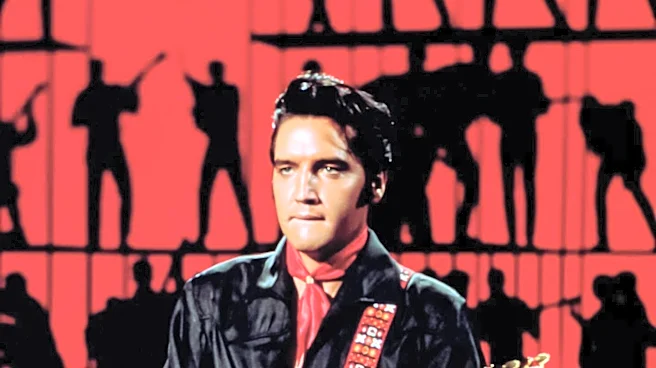
October 10 is a date rich with significant milestones in Top 40 music history, encompassing breakthrough hits, album releases, and cultural events. On this day in 1956, Elvis Presley's "Love Me Tender" entered the Billboard Top 100 chart, eventually reaching
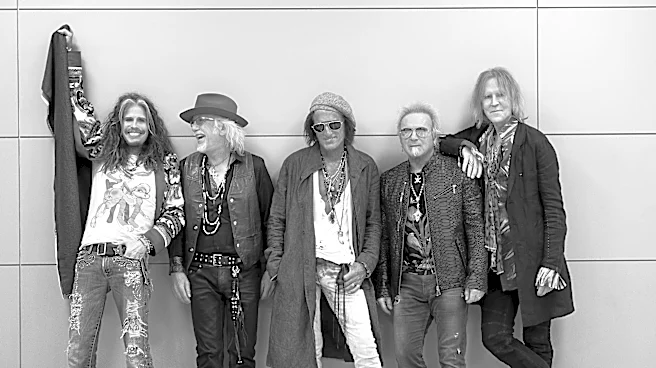
No. 1. In 1959, The Miracles' "Bad Girl" became Motown's first single to chart on the Hot 100. The Shangri-Las released their classic "Leader of the Pack" in 1964. Neil Diamond achieved his first U.S. No. 1 hit with "Cracklin' Rosie" in 1970. U2 launched their sixth studio LP, 'Rattle and Hum,' in 1988, which produced two Top 20 singles. KRS-One released his self-titled sophomore album in 1995, and No Doubt put out their breakthrough album 'Tragic Kingdom' the same year. Jay-Z and Beyoncé released "'03 Bonnie & Clyde" in 2002. Sting dropped 'Songs From the Labyrinth' in 2006. Notably, Radiohead released 'In Rainbows' in 2007 with a pay-what-you-want download model. BTS issued their sophomore album, 'WINGS,' in 2016. Cultural milestones on this date include the births of Midge Ure (1953), David Lee Roth (1954), Tanya Tucker (1958), and Mike Malinin (1967). An Aerosmith concert in Philadelphia in 1977 saw an M-80 thrown on stage, injuring Steven Tyler and Joe Perry. Industry changes include Orville Gibson founding the Gibson Mandolin-Guitar Company in 1902, and Los Angeles Mayor Tom Bradley declaring October 10 "Fleetwood Mac Day" in 1979.
Why It's Important?
The historical events of October 10 underscore the dynamic evolution of the U.S. music industry and its cultural impact. The charting of Elvis Presley's "Love Me Tender" marked a pivotal moment in the rise of rock and roll, solidifying his status as a cultural icon and influencing generations of musicians. The Miracles' "Bad Girl" entry into the Hot 100 was a foundational step for Motown, a label that would profoundly shape American music and civil rights. Neil Diamond's first No. 1 hit highlights the enduring appeal of singer-songwriters. Radiohead's 'In Rainbows' release with a pay-what-you-want model was a groundbreaking experiment in music distribution, challenging traditional industry practices and foreshadowing future digital consumption trends. The diverse range of artists and genres, from rock and pop to hip-hop and K-pop (BTS), reflects the broad appeal and constant innovation within the Top 40 landscape. These milestones collectively illustrate how music has mirrored and influenced societal changes, from the emergence of new genres to shifts in artist-fan relationships and business models.
What's Next?
While the source primarily focuses on historical events, the legacy of these milestones continues to influence contemporary music. The innovative distribution model pioneered by Radiohead with 'In Rainbows' has paved the way for various artist-led release strategies and direct-to-fan engagement, a trend that continues to evolve with new technologies and platforms. The enduring popularity of artists like Elvis Presley and Neil Diamond, whose music continues to be streamed and reinterpreted, suggests that their historical impact will persist. The ongoing influence of Motown's sound and business model can still be seen in modern R&B and pop. Future artists and industry professionals will likely continue to draw inspiration from these historical precedents, whether in terms of musical style, marketing, or fan engagement. The continuous re-evaluation and celebration of these historical moments, such as through documentaries, re-releases, and tributes, ensure their relevance for new generations of music lovers.
Beyond the Headlines
Beyond the immediate commercial success and chart positions, the events of October 10 reveal deeper cultural and technological shifts within the music industry. Radiohead's 'In Rainbows' experiment, for instance, was not just about a new pricing model but also a commentary on the perceived value of music in the digital age and the potential for artists to bypass traditional gatekeepers. This move sparked debates about intellectual property, artist compensation, and the future of record labels. The diverse array of artists achieving milestones on this day, from Elvis's rock and roll revolution to Motown's R&B influence and BTS's global K-pop phenomenon, illustrates music's role as a powerful vehicle for cultural exchange and social commentary. The founding of Gibson Mandolin-Guitar Company highlights the symbiotic relationship between musical innovation and technological advancements in instrument design. These historical moments collectively underscore music's capacity to reflect, shape, and challenge societal norms, demonstrating its profound and lasting impact on human experience.