



What's Happening?
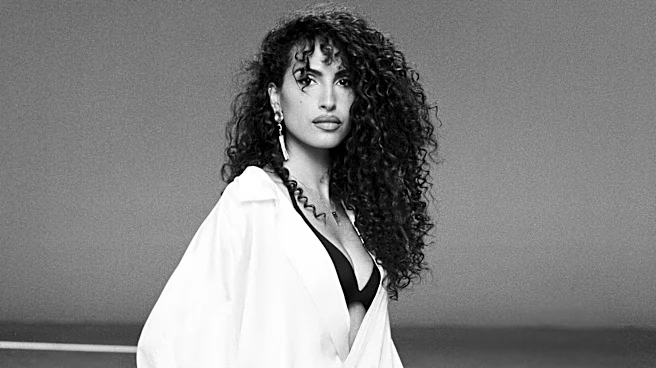
Nile Rodgers and Rebecca Ferguson have released their version of 'The Christmas Song,' accompanied by an AI-assisted music video. The collaboration, which began during the COVID-19 pandemic, has now become an official holiday release. The music video,
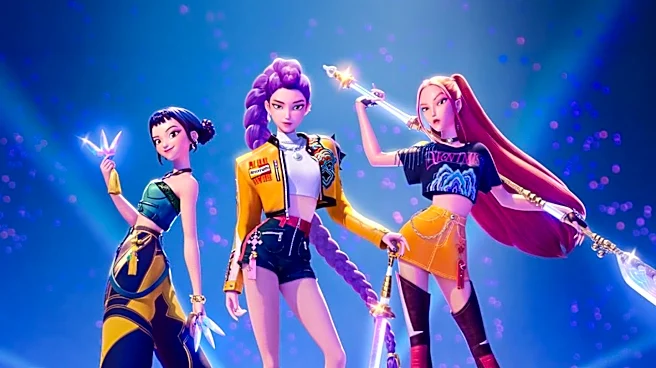
directed by Robbie Reddy, is fantasy-inspired and follows Rebecca Ferguson on a magical Christmas adventure, culminating in a musical finale featuring Nile Rodgers. The release of the video has generated controversy, as some fans criticized the use of artificial intelligence during its production when the project was first teased online. Nile Rodgers addressed the backlash, asserting that AI is merely another creative tool and emphasizing that the video's concept, storyboards, visuals, and final execution were still driven by human creativity. He urged audiences to view the finished product before making judgments, maintaining that the creative team remained heavily involved throughout the process.
Why It's Important?
The release of Nile Rodgers and Rebecca Ferguson's AI-assisted music video is important as it highlights the ongoing debate surrounding the role of artificial intelligence in artistic creation. This event brings to the forefront questions about authenticity, human creativity, and the acceptance of new technologies within the entertainment industry. While Rodgers defends AI as a tool, the backlash from fans reflects a broader concern among some audiences and artists about AI potentially diminishing the human element in art. This situation could influence how future artistic collaborations integrate AI, prompting discussions about ethical guidelines and the balance between technological innovation and traditional creative processes. The reception of this video may also set a precedent for how the public perceives AI-generated or AI-assisted content in mainstream media, impacting consumer preferences and industry practices.
What's Next?
The release of this AI-assisted music video is likely to fuel further discussions within the music and broader entertainment industries regarding the integration of artificial intelligence. We may see more artists experimenting with AI tools, leading to a wider range of opinions and creative approaches. The debate over AI's place in art is expected to continue, potentially prompting industry bodies to develop guidelines or best practices for its use. Stakeholders, including artists, producers, and technology developers, will likely continue to explore the capabilities and limitations of AI in creative projects. The public's reaction to this and future AI-assisted works will be crucial in shaping the trajectory of this technology in entertainment, influencing investment in AI tools and the types of content audiences are willing to embrace.
Beyond the Headlines
Beyond the immediate controversy, the use of AI in Nile Rodgers and Rebecca Ferguson's music video touches upon deeper implications concerning the future of artistic labor and intellectual property. As AI tools become more sophisticated, questions arise about the definition of authorship and originality in creative works. There are ethical considerations about whether AI-generated content truly reflects human emotion and experience, or if it merely mimics it. Legally, the ownership of AI-assisted creations could become a complex issue, particularly regarding copyright and royalties. Culturally, this development could lead to a re-evaluation of what constitutes 'art' and the value placed on human-made versus machine-assisted creations. This event serves as a microcosm of the broader societal shift towards integrating AI into various aspects of life, prompting a re-examination of human-technology collaboration and its long-term impact on creative industries.