



What's Happening?
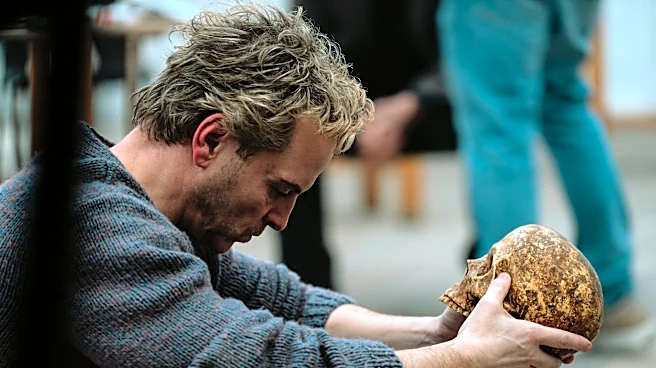
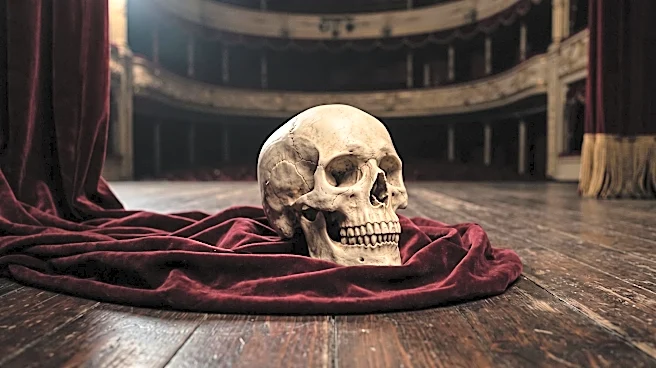
Nadia Stacey, the makeup department head for the film 'Elsinore,' discussed her approach to transforming actors Andrew Scott and Olivia Colman for their roles. The film tells the true story of actor Ian Charleson, who performed his final role while dying
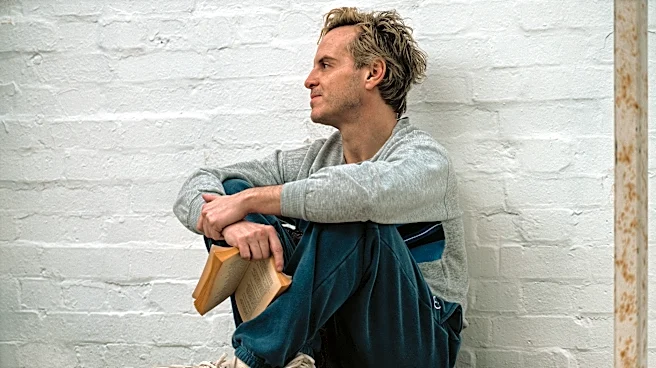
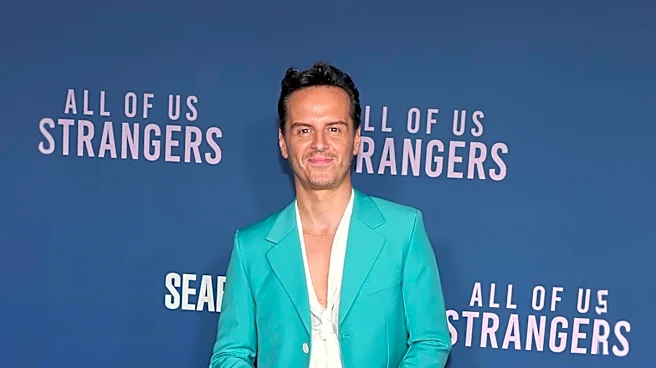
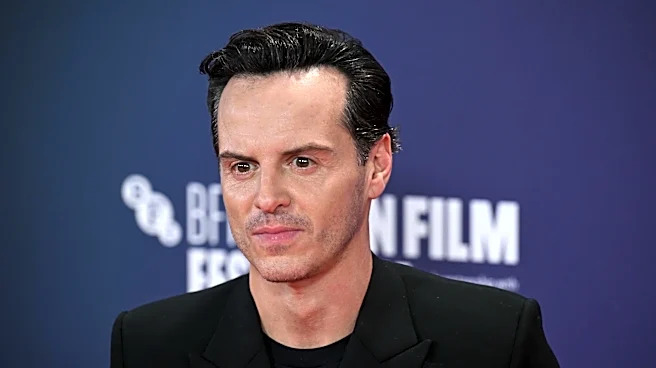
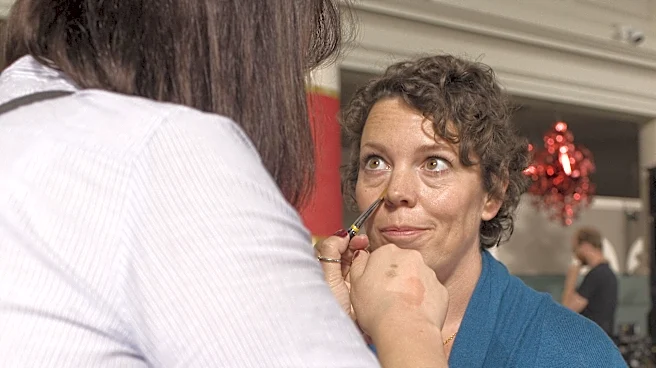
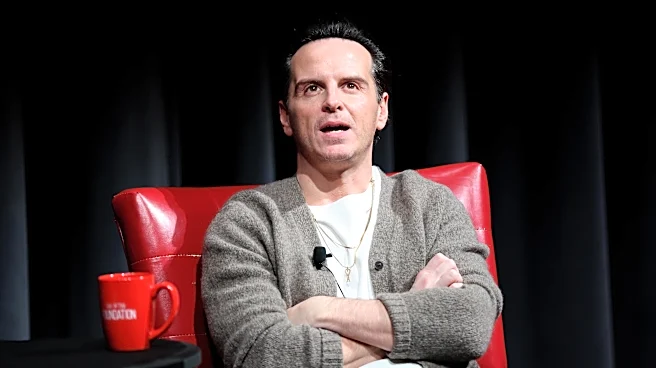
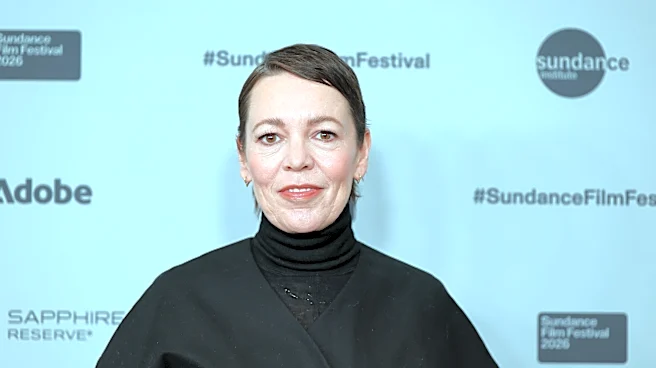
of AIDS in the 1980s. Stacey's work involved recreating the 1980s era authentically without resorting to clichés. For Andrew Scott's portrayal of Charleson, Stacey used blonde highlights and blue contact lenses to match Charleson's appearance, as Scott typically has dark hair and brown eyes. As Charleson's health declined in the film, Stacey discolored Scott's skin, added dark circles, and used tattoo transfers for sarcoma lesions. For Olivia Colman, who plays Dr. Margaret Johnson, Stacey focused on creating a realistic blonde bob wig to match Johnson's known appearance, ensuring it looked natural and did not distract from the story.
Why It's Important?
The meticulous work of makeup artists like Nadia Stacey is crucial in historical biopics such as 'Elsinore' for several reasons. Firstly, it ensures historical accuracy, allowing audiences to connect with the real individuals being portrayed. This authenticity can significantly enhance the emotional impact and credibility of the narrative, particularly when dealing with sensitive subjects like illness and mortality. Secondly, the subtle yet impactful transformations help actors fully embody their characters, enabling more profound performances. By avoiding clichéd representations of the 1980s, Stacey's approach ensures that the period setting supports rather than overshadows the human story. This attention to detail can elevate a film from a simple retelling to a powerful and immersive experience, contributing to its critical reception and audience engagement.
What's Next?
As 'Elsinore' is currently in theaters, the detailed insights into the makeup artistry provided by Nadia Stacey may contribute to ongoing discussions about the film's production and its impact. Such behind-the-scenes revelations often generate further interest in the movie, potentially attracting more viewers and influencing awards season considerations for technical categories like Best Makeup and Hairstyling. The film's focus on a real-life story and the dedication to authenticity in its portrayal could also spark broader conversations about the importance of historical accuracy in cinema and the role of makeup in character development. Furthermore, Stacey's recognized work at the Middleburg Film Festival suggests continued industry recognition for her craft, potentially leading to future high-profile projects.
Beyond the Headlines
The detailed makeup work in 'Elsinore' highlights the ethical considerations involved in portraying real individuals, especially those who faced significant health challenges. Stacey's emphasis on being 'sympathetic' to real people underscores the responsibility filmmakers have to represent their subjects with dignity and accuracy. The use of specific techniques to depict Charleson's declining health, such as discolored skin and sarcoma lesions, raises questions about how visual storytelling can convey the harsh realities of illness without sensationalizing or exploiting suffering. This approach contributes to a deeper understanding of the human experience, particularly the impact of diseases like AIDS during the 1980s. The film's casting of individuals who knew Charleson further blurs the lines between fiction and reality, adding layers of authenticity and emotional resonance that extend beyond typical cinematic portrayals.