








What's Happening?
David Hirsch, a prominent figure in the wine industry, passed away at the age of 81 due to respiratory failure in Santa Rosa, California. Hirsch was renowned for his transformative work in the Sonoma Coast wine region, particularly for his contributions
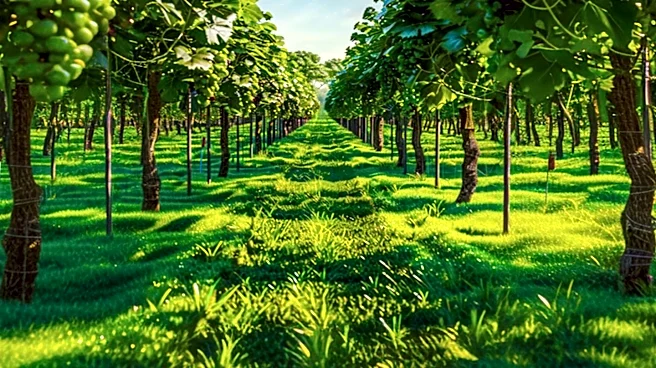
to the cultivation of Pinot Noir. In 1978, he purchased an 860-acre sheep ranch near Fort Ross, California, which he developed into Hirsch Vineyards. Over his 45-year career, Hirsch became known for his deep understanding of terroir, the unique combination of climate and soil that influences the character of wine. His dedication to exploring the complexities of the Sonoma Coast's terroir led to the production of some of the most acclaimed Pinot Noir wines in California. Hirsch's approach to winemaking was characterized by a focus on the land rather than individual stylistic preferences, a philosophy that continues to guide Hirsch Vineyards under the leadership of his daughter, Jasmine Hirsch.
Why It's Important?
David Hirsch's work has had a significant impact on the U.S. wine industry, particularly in elevating the reputation of California wines on the global stage. His pioneering efforts in the Sonoma Coast region have helped establish it as a premier location for Pinot Noir, attracting other winemakers and contributing to the area's economic development. Hirsch's emphasis on terroir and sustainable practices has influenced a generation of winemakers, promoting a deeper appreciation for the environmental factors that contribute to wine quality. His legacy continues to shape the industry, as Hirsch Vineyards remains a benchmark for excellence in winemaking. The loss of such a visionary figure is felt deeply within the wine community, but his contributions will continue to inspire and guide future generations.
What's Next?
Hirsch Vineyards, now under the stewardship of Jasmine Hirsch, is expected to continue its commitment to producing high-quality wines that reflect the unique terroir of the Sonoma Coast. The vineyard's focus on sustainability and ecological restoration, as envisioned by David Hirsch, will likely remain a priority. The wine industry may see increased interest in the practices and philosophies championed by Hirsch, as winemakers seek to balance innovation with respect for the land. Additionally, the broader wine community may honor Hirsch's legacy through events or initiatives that celebrate his contributions to the field.
Beyond the Headlines
David Hirsch's approach to winemaking was not only about producing exceptional wines but also about fostering a deeper connection to the land. His commitment to understanding and preserving the natural environment of the Sonoma Coast reflects broader cultural and ethical considerations within the wine industry. Hirsch's work highlights the importance of sustainable practices and the role of winemakers as stewards of the land. This perspective may encourage other industries to consider the long-term environmental impacts of their operations and the value of integrating ecological mindfulness into their business models.