
What's Happening?
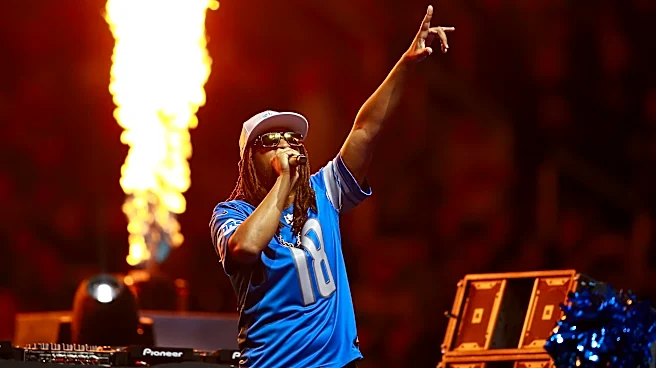
Lil Jon, the Atlanta music star known for his energetic hip-hop hits, has opened up about the profound grief he is experiencing following the death of his 27-year-old son, Nathan Smith, also known as DJ
Young Slade, in February. In an emotional conversation with Anderson Cooper, Lil Jon revealed a more vulnerable side, reflecting on a difficult conversation he had with his son about his health shortly before his passing. After discussing the exchange with his therapist, Lil Jon called Nathan to apologize and acknowledge his son's struggles. He later learned that this call deeply touched Nathan, providing Lil Jon with some comfort in knowing his son felt loved in their final conversation. Lil Jon also admitted that his busy schedule of performances and touring had sometimes prevented him from fully processing his grief. He is now advocating for others, particularly those who feel compelled to maintain a strong facade, to allow themselves to experience and express their emotions, emphasizing that it is acceptable to cry and grieve while continuing to live and honor those who have been lost.
Why It's Important?
Lil Jon's public sharing of his personal grief holds significant importance as it challenges societal norms that often discourage men, particularly those in high-profile positions, from openly expressing vulnerability and sorrow. His message that 'it’s okay to cry, it’s okay to grieve' can resonate deeply with individuals who feel pressured to suppress their emotions, potentially fostering a more open dialogue about mental health and emotional well-being. For his fanbase and the broader public, this candid disclosure humanizes a figure often associated with high-energy performances, creating a relatable connection through shared human experiences of loss. This can encourage others to seek support, engage in therapeutic processes, or simply grant themselves permission to feel and process their emotions, thereby contributing to a healthier emotional landscape within communities. His advocacy for emotional expression can also help destigmatize grief and mental health struggles, particularly within the entertainment industry and among demographics that may traditionally shy away from such discussions.
What's Next?
Following his public disclosure, Lil Jon is likely to continue using his platform to advocate for emotional openness and mental health awareness. His memoir, 'I Only Shout So You Can Hear Me,' which is now available, may further delve into his personal experiences, including his grief and reflections on life and career. This could lead to more interviews, discussions, and public appearances where he shares his journey and encourages others to embrace their emotions. His message may inspire other public figures to share their own struggles, potentially creating a ripple effect that normalizes conversations around grief and mental health. Additionally, his continued touring and performances might take on a new dimension, as audiences connect with his music through the lens of his recent vulnerability. This personal narrative could also influence future projects, potentially leading to music or other creative endeavors that explore themes of loss, healing, and emotional resilience.
Beyond the Headlines
Beyond the immediate news of Lil Jon's grief, his candidness touches upon deeper cultural and psychological implications. His experience highlights the often-overlooked burden of 'strong' public personas, where individuals feel compelled to maintain an image of invincibility, even in the face of profound personal tragedy. This can lead to delayed grief processing and potential long-term mental health challenges. His decision to speak out, particularly after seeking therapy and reflecting on his final conversation with his son, underscores the critical role of professional mental health support in navigating complex emotions. Furthermore, his story subtly critiques the fast-paced nature of the entertainment industry, where constant performance and touring can inadvertently create environments that hinder personal healing. His message serves as a powerful reminder that true strength lies not in suppressing emotions, but in acknowledging and processing them, fostering a more authentic and resilient self.