





What's Happening?
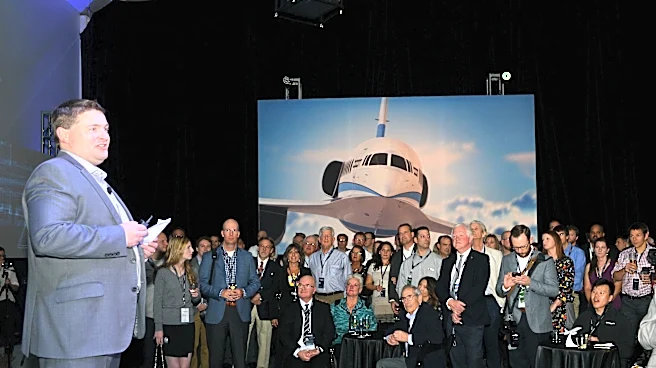
The International Air Transport Association (IATA) recently concluded its Global People Forum in Geneva, where aviation leaders and human resources professionals convened to discuss the future workforce needs of the industry in an era increasingly shaped
by artificial intelligence (AI). The two-day event, themed "The Changing People Agenda in an AI World," focused on the impact of AI on work, with delegates stressing the importance of embracing new technology while safeguarding essential human qualities within the industry. Discussions also covered strategies for identifying emerging skills, closing capability gaps, and establishing sustainable talent pipelines. Participants advocated for moving beyond traditional talent models to foster greater internal mobility and resilience among employees. Leadership, culture, and inclusion were also key topics, with speakers emphasizing the need to build trust during periods of transformation and ensure that the benefits of change are distributed equitably across the workforce.
Why It's Important?
This IATA forum is crucial for the U.S. aviation industry and its workforce, as it addresses the significant challenges and opportunities presented by AI integration. The discussions highlight the need for proactive workforce planning and training to ensure that employees can adapt to new technologies and responsibly utilize AI tools. For U.S. airlines and aviation companies, this means investing in upskilling and reskilling programs to maintain a competitive edge and ensure operational efficiency. The emphasis on protecting human qualities in the face of technological advancement underscores the irreplaceable value of human judgment, problem-solving, and customer service in the aviation sector. Failure to address these workforce challenges could lead to skill gaps, employee dissatisfaction, and potential disruptions in service, impacting the industry's ability to meet growing demand and maintain safety standards. The call for collaboration and sharing best practices is particularly relevant for U.S. aviation stakeholders seeking to navigate this complex transition effectively.
What's Next?
Following the IATA Global People Forum, it is expected that aviation companies, including those in the U.S., will intensify their efforts to integrate AI into their operations while simultaneously focusing on workforce development. This may involve developing new training programs, revising job descriptions, and fostering a culture of continuous learning. Airlines and aviation service providers are likely to explore innovative approaches to talent management, including internal mobility initiatives and strategies to enhance employee resilience. The insights from the forum will also likely influence industry-wide best practices and collaborative efforts to address the evolving demands of the AI era. Furthermore, discussions around leadership, culture, and inclusion suggest a focus on creating supportive work environments that embrace technological change while valuing human contributions, which could lead to new HR policies and organizational structures within U.S. aviation companies.
Beyond the Headlines
The IATA forum's focus on the aviation workforce in the AI era extends beyond immediate operational concerns, touching upon broader societal implications of technological advancement. The debate on embracing new technology while protecting human qualities reflects a fundamental tension in many industries facing automation. For the U.S., this conversation is part of a larger national dialogue about the future of work and the role of humans in an increasingly automated world. The emphasis on leadership, culture, and inclusion highlights the ethical dimension of AI deployment, ensuring that technological progress does not exacerbate inequalities or erode human dignity. This proactive approach by the aviation industry could serve as a model for other sectors grappling with similar challenges, demonstrating how to strategically manage the human element alongside technological innovation to achieve sustainable growth and societal benefit.