





What's Happening?
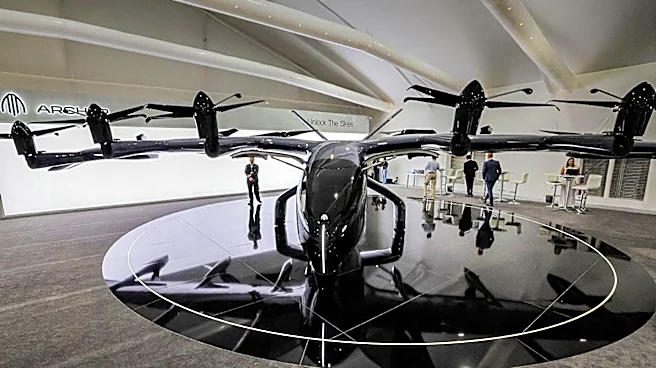
Archer Aviation, along with Beta Technologies and Joby, is approaching the final stages of obtaining Federal Aviation Administration (FAA) safety approval for its electric vertical take-off and landing (eVTOL) vehicles. These companies are part of a pilot
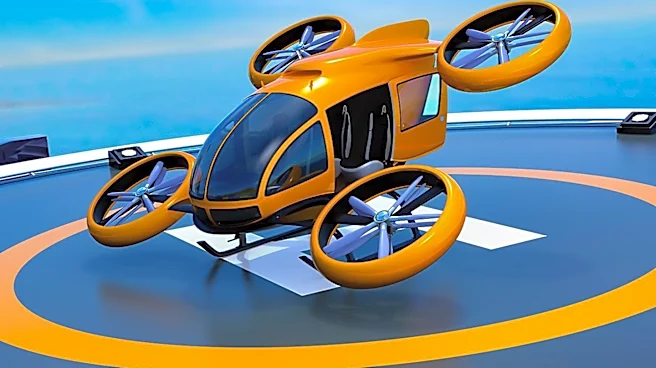
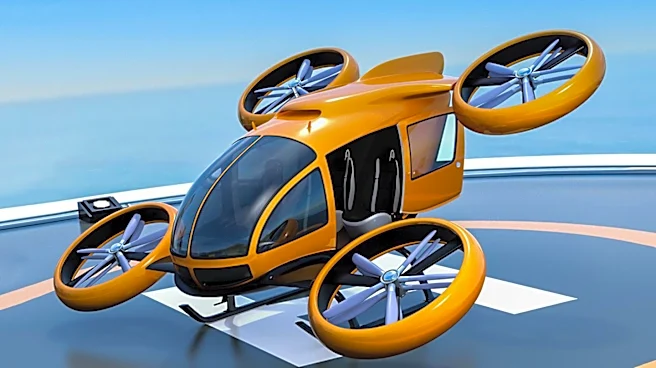
program initiated in 2026, which allows them to test air taxis in controlled environments. Archer has been designated as the official air taxi provider for the 2028 Los Angeles Olympics, where its Midnight eVTOL vehicles will be used to transport VIPs, fans, and stakeholders. The company is also working on integrating its services with vertiport hubs for key venues and providing support for emergency services and security during the event. The eVTOL technology, which allows for vertical take-off and landing without a runway, is seen as a potential solution to urban traffic congestion and pollution.
Why It's Important?
The development of eVTOL technology by companies like Archer Aviation represents a significant shift in urban transportation, potentially alleviating traffic congestion and reducing pollution in major cities. The integration of electric air taxis into public transport systems could transform how people commute, offering faster and more sustainable travel options. The involvement of major events like the 2028 Olympics provides a high-profile platform for demonstrating the viability and benefits of this technology. Successful implementation could lead to widespread adoption, impacting urban planning, infrastructure development, and the aviation industry. The move towards electric air taxis also aligns with broader efforts to decarbonize transportation and improve urban air quality.
What's Next?
As Archer Aviation and its counterparts near FAA approval, the focus will shift to expanding operational capabilities and infrastructure to support eVTOL services. The companies will need to address regulatory challenges, build vertiport networks, and ensure safety standards are met. The 2028 Olympics will serve as a critical test case for the technology, potentially influencing public perception and regulatory frameworks. If successful, the deployment of electric air taxis could expand to other metropolitan areas, with smartphone apps likely facilitating bookings similar to current rideshare services. Continued advancements in battery technology and autonomous flight systems will be crucial for the long-term success and scalability of eVTOL services.
Beyond the Headlines
The introduction of electric air taxis raises questions about the future of urban mobility and the role of technology in reshaping transportation. Ethical considerations around safety, privacy, and accessibility will need to be addressed as the technology becomes more prevalent. The shift towards eVTOLs also highlights the need for new regulatory frameworks and infrastructure investments to support this emerging mode of transport. Additionally, the potential for autonomous flight systems could redefine pilot roles and training requirements, impacting the aviation workforce. As cities adapt to accommodate air taxis, there may be broader implications for urban design and land use planning.