





What's Happening?
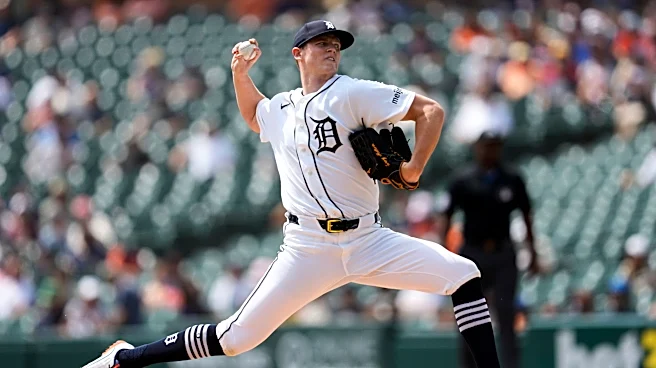
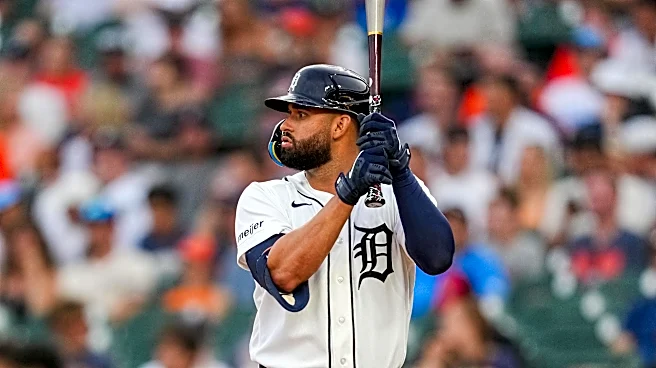
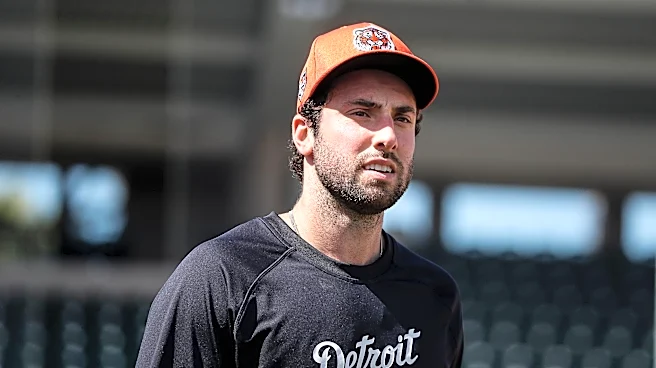
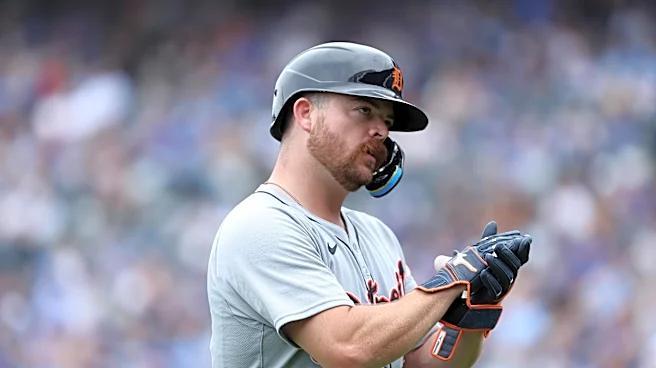
The Detroit Tigers have tendered 2027 contracts to 10 arbitration-eligible players, including prominent offensive players Riley Greene and Spencer Torkelson, ahead of Major League Baseball's non-tender deadline. This decision ensures these players remain
under team control, preventing them from becoming free agents. The list of retained players also includes pitchers Tyler Holton, Beau Brieske, Reese Olson, and Will Vest, along with outfielders Kerry Carpenter, Parker Meadows, Wenceel Pérez, and infielder/outfielder Zach McKinstry. Simultaneously, the Tigers confirmed the departure of three players—left-handed pitcher Jake Miller, infielder Trey Sweeney, and outfielder Matt Vierling—who were previously designated for assignment and are now free to explore opportunities elsewhere. According to president of baseball operations Scott Harris, these moves provide clarity as the organization continues to reshape its roster for the upcoming season. The team's 40-man roster remains full, indicating that any further additions would require corresponding roster adjustments.
Why It's Important?
This series of roster decisions by the Detroit Tigers is significant for the team's immediate future and long-term strategy. By tendering contracts to key players like Riley Greene and Spencer Torkelson, the Tigers signal their intent to build around a core of homegrown talent. Torkelson, in particular, had been the subject of considerable speculation due to his projected arbitration salary and inconsistent performance, making his retention a notable commitment from the organization. These decisions impact the team's financial flexibility, as new salaries for these players will be negotiated through the arbitration process. For the departing players, Jake Miller, Trey Sweeney, and Matt Vierling, this marks an opportunity to seek roles with other MLB teams. The moves reflect the ongoing efforts of president of baseball operations Scott Harris to mold the roster, balancing player development with competitive aspirations in the American League.
What's Next?
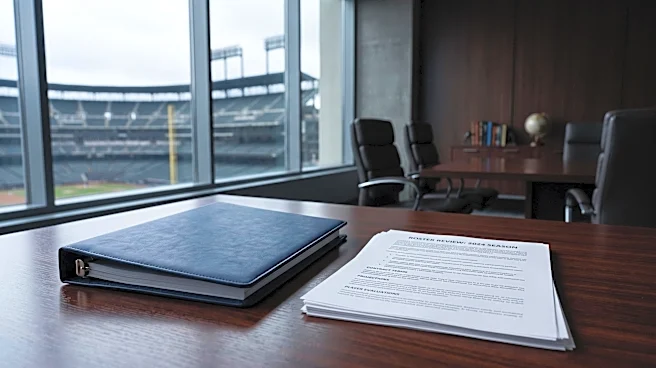
While the tendering of contracts keeps these 10 players under team control, it does not guarantee their presence on the Detroit Tigers' Opening Day roster for the 2027 season. The Tigers will now enter salary negotiations with these arbitration-eligible players, and if agreements cannot be reached, arbitration hearings will follow. The organization also retains the flexibility to explore potential trades involving any of these players or to make additional roster changes throughout the offseason to further strengthen the team. The full 40-man roster means that any new acquisitions requiring a roster spot would necessitate corresponding moves, such as trades or designating other players for assignment. The focus for president of baseball operations Scott Harris will now shift to finalizing player salaries and potentially pursuing external upgrades to complement the retained core.
Beyond the Headlines
The Detroit Tigers' approach to retaining a significant portion of their arbitration-eligible players, especially Spencer Torkelson, highlights a broader organizational philosophy under president of baseball operations Scott Harris. This strategy suggests a commitment to developing and investing in players drafted and cultivated within the system, rather than solely relying on free agency. The decision to retain Torkelson, despite his uneven performance, indicates a belief in his long-term potential and a willingness to absorb a higher salary in the short term. This could set a precedent for how the Tigers manage their young talent moving forward, potentially influencing future contract extensions and trade decisions. The balance between player development, financial prudence, and competitive aspirations will be a continuous challenge for the front office, shaping the team's identity and competitiveness in the coming seasons.