



What's Happening?
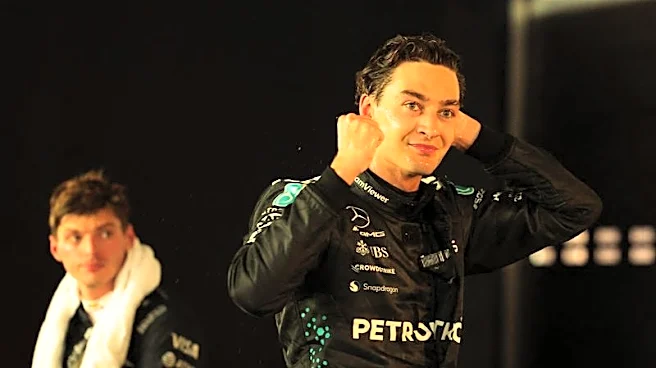
Mercedes demonstrated a strong performance during Friday's Formula 1 practice sessions for the 2026 Qatar Grand Prix, with Kimi Antonelli leading Mercedes team-mate George Russell in both sessions. This included an FP2 session that experienced two red
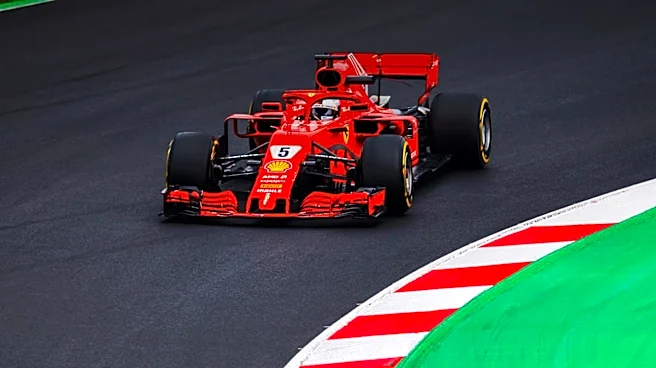
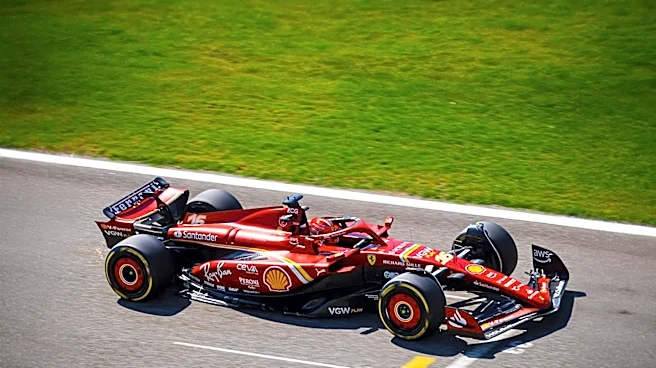
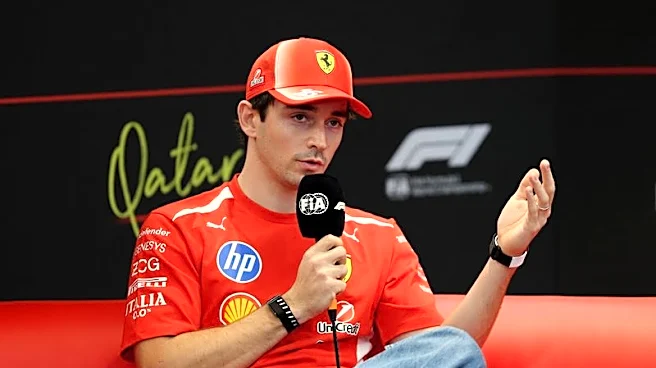
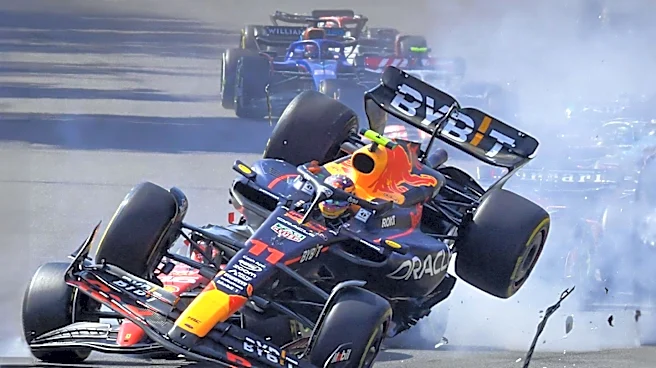
flags. Conversely, Ferrari and Red Bull faced significant challenges. Ferrari drivers finished 7th and 8th, with Charles Leclerc noting the 'very, very poor' pace and difficulties understanding the car's performance. Red Bull, despite recent strong form, saw Max Verstappen express unhappiness with a 'disconnected' car and a heavy steering problem, placing them 5th and 6th. Pirelli's tires also struggled with the Qatar track, showing high wear and localized graining, with some sets reaching 100% wear after just 15 laps, prompting Pirelli to conduct further analysis.
Why It's Important?
The performance disparities observed during the F1 2026 Qatar GP Friday practice sessions have significant implications for the upcoming race and the broader Formula 1 season. Mercedes' dominant start suggests a potential shift in competitive dynamics, which could impact championship standings and team strategies. For Ferrari and Red Bull, their struggles highlight critical engineering and setup challenges that need immediate attention, potentially affecting their performance in qualifying and the race. The severe tire degradation issues reported by Pirelli are particularly important, as they could lead to revised tire strategies, increased pit stops, and a more unpredictable race outcome. This situation also raises concerns about driver safety and the long-term sustainability of tire compounds under extreme track conditions, influencing future tire development and track design considerations.
What's Next?
Following the challenging Friday practice sessions, teams like Ferrari and Red Bull will be working intensively overnight to address their car's performance issues and balance. Pirelli will conduct further analysis on the tire degradation to determine if additional measures, beyond the already imposed 27-lap maximum stint length, are necessary before qualifying and the race. This could include further restrictions or mandatory pit stops to ensure safety. Mercedes, on the other hand, will aim to maintain its strong form into qualifying and the main race. The outcomes of these efforts will significantly influence the grid positions and race strategies for Sunday's Grand Prix, with potential for unexpected results given the tire concerns and varying team performances.
Beyond the Headlines
The F1 2026 Qatar GP practice sessions reveal deeper technical and strategic challenges within Formula 1. The rapid tire degradation underscores the ongoing tension between performance demands and tire durability, a critical aspect of modern F1 racing that impacts both safety and competitive strategy. The struggles of top teams like Ferrari and Red Bull, despite their resources, highlight the fine margins in F1 engineering and the constant pursuit of optimal car setup. This scenario also brings into focus the role of track characteristics in influencing race dynamics, with the Lusail circuit proving particularly demanding. Such events often lead to long-term adjustments in car design, tire manufacturing, and even track modifications to balance excitement with safety and fairness.