





What's Happening?
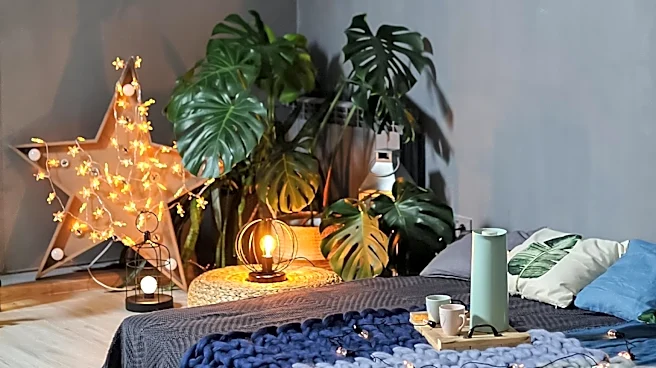
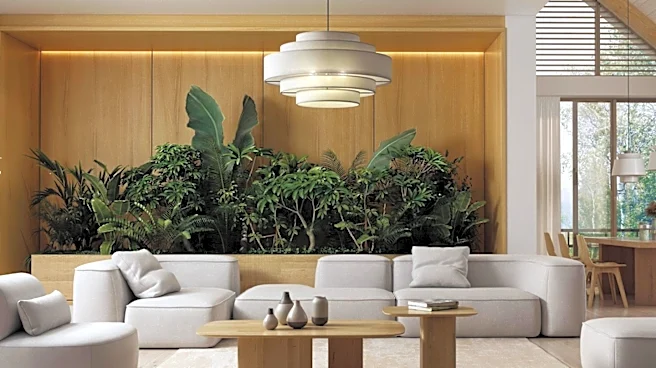
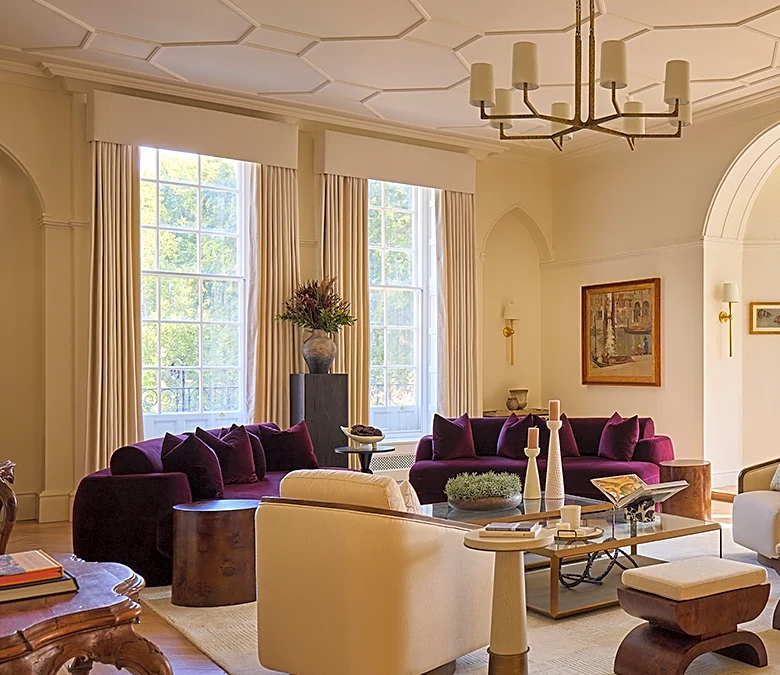
Modern home lighting design is moving beyond single, bright overhead bulbs to embrace a layered approach, combining ambient, task, and accent lighting to create specific moods and improve functionality. Ambient lighting provides general illumination,
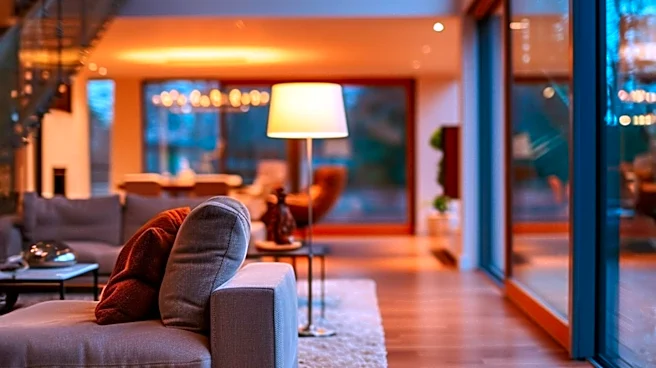
task lighting offers focused light for activities like reading or cooking, and accent lighting highlights specific features such as artwork. This strategy allows for greater flexibility, enabling rooms to transition from bright, functional workspaces during the day to cozy, atmospheric lounges at night. Studies indicate that cool, bright lighting (4000K to 6500K) stimulates alertness, making it suitable for offices and kitchens, while warmer tones (2700K to 3000K) promote relaxation, ideal for bedrooms and living areas. The integration of LED technology further enhances this approach by offering energy efficiency, longer lifespan, and precise control over color temperature and intensity. Interior designers advocate for this 'holy trinity' of lighting to create depth, visual interest, and a more personalized home environment.
Why It's Important?
This shift in lighting philosophy is important for U.S. homeowners and the interior design industry as it redefines how living spaces are perceived and utilized. By moving away from generic, often harsh, single-source lighting, homes can become more adaptable and comfortable, directly impacting residents' well-being and productivity. The emphasis on layered lighting encourages consumers to invest in a variety of fixtures, boosting demand for specialized lighting products and smart home integration solutions. For the real estate market, well-designed lighting can significantly enhance a property's appeal and perceived value. Furthermore, the widespread adoption of energy-efficient LED technology aligns with broader environmental sustainability goals, reducing household energy consumption and utility costs across the nation. This trend also highlights the growing recognition of lighting's psychological impact, influencing mood and circadian rhythms, which has implications for public health and workplace design.
What's Next?
The trend towards layered and mood-centric lighting is expected to continue, with further advancements in smart lighting systems and customizable controls. Consumers can anticipate more integrated solutions that allow for seamless adjustment of brightness, color temperature, and even dynamic lighting effects throughout the day. The market will likely see an increase in innovative LED products, including those designed for specific architectural features or eco-conscious materials, as highlighted by brands like Ankur Lighting. Interior designers will increasingly incorporate these sophisticated lighting plans into their projects, making them a standard expectation in modern home construction and renovation. Additionally, the focus on lighting's impact on well-being may lead to greater adoption of circadian lighting systems in residential and commercial settings, automatically adjusting light to support natural human rhythms. Educational initiatives will also likely emerge to inform homeowners about the benefits and implementation of these advanced lighting strategies.
Beyond the Headlines
Beyond the immediate aesthetic and functional benefits, the evolution of lighting design touches upon deeper cultural and psychological dimensions. The ability to precisely control and customize light within a home reflects a broader societal trend towards personalization and the creation of highly curated personal environments. This approach transforms lighting from a mere utility into an integral element of interior architecture and personal expression, akin to choosing furniture or artwork. Ethically, the emphasis on energy-efficient LEDs contributes to a more sustainable lifestyle, reducing the carbon footprint of residential buildings. Psychologically, the understanding of how different light temperatures and intensities affect mood and biological rhythms underscores a growing awareness of environmental factors on human health and productivity. This could lead to a more holistic approach to home design, where lighting is considered as crucial as air quality or ergonomic furniture in fostering a healthy and comfortable living space.