
What's Happening?
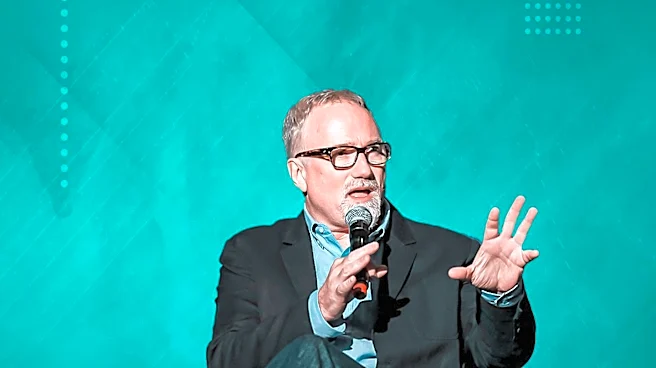
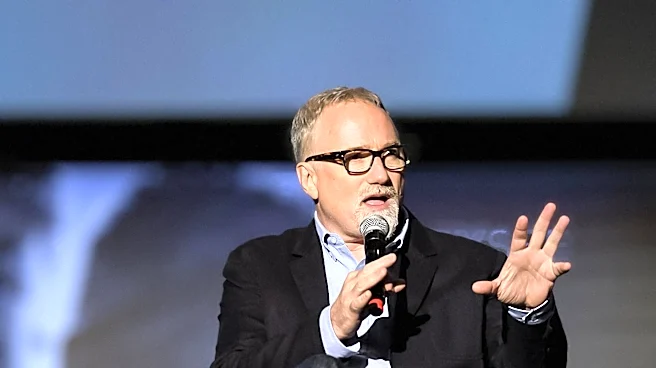
Filmmaker David Fincher recently discussed his initial concept for 'Alien 3' during an appearance on the Happy Sad Confused podcast. Fincher, known for acclaimed films like 'The Social Network' and 'Fight
Club,' made his feature-film debut with 'Alien 3,' a project he has often distanced himself from due to studio interference. His original pitch for the third installment of the Sigourney Weaver-starring series aimed to set the story in a prison colony where the audience would not feel sympathy for the characters battling the xenomorph. Fincher wanted to explore a scenario where the incarcerated individuals, facing certain death, would collectively decide to take the alien creature with them. While the theatrical release of 'Alien 3' did feature a prison colony setting, Fincher noted that the characters were portrayed with more sympathy than he had intended. He reflected on the evolution of Sigourney Weaver's character, Ripley, from the first two films, highlighting her assertive nature and maternal instincts.
Why It's Important?
This recollection from David Fincher offers significant insight into the creative process behind a major Hollywood franchise film and the challenges directors face with studio involvement. 'Alien 3' is often considered a disappointment compared to its predecessors, 'Alien' and 'Aliens,' which are regarded as masterpieces in their respective genres. Fincher's account underscores how studio interference can alter a director's vision, potentially impacting the critical and commercial reception of a film. For fans of the 'Alien' series and film enthusiasts, understanding the original intent behind 'Alien 3' provides a different perspective on the movie's narrative and character development. It also highlights the ongoing tension between artistic integrity and commercial pressures within the film industry, a dynamic that continues to shape cinematic output and influence the careers of filmmakers.
What's Next?
While 'Alien 3' was released decades ago, Fincher's comments could reignite discussions among fans and critics about the film's legacy and the potential impact of his unfulfilled vision. The existence of an 'Assembly Cut' of 'Alien 3,' released in 2003, which reportedly aligns more closely with Fincher's original plans, suggests a continued interest in alternative versions of the film. This renewed attention might encourage further analysis of the 'Assembly Cut' and its differences from the theatrical release. For Fincher, who went on to achieve significant success with subsequent films, this reflection serves as a historical footnote in his distinguished career, reminding audiences of his early struggles and his eventual triumph over creative constraints. The 'Alien' franchise itself has continued with various sequels and prequels, and Fincher's insights contribute to the broader understanding of its complex cinematic history.
Beyond the Headlines
Fincher's experience with 'Alien 3' touches upon broader themes of creative control and artistic compromise in large-scale film productions. His desire to portray unsympathetic characters in a high-stakes sci-fi horror setting challenges conventional storytelling, which often relies on audience empathy. This approach, if fully realized, could have offered a darker, more nihilistic tone to the 'Alien' universe, potentially redefining audience expectations for the franchise. The conflict between a director's artistic vision and studio demands is a recurring issue in Hollywood, often leading to films that deviate significantly from their initial concepts. Fincher's ability to overcome this early setback and achieve critical acclaim with subsequent projects demonstrates resilience and a strong artistic identity. His story serves as a case study for aspiring filmmakers on navigating the complexities of the industry while striving to maintain creative integrity.