
What's Happening?
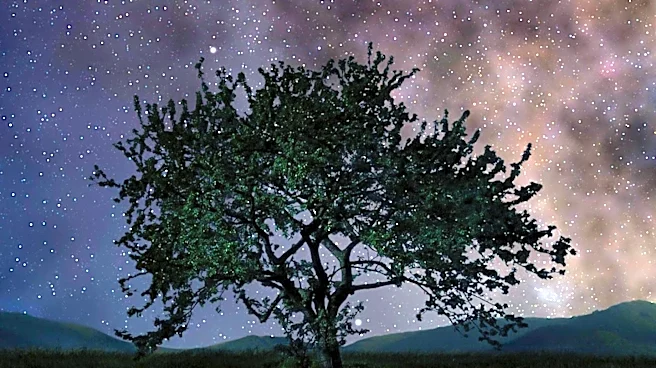
The Summer Triangle, a prominent asterism in the northern hemisphere's night sky, is being highlighted as a key feature for stargazers during late July. The triangle, formed by the stars Vega, Deneb, and
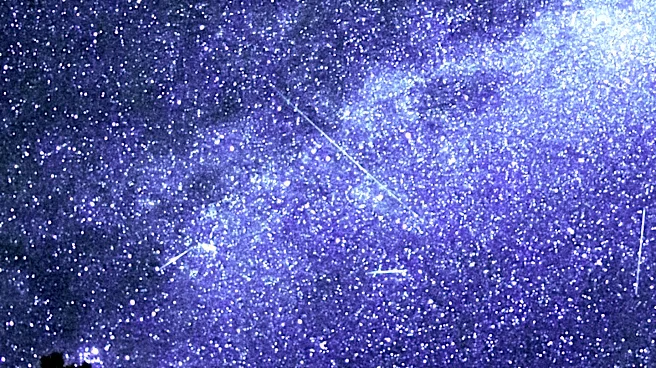
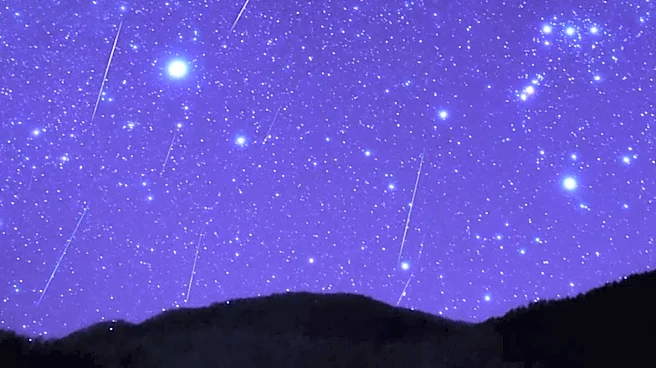
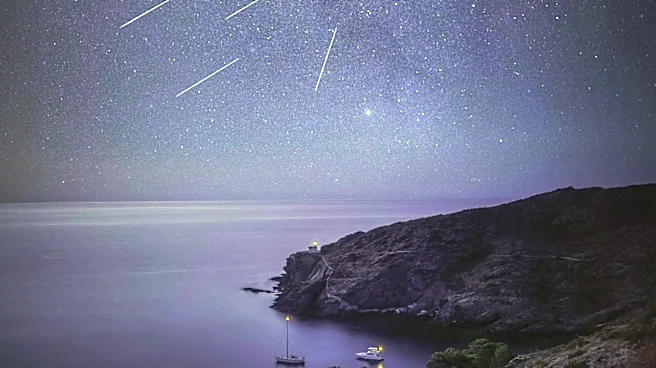
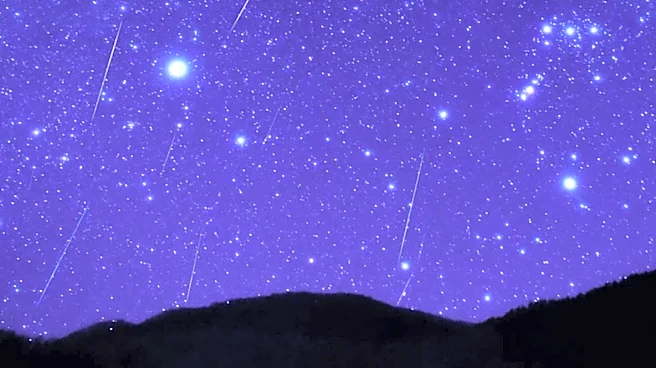
Altair, serves as a navigational anchor for identifying other celestial features. This period also coincides with the gradual strengthening of the Perseid meteor shower, with early meteors visible after midnight. Additionally, the Southern Delta Aquariids and Alpha Capricornids meteor showers are peaking around July 30-31, although visibility may be reduced due to the full moon. The Summer Triangle is particularly useful for amateur astronomers as it helps in locating the Milky Way and other constellations, enhancing the stargazing experience.
Why It's Important?
The Summer Triangle's prominence in the night sky provides an accessible entry point for both amateur and seasoned astronomers to explore the cosmos. Its visibility during a time of active meteor showers offers a unique opportunity for educational and recreational stargazing. The Perseid meteor shower, known for its bright meteors, is a popular event that draws public interest and engagement in astronomy. The Summer Triangle's role in guiding observers to other celestial phenomena underscores its importance in fostering a deeper appreciation and understanding of the night sky. This period of increased astronomical activity can inspire interest in science and technology, potentially influencing educational pursuits and public interest in space exploration.
What's Next?
As the meteor showers continue to peak, stargazers are encouraged to take advantage of clear skies to observe these celestial events. The full moon may hinder visibility of fainter meteors, but the brighter ones should still be visible. Astronomy clubs and observatories may host events to educate the public and provide guided stargazing sessions. The Summer Triangle will remain a prominent feature in the sky through October, offering continued opportunities for observation and learning. This period may also see increased sales of telescopes and binoculars as interest in astronomy grows.