



What's Happening?
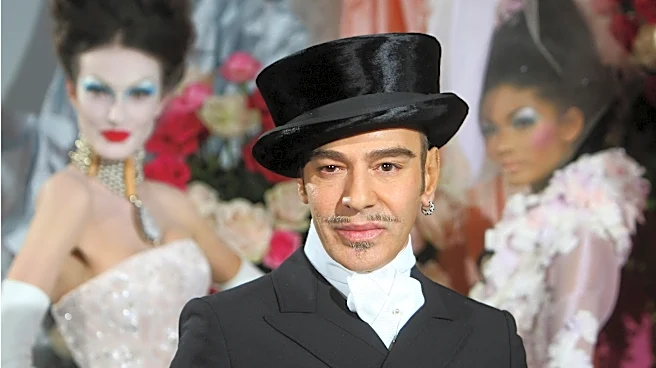
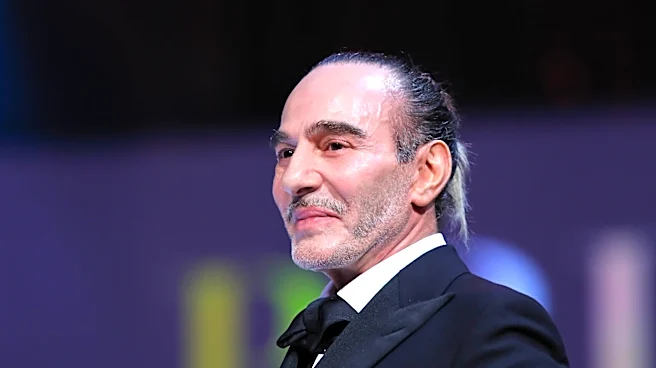
Executives at the Metropolitan Museum of Art, including CEO Max Hollein and board co-chair Tony James, admitted to wealthy donors that selecting John Galliano for an honor at the 2027 Met Gala and a special exhibit was a 'mistake.' This admission came
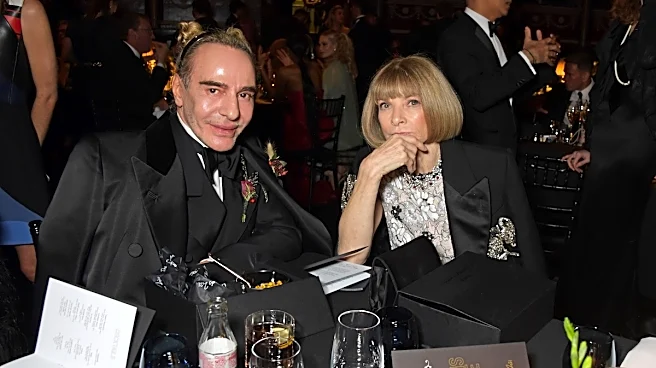
during a Zoom meeting following significant backlash, particularly from Jewish donors and New York City Council Speaker Julie Menin, due to Galliano's past antisemitic remarks, including his public declaration, 'I love Hitler.' Galliano subsequently withdrew from the honor. Despite acknowledging the flawed selection process, Met leadership and some trustees remained complimentary of Vogue editrix Anna Wintour, who has consistently supported Galliano and called his withdrawal 'courageous.' Donors expressed concerns not only about the antisemitism but also about governance issues, suggesting that the selection process lacked proper curatorial oversight and was unduly influenced.
Why It's Important?
This incident highlights significant tensions between cultural institutions, their donors, and public accountability, especially concerning figures with controversial pasts. The Met's admission of error underscores the increasing pressure on institutions to align their honorees with broader societal values and to be sensitive to issues like antisemitism. The controversy also brings to light potential governance weaknesses within major cultural organizations, where the influence of powerful individuals or donors might override established curatorial processes. For the U.S. art and fashion industries, this event serves as a cautionary tale about the importance of thorough vetting and inclusive decision-making, demonstrating that public and donor sentiment can significantly impact institutional choices and reputations.
What's Next?
With John Galliano's withdrawal, the Met Museum will need to decide on a replacement theme and honoree for the 2027 Met Gala and its accompanying exhibit. This process will likely involve heightened scrutiny and a more inclusive approach to avoid similar controversies. The discussions among trustees and donors about the Met's values and governance issues suggest that internal reforms or clearer guidelines for selecting honorees might be implemented. The incident could also prompt other cultural institutions to review their own selection processes for awards and exhibitions, particularly when dealing with individuals who have faced public condemnation for their past actions, ensuring greater sensitivity to diverse community concerns.
Beyond the Headlines
The controversy surrounding John Galliano's selection at the Met Museum delves into deeper ethical and cultural dimensions, particularly the concept of redemption versus accountability for past transgressions. While Galliano has expressed remorse and undergone rehabilitation, the incident reveals that for many, especially within the Jewish community, his past antisemitic statements remain unforgivable and cannot be overlooked for artistic merit. This raises questions about the role of cultural institutions in facilitating 'comebacks' for controversial figures and the extent to which artistic talent should be separated from personal conduct. The continued support for Galliano by influential figures like Anna Wintour also highlights the power dynamics within the fashion industry and the challenges of holding powerful individuals accountable, even in the face of widespread public and donor disapproval. This event contributes to an ongoing national dialogue about cancel culture, forgiveness, and the moral responsibilities of public figures and institutions.