


What's Happening?
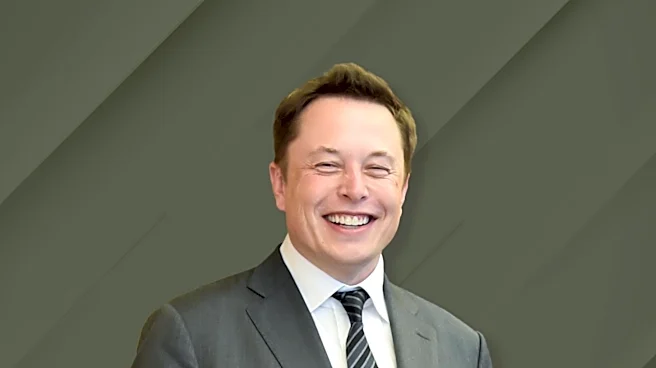
Elon Musk holds the top position as the world's richest person with an estimated fortune of $888 billion, according to figures from the Bloomberg Billionaires Index as of September 1, 2026. His wealth significantly surpasses that of the second-richest
individual, Larry Page, by nearly $600 billion. The top 10 richest people collectively hold nearly $2.9 trillion, with nine out of ten fortunes rooted in technology companies such as Google, Amazon, Dell, Meta, Oracle, Nvidia, and Microsoft. Bernard Arnault, chairman and CEO of luxury conglomerate LVMH, is the only non-tech individual in the top 10.
Why It's Important?
This concentration of wealth, particularly within the technology sector, highlights the profound economic shifts occurring globally. The dominance of tech fortunes signifies the immense value creation and market capitalization driven by innovation in digital services, software, and advanced technologies. This trend has significant implications for economic policy, wealth distribution, and the influence of tech leaders on various sectors. The substantial gap between Musk and other billionaires also underscores the unprecedented scale of wealth accumulation possible in the current economic landscape, raising questions about economic inequality and the future of global capitalism.
What's Next?
Billionaire fortunes are subject to significant fluctuations due to their ties to publicly traded companies, meaning these rankings can change rapidly. The continued growth and innovation within the technology sector suggest that tech leaders are likely to maintain their prominent positions in wealth rankings. Future developments in areas like artificial intelligence, space exploration, and sustainable energy, where many of these billionaires have significant investments, could further consolidate or shift their financial standings. Discussions around wealth taxation and economic regulation may intensify as these wealth disparities become more pronounced.
Beyond the Headlines
The overwhelming presence of technology fortunes in the top echelons of global wealth marks a significant departure from historical patterns where industries like oil, manufacturing, and finance dominated. This shift reflects the digital transformation of the global economy and the increasing reliance on technological infrastructure and services. It also raises broader societal questions about the sources of wealth, the impact of technological disruption on traditional industries, and the role of innovation in shaping economic power. The concentration of such vast resources in the hands of a few tech magnates could influence future technological advancements, philanthropic endeavors, and even geopolitical dynamics.