




What's Happening?
Ping Identity is championing a new paradigm in human authentication called 'verified trust,' which it considers the next evolutionary stage beyond implicit and adaptive trust. This concept, a central theme at the recent Ping YOUniverse conference, integrates
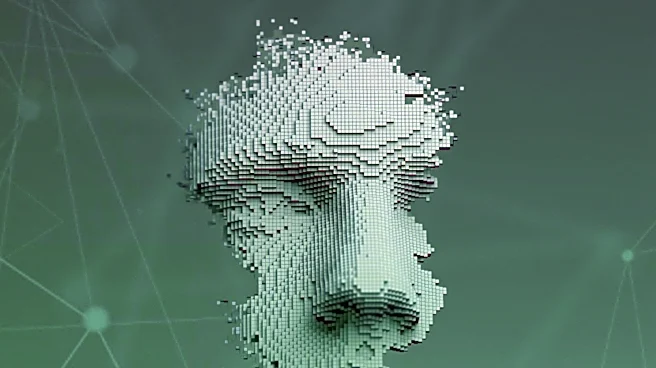
fraud detection, access management, and identity verification to ensure continuous validation of the human user throughout their digital journey. A key component of this approach is PingOne Recognize, which utilizes 'zero-knowledge biometrics' developed by Keyless.io, a company Ping acquired. This technology enables facial recognition without storing actual images of users' faces. Instead, facial images are converted into encrypted numerical representations stored locally on devices, with only encryption keys shared with Ping's servers. This method aims to enhance security and privacy by preventing adversaries from accessing decryptable facial data even if servers are compromised.
Why It's Important?
Ping Identity's 'verified trust' framework and zero-knowledge biometrics address critical vulnerabilities in current authentication systems, particularly concerning remote work, account recovery, and third-party access. The traditional reliance on passwords and basic multi-factor authentication is increasingly insufficient against sophisticated cyber threats like social engineering and identity theft. By not storing facial images, PingOne Recognize significantly mitigates privacy risks and the potential for large-scale biometric data breaches, a major concern for individuals and organizations. This approach could set a new industry standard for secure and private authentication, influencing how businesses protect sensitive data and verify identities in an increasingly interconnected and remote-first world. It also has implications for regulatory compliance, as it offers a solution that balances robust security with stringent privacy requirements.
What's Next?
Ping Identity plans to further integrate 'verified trust' and zero-knowledge biometrics into its offerings, with a focus on expanding passwordless login solutions. The company is trialing device-bound passkeys and will soon roll out PingID Desktop Passwordless for browsers, aiming to eliminate passwords entirely for corporate users. This shift will likely drive broader adoption of advanced biometric and context-aware authentication methods across enterprises. Other identity and access management (IAM) providers may follow suit, developing similar privacy-enhancing biometric technologies. The success of these initiatives could accelerate the transition to a passwordless future, fundamentally changing how individuals and organizations interact with digital services and secure their assets.
Beyond the Headlines
The move towards 'verified trust' and zero-knowledge biometrics represents a profound philosophical shift in digital security, moving from simply verifying credentials to continuously validating the human behind the interaction. This approach acknowledges that identity is dynamic and context-dependent, requiring ongoing assessment rather than a one-time check. Ethically, it addresses the tension between security and privacy by offering a method that enhances protection without compromising sensitive personal data. Culturally, it could foster greater trust in digital systems, as users become more confident that their biometric information is not being stored or exploited. This evolution in authentication could also pave the way for more seamless and intuitive user experiences, where security is an invisible layer rather than a cumbersome barrier, ultimately reshaping our relationship with technology and digital identity.